Have you ever wondered how top chefs achieve that perfectly cooked steak, tender and juicy from edge to edge, every single time? The secret often lies in the sous vide method, a revolutionary cooking technique that promises consistency, exquisite flavor, and unparalleled texture. From its origins in professional kitchens to its growing popularity in homes worldwide, sous vide has transformed how we approach cooking, offering a level of control and precision that traditional methods simply can’t match. This comprehensive guide will explore everything you need to know about the sous vide method, helping you master this exciting culinary art and elevate your home cooking to restaurant-quality standards.
What is Sous Vide?
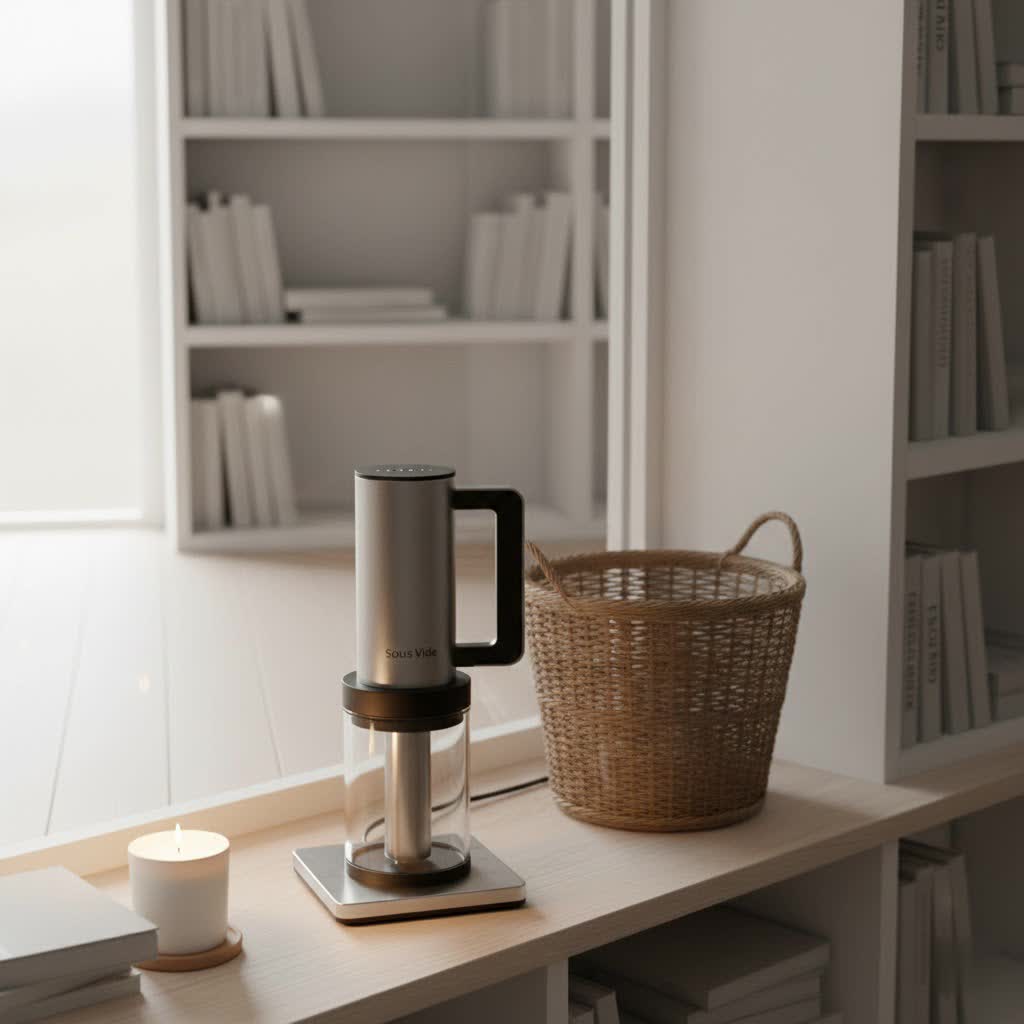
Sous vide, a French term meaning “under vacuum,” is a cooking technique where food is vacuum-sealed in an airtight bag and then cooked in a precisely controlled, low-temperature water bath. This method relies on exact temperature rather than timing, ensuring that food cooks evenly throughout and never exceeds the desired internal temperature.
The history of sous vide can be traced back to the mid-1970s when French chefs Bruno Goussault and Georges Pralus independently pioneered its use. Pralus initially developed it for cooking foie gras, discovering that it prevented significant shrinkage and preserved the food’s original appearance and texture. Goussault, meanwhile, focused on its application for various proteins, establishing precise temperature guidelines that are still influential today. While once exclusive to high-end restaurants, the availability of affordable immersion circulators has made this sophisticated method accessible to home cooks, allowing everyone to achieve professional-grade results.
The primary advantage of sous vide cooking is its absolute precision. Unlike traditional methods where food is exposed to much higher temperatures and relies on careful timing to avoid overcooking, sous vide cooks food to the exact temperature of the water bath. This means your steak will be perfectly medium-rare from crust to core, your chicken breast will be juicy and tender, and your vegetables will retain their vibrant color and crisp-tender texture. The sealed bag also ensures that food cooks in its own juices, enhancing natural flavors and retaining moisture that might otherwise be lost.
Benefits of Cooking with the Sous Vide Method
Cooking with the sous vide method offers a multitude of benefits that elevate the culinary experience, providing advantages that are difficult to achieve with conventional cooking techniques.
Ensures Perfect and Consistent Doneness
|
Our Picks for the Best Sous Vide in 2026
As an Amazon Associate I earn from qualifying purchases.
|
||
| Num | Product | Action |
|---|---|---|
| 1 | Sous Vide Machine,1300 Watts, Immersion Circulators, Sous Vide Precision Cooker, Steak Cooker, Temperature and Time Digital Display Control, Ultra-Quiet,Fast-Heating,Easy to store,IPX7 Waterproof |

|
| 2 | Anova Culinary Sous Vide Precision Cooker 3.0 (WiFi), 1100 Watts |
|
| 3 | Sous Vide Machines, Sous Vide Cooker, 1000 Watts Immersion Circulators with Recipe, Accurate Temperature and Time Control |
|
| 4 | Sous Vide, Wancle Sous Vide Cooker 1100W IPX7 Waterproof Thermal Immersion Circulator With Reservation Function, Easy to store |
|
| 5 | Anova Culinary Sous Vide Precision Cooker Pro, 1200 Watts, Black and Silver |
|
| 6 | Anova Culinary Sous Vide Precision Cooker Nano 2.0 |
|
| 7 | INKBIRD WIFI Sous Vide Cooker ISV-100W, 1000 Watts Sous Vide Machine Immersion Circulator with 14 Preset Recipes on APP & Calibration Function, Thermal Immersion, Fast-Heating with Timer |
|
| 8 | Anova Culinary Sous Vide Precision Cooker Mini, 850 Watts, Black and Orange, App Enabled, 2024 Model |
|
| 9 | Greater Goods Digital Food Scale for Kitchen & Baking, 10kg/22lb High-Capacity Weight Scale with 1g Precision, Stainless Steel Platform, Hi-Def LCD, Ideal for Bread, Sourdough & Bulk Cooking |
|
| 10 | Greater Goods Kitchen Sous Vide Machine - Precision Cooker, Immersion Circulator, Brushless Motor, 1100 Watts (Onyx Black) |
|
One of the most compelling reasons to embrace sous vide is its ability to deliver perfect and consistent doneness every single time. By cooking food to a precise temperature in a water bath, you eliminate the guesswork often associated with traditional methods. The immersion circulator maintains the water at an exact degree, meaning your food will never cook beyond that set temperature. This precise control results in edge-to-edge perfection, eliminating dry edges or undercooked centers, whether you’re preparing a delicate fish fillet or a thick cut of steak.
Retains Maximum Flavor and Nutrients
Food cooked sous vide retains its natural flavors and essential nutrients to an exceptional degree. Because ingredients are sealed in a vacuum bag, they cook in their own juices, intensifying and concentrating their inherent taste profiles. This containment also prevents the loss of volatile aromas and water-soluble vitamins that can escape or degrade in open-air cooking or boiling. For vegetables, this means retaining vibrant colors, crisp textures, and more of their healthful compounds, making them “beetier” or “carrotier” than ever before.
Saves Time and Effort
While sous vide often involves longer cooking times, it significantly saves active prep and monitoring time, making it a “set it and forget it” method. Once the food is seasoned, sealed, and placed in the water bath, the immersion circulator handles the rest. This frees you to focus on other tasks, prepare side dishes, or simply relax. Moreover, sous vide allows for advanced meal preparation; cooked food can be chilled and stored for later, then quickly seared or reheated when ready to serve, streamlining weeknight dinners and entertaining.
Expands Culinary Creativity
The precision and consistency of sous vide cooking open up a world of culinary possibilities, empowering cooks to experiment with new recipes and achieve results previously thought unattainable at home. It allows for perfectly cooked delicate items like eggs with precise yolk consistencies, tender seafood, or even infused oils and custards. The ability to cook foods exactly as desired provides a reliable foundation for further culinary experimentation, encouraging chefs and home cooks alike to explore new textures, flavor combinations, and presentations with confidence.
Essential Equipment for Sous Vide
To embark on your sous vide journey, you’ll need a few key pieces of equipment. While some specialized items are available, many can be adapted from common kitchen tools.
Immersion Circulator (Sous Vide Machine)
The heart of any sous vide setup is the immersion circulator, often simply called a “sous vide machine.” This device heats water to a precise temperature and circulates it to ensure an even temperature throughout the bath. When selecting one, consider factors like power (for faster heating), connectivity (Wi-Fi/Bluetooth for app control), quietness, and clamping mechanism. Popular brands include Anova, Breville, and Instant Pot, offering various models to suit different needs and budgets.
Water Bath or Container
You’ll need a vessel to hold the water and your food. Any large pot you already own can work, provided it’s deep enough for the immersion circulator and to fully submerge your food. For more dedicated sous vide cooking, specialized plastic containers or insulated water baths offer benefits like better heat retention, larger capacity, and custom lids to minimize evaporation. Consider the size based on how much food you typically cook.
Vacuum Sealing Bags and Vacuum Sealer
Airtight bags are crucial for sous vide cooking. While a dedicated vacuum sealer and specialized vacuum bags offer the best seal and air removal, they aren’t strictly necessary for beginners. Many home cooks successfully use heavy-duty, food-grade freezer bags with the “water displacement method.” This involves submerging the bag (with food inside) into the water bath, allowing the water pressure to push out most of the air before sealing the zipper top. For batch cooking or longer cooks, a vacuum sealer provides superior results and prevents bags from floating.
Supporting Accessories
Several accessories can enhance your sous vide experience. A good set of racks or weights can help keep food bags fully submerged, preventing uneven cooking. Thermal covers or insulated balls (like ping-pong balls) placed on top of the water bath can significantly reduce heat loss and evaporation during long cooks, saving energy and maintaining water levels. Tongs are also helpful for safely placing and retrieving bags from the hot water.
Getting Started with Sous Vide: A Beginner’s Guide
Diving into sous vide cooking is simpler than you might think. Follow these basic steps to prepare your first perfectly cooked meal.
1. Prepare Your Food
Begin by seasoning your chosen food. For meats, this usually involves salt, pepper, and perhaps some herbs or garlic directly in the bag. For vegetables, a little oil, salt, and pepper work well. You can marinate food beforehand, as the sealed environment helps flavors penetrate deeply during cooking.
2. Set Up Your Equipment
Place your immersion circulator into a large pot or dedicated water bath. Fill the container with water, ensuring it’s above the minimum fill line of your circulator and deep enough to fully submerge your food. Plug in the circulator and set it to your desired temperature and cooking time based on your recipe. The device will then heat the water to the precise temperature.
3. Vacuum Seal and Submerge
Once your food is seasoned, place it into a food-grade, heat-safe bag. If using a vacuum sealer, remove all the air and seal the bag. If using a zipper-top bag, employ the water displacement method: slowly lower the bag into the water bath, letting the water pressure force the air out, then seal the bag just above the waterline. Ensure the food is completely submerged in the preheated water bath.
4. Monitor and Cook
Allow the food to cook for the recommended time. One of the greatest advantages of sous vide is that precise timing is less critical than with traditional methods; once food reaches its target temperature, it won’t overcook, offering flexibility. While cooking, monitor the water level and temperature, adding hot water if necessary to compensate for evaporation on longer cooks.
5. Finish Your Dish
After the sous vide bath, your food will be perfectly cooked internally but may lack a browned, appealing exterior. This is where finishing comes in. For meats, a quick sear in a hot skillet with a little oil, a blast under the broiler, or a brief grill session will create a delicious Maillard crust. For fish, a quick pan-sear is often ideal. Vegetables might benefit from a quick sauté or roasting to add texture and color. Serve immediately and enjoy the perfectly consistent results.
Comparing Popular Sous Vide Machines
Choosing the right sous vide machine can be daunting with the array of options available. Here’s a brief comparison to help guide your decision based on common features and considerations.
| Feature | Anova Precision Cooker (e.g., Nano/Pro) | Breville Joule | Instant Pot Accu Slim |
|---|---|---|---|
| Price Range | Mid to High | Mid to High | Entry to Mid |
| Power | Varies by model (750W – 1200W) | High (1100W) | Standard (750W – 800W) |
| Connectivity | Bluetooth & Wi-Fi | Wi-Fi (App-only) | Bluetooth (some models) |
| Size/Design | Cylindrical, clamps on, screen display | Compact, sleek, magnetic base | Cylindrical, clamps on, screen display |
| Key Features | Extensive recipe app, robust build | Smallest form factor, powerful, fast heating | Affordable, reliable, easy to use |
| Pros | User-friendly, good community support, durable | Fastest heating, quietest, small footprint | Great value, simple interface |
| Cons | Can be bulkier than Joule | App-reliant, no on-device controls | Less powerful than premium models, slower heating |
This table provides a snapshot, but deeper research into specific models is always recommended to match features with individual cooking habits and kitchen setups.
Tips and Tricks for Sous Vide Success
Mastering the sous vide method involves more than just setting a temperature; a few expert tips can elevate your results and simplify your cooking process.
Choosing the Right Temperature and Time
The key to sous vide is understanding that temperature dictates doneness, while time determines texture (especially for tougher cuts or pasteurization). For example, a medium-rare steak is typically 130-134°F (54-57°C) for 1-4 hours, depending on thickness. Chicken breasts are often cooked at 140-145°F (60-63°C) for 1-2 hours for juicy results. Always consult reliable sous vide charts for specific food types and desired textures, as these are critical for safety and quality.
Handling Common Sous Vide Issues
- Floating Bags: If your bag floats, it likely contains too much air. Re-seal using the water displacement method or add a heavy utensil (like a spoon or knife) inside the bag to weigh it down before sealing. Sous vide racks or heavy clips can also keep bags submerged.
- Water Evaporation: For long cooks (over 4 hours), water can evaporate. Cover your container with plastic wrap, foil, or a lid to prevent this. Thermal balls are also effective at reducing heat loss and evaporation.
- Uneven Sear: Ensure your pan is screaming hot and pat your food very dry after the water bath to achieve a good crust quickly without overcooking the interior.
Equipment Maintenance and Storage
Proper care extends the life of your sous vide machine. After each use, rinse the immersion circulator and wipe it clean. Periodically, you may need to descale it by running it in a water bath with vinegar to remove mineral buildup. Store your machine in a dry place, away from excessive heat or humidity. Keeping your vacuum sealer clean and ensuring bags are sealed correctly prevents food waste and maintains hygiene.
Simple and Delicious Sous Vide Recipes
Explore the versatility of sous vide with these approachable yet impressive dishes:
- Perfect Steak: Ribeye, sirloin, or filet mignon at 130°F (54°C) for medium-rare, finished with a hard sear.
- Juicy Chicken Breast: 140°F (60°C) for 1.5 hours, then pan-sear for crispy skin.
- Flaky Salmon: 125°F (52°C) for 45 minutes, finished with a quick sear or broil.
- 63-Degree Egg: 145°F (63°C) for 45-60 minutes for a perfect soft-poached consistency.
- Vibrant Vegetables: Carrots at 183°F (84°C) for 1 hour, tossed with butter and herbs.
Buying Guide: Choosing Your Sous Vide Setup
Investing in sous vide equipment can seem like a big decision, but considering a few key factors will help you make the best choice for your kitchen.
1. Determine Your Usage Needs
Consider how often you’ll use sous vide and for what purpose. Are you an occasional home cook looking to try something new, or do you plan to batch cook and prepare elaborate meals frequently? This will influence the power and features you need. For instance, a casual user might be fine with a basic model, while an enthusiast may prefer a more powerful circulator with advanced connectivity.
2. Research Essential Features
Look for an immersion circulator with reliable temperature accuracy, a strong clamp, and a user-friendly interface (either on-device or via an app). Power matters for heating larger water baths or cooking denser foods. For vacuum sealers, consider seal strength, ease of cleaning, and available bag sizes. Think about whether Wi-Fi/Bluetooth connectivity is important for remote monitoring and recipe access.
3. Compare Prices and Brands
Sous vide machines range widely in price. Entry-level models offer great value, while premium options provide more power, quieter operation, and additional smart features. Read reviews from trusted sources and fellow users to gauge reliability and customer satisfaction for brands like Anova, Breville, and Inkbird.
4. Read User Reviews
User reviews offer invaluable insights into real-world performance. Pay attention to comments regarding temperature stability, ease of use, durability, noise levels, and customer support. Look for common praises or complaints that might sway your decision.
5. Purchase from Reputable Retailers
Buy your sous vide equipment from established retailers or directly from the manufacturer to ensure you receive genuine products, warranty coverage, and reliable after-sales support. This provides peace of mind for your investment.
Delicious Dishes to Create with Sous Vide
The versatility of the sous vide method allows for an impressive array of dishes, transforming everyday ingredients into culinary masterpieces.
Sous Vide Beef
Imagine a steak cooked to absolute perfection, tender and juicy from edge to edge without any grey bands. That’s the promise of sous vide beef. Whether it’s a thick-cut ribeye, a delicate filet mignon, or a hearty chuck roast, sous vide ensures uniform doneness and incredible tenderness, especially when finished with a hot sear for that irresistible crust.
Sous Vide Chicken
Gone are the days of dry, bland chicken breasts. Sous vide chicken emerges incredibly moist, tender, and flavorful. Even chicken thighs, often prone to uneven cooking, achieve a consistent texture and succulence. This method is particularly excellent for meal prepping, allowing you to cook a batch of perfectly tender chicken to be used in salads, sandwiches, or main courses throughout the week.
Sous Vide Salmon
Cooking delicate fish like salmon can be tricky, but sous vide offers a foolproof way to achieve perfectly flaky, moist results. The gentle, precise heat prevents overcooking, preserving the salmon’s rich flavor and delicate texture. A quick pan-sear on the skin side after the bath adds a delightful crispy finish.
Sous Vide Eggs
Sous vide eggs are a revelation, allowing for precise control over yolk and white consistency. From a jammy yolk perfect for toast to a firm but creamy consistency ideal for egg salad, the exact temperature control opens up new possibilities for this breakfast staple. A popular choice is the “63-degree egg” (145°F / 63°C), yielding a custardy white and runny yolk, similar to a perfectly poached egg.
Sous Vide Vegetables
Even vegetables benefit from the sous vide treatment. Root vegetables like carrots, potatoes, and beets become incredibly tender yet retain a slight bite, while their natural sweetness and vibrant colors are intensified. The sealed environment ensures that nutrients and flavors don’t leach into cooking water, resulting in more flavorful and healthier sides.
Conclusion
The sous vide method is more than just a cooking trend; it’s a precise, versatile, and rewarding technique that empowers home cooks to achieve consistently exceptional results. By controlling the exact temperature of your cooking environment, sous vide eliminates the guesswork, prevents overcooking, and locks in flavors and moisture that traditional methods often lose. From tender steaks and juicy chicken to perfectly cooked eggs and vibrant vegetables, the possibilities are endless. Embracing sous vide will undoubtedly transform your kitchen, bringing a new level of confidence and creativity to your culinary endeavors. Are you ready to dive into the world of precision cooking and discover your next favorite dish?
Frequently Asked Questions
What does “sous vide” mean and how is it pronounced?
“Sous vide” is a French term that translates to “under vacuum.” It is pronounced as “soo-veed.” The name refers to the practice of vacuum-sealing food in a bag before cooking it in a precisely controlled water bath.
Is sous vide cooking safe?
Yes, sous vide cooking is very safe when proper temperatures and times are followed. The precise temperature control ensures food reaches a safe internal temperature without overcooking. For pasteurization, specific time and temperature combinations are crucial, especially for poultry and eggs.
Do I need a vacuum sealer for sous vide?
While a vacuum sealer provides the best airtight seal, it’s not strictly necessary for beginners. You can use heavy-duty zipper-top freezer bags and the “water displacement method” to remove most of the air, which is effective for many sous vide applications.
What are the main benefits of cooking with sous vide?
The primary benefits include incredibly consistent results with perfect doneness from edge to edge, enhanced flavor and moisture retention as food cooks in its own juices, and a “set it and forget it” convenience that frees up your time. It also excels at making tough cuts tender.
Can I cook frozen food with sous vide?
Yes, you can cook frozen food directly using the sous vide method. Simply add extra cooking time to allow the food to thaw and come up to temperature in the water bath. Generally, you should add about 50% more time than if cooking from fresh.
How do I get a good sear after sous vide?
To achieve a good sear, it’s crucial to pat the cooked food very dry after removing it from the sous vide bath. Then, use a very hot skillet (cast iron works well) with a high-smoke-point oil, or a grill, for a quick sear (1-2 minutes per side) to create a delicious crust without overcooking the interior.
