Embarking on the journey of meat sous vide transforms your kitchen into a haven of culinary precision. Have you ever dreamed of consistently achieving that perfectly cooked steak, a succulent chicken breast, or pork tenderloin that melts in your mouth, every single time? This revolutionary cooking method, once the secret of high-end restaurants, is now accessible to home cooks, promising unparalleled consistency, enhanced flavor, and effortless elegance in your meat dishes. This comprehensive guide will demystify sous vide cooking, walking you through everything from understanding its core principles and necessary equipment to mastering techniques and discovering delicious recipes, ensuring your meat sous vide experiences are nothing short of spectacular.
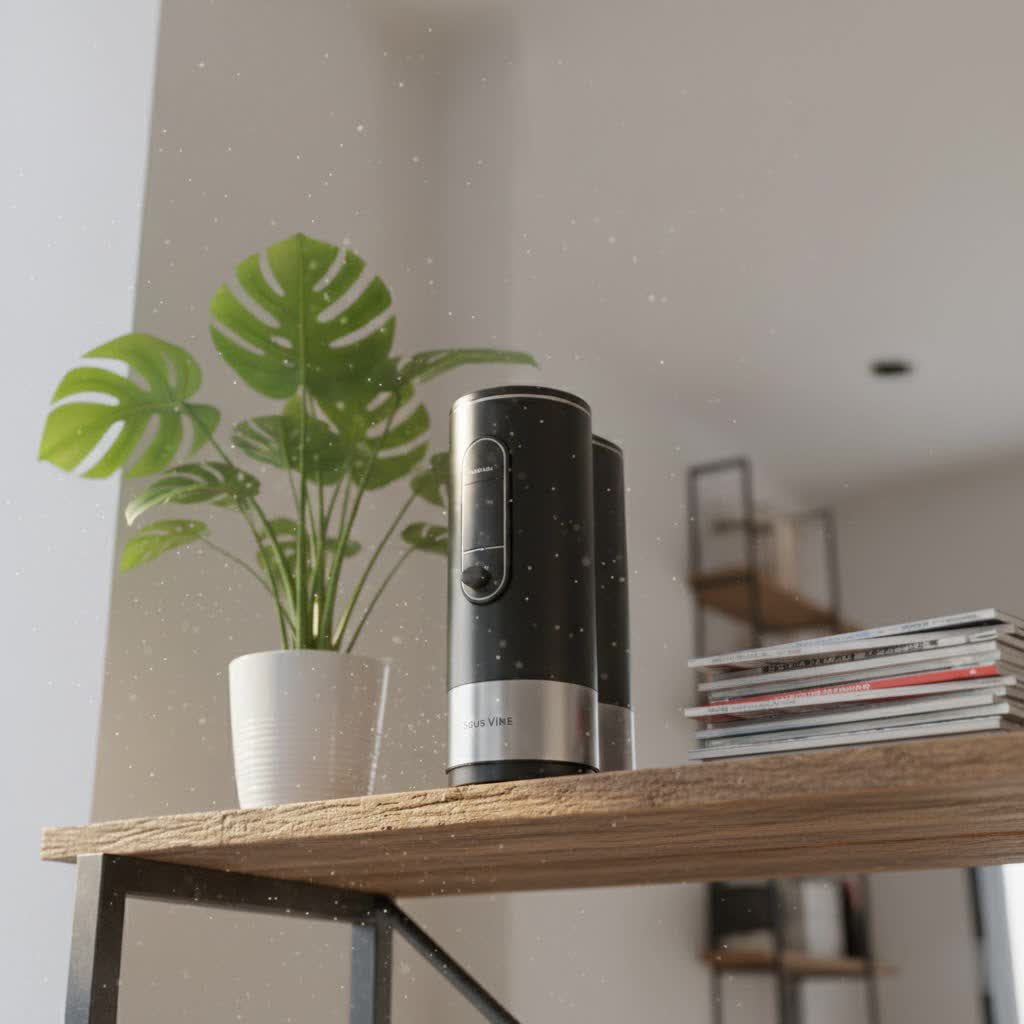
Sous Vide: Everything You Need to Know
Sous vide, French for “under vacuum,” is a cooking method where food is sealed in a vacuum-sealed bag and then cooked in a precisely temperature-controlled water bath. This technique ensures that the meat cooks evenly throughout, reaching an exact internal temperature, guaranteeing perfect doneness from edge to edge without overcooking.
The history of sous vide dates back to the mid-1970s, pioneered by French chefs Georges Pralus and Bruno Goussault. Pralus discovered it improved the foie gras yield, while Goussault extensively researched its applications for various foods. Over the decades, as technology advanced and equipment became more affordable, sous vide transitioned from exclusive restaurant kitchens to a celebrated technique among home culinary enthusiasts. It has revolutionized how many professional chefs approach meat preparation due to its precision and consistency.
Advantages of Sous Vide Cooking
- Unmatched Consistency: Meat is cooked to your desired doneness from edge to edge, eliminating overcooked exteriors and raw centers.
- Enhanced Flavor and Juiciness: Sealing food in a bag preserves natural juices and flavors that might otherwise be lost in traditional cooking methods.
- Tenderization: Longer cooking times at lower temperatures can tenderize tougher cuts of meat beautifully.
- Hands-Off Cooking: Once set, the sous vide machine maintains the temperature, allowing you to focus on other tasks.
- Flexibility: Meat can hold at its perfect temperature in the water bath for an extended period without degrading, offering flexibility in serving times.
|
Our Picks for the Best Sous Vide in 2026
As an Amazon Associate I earn from qualifying purchases.
|
||
| Num | Product | Action |
|---|---|---|
| 1 | Anova Culinary Sous Vide Precision Cooker 3.0 (WiFi), 1100 Watts |

|
| 2 | Sous Vide Machine,1300 Watts, Immersion Circulators, Sous Vide Precision Cooker, Steak Cooker, Temperature and Time Digital Display Control, Ultra-Quiet,Fast-Heating,Easy to store,IPX7 Waterproof |
|
| 3 | Greater Goods Kitchen Sous Vide Machine - Precision Cooker, Immersion Circulator, Brushless Motor, 1100 Watts (Onyx Black) |
|
| 4 | Sous Vide, Wancle Sous Vide Cooker 1100W IPX7 Waterproof Thermal Immersion Circulator With Reservation Function, Easy to store |
|
| 5 | INKBIRD WIFI Sous Vide Cooker ISV-100W, 1000 Watts Sous Vide Machine Immersion Circulator with 14 Preset Recipes on APP & Calibration Function, Thermal Immersion, Fast-Heating with Timer |
|
| 6 | Sous Vide Machines, Sous Vide Cooker, 1000 Watts Immersion Circulators with Recipe, Accurate Temperature and Time Control |
|
| 7 | Anova Culinary Sous Vide Precision Cooker Pro, 1200 Watts, Black and Silver |
|
| 8 | Greater Goods Digital Food Scale for Kitchen & Baking, 10kg/22lb High-Capacity Weight Scale with 1g Precision, Stainless Steel Platform, Hi-Def LCD, Ideal for Bread, Sourdough & Bulk Cooking |
|
| 9 | Anova Culinary Sous Vide Precision Cooker Mini, 850 Watts, Black and Orange, App Enabled, 2024 Model |
|
| 10 | Anova Culinary Sous Vide Precision Cooker Nano 2.0 |
|
Disadvantages of Sous Vide Cooking
- Requires Specialized Equipment: An immersion circulator and vacuum sealer are necessary investments.
- Takes Longer: While hands-off, the actual cooking time for meat sous vide is often longer than conventional methods.
- No Maillard Reaction: A final sear is almost always required to achieve a desirable crust and enhance flavor, adding an extra step.
- Space Consideration: The water bath and equipment require dedicated counter space.
The Benefits of Cooking Meat with Sous Vide
Cooking meat sous vide offers a multitude of benefits that elevate your culinary results, primarily by addressing common challenges found in traditional cooking methods. This precision technique ensures your meat is cooked perfectly every time, delivering an experience that’s hard to replicate otherwise.
Guarantees Perfect and Consistent Doneness
The most significant advantage of sous vide is its ability to cook meat to an exact temperature throughout. Traditional methods often result in a temperature gradient, where the exterior of the meat is more cooked than the interior. With sous vide, a steak cooked to medium-rare at 130°F (54.4°C) will be medium-rare from edge to edge, yielding a perfectly even texture and color. This consistency is invaluable for achieving restaurant-quality results at home, especially with premium cuts of meat.
Preserves Maximum Flavor and Nutrients
By cooking meat in a vacuum-sealed bag, all the natural juices, flavors, and soluble nutrients are retained within the food. There’s no evaporation or leaching into cooking liquids, as can happen with boiling or steaming. This concentrates the meat’s natural taste and ensures it remains incredibly moist and tender. Seasonings added to the bag also infuse deeply into the meat during the slow cooking process, intensifying the overall flavor profile.
Saves Time and Effort (with a caveat)
While the cooking time itself can be longer, sous vide is remarkably hands-off. Once you’ve set the temperature and time, you can walk away and attend to other tasks without worrying about overcooking. The meat can often hold at its desired temperature for an extended period without negative effects, providing flexibility for meal timing. This “set it and forget it” aspect allows for more efficient meal preparation, especially for larger gatherings or complex menus.
Unleashes Culinary Creativity
Sous vide opens up a world of culinary possibilities, allowing you to experiment with flavors and textures in ways traditional cooking methods can’t. You can infuse meats with herbs, spices, and aromatics directly in the bag, creating deeply embedded flavors. It also makes cooking delicate proteins like fish or perfecting dishes like perfectly poached eggs effortless. The consistency provided by sous vide allows for reliable experimentation with marinades and brines, broadening your cooking repertoire.
Essential Equipment for Sous Vide Cooking
To successfully venture into the world of meat sous vide, you’ll need a few key pieces of equipment. While some items are absolute necessities, others are highly recommended for optimizing your cooking experience and results.
Immersion Circulator
The immersion circulator is the heart of your sous vide setup. This device heats and circulates water in a bath, maintaining an incredibly precise and consistent temperature.
- Function: It clips onto the side of any pot or container, heating the water to your desired temperature and circulating it to ensure even heat distribution.
- How to Choose:
- Power (Wattage): Higher wattage (e.g., 1000W+) heats water faster, especially in larger baths.
- Temperature Accuracy: Look for models that maintain temperature within ±0.1°C (0.2°F). Most modern circulators are excellent in this regard.
- Connectivity: Wi-Fi or Bluetooth connectivity can allow remote monitoring and control via a smartphone app.
- User Interface: Easy-to-read displays and intuitive controls are essential.
- Brand Reputation: Anova, Joule, and Breville are popular and highly-regarded brands.
Water Bath Container
Any heat-safe pot or container can serve as your water bath, but some options are better than others.
- Size: Choose a container large enough to fully submerge your food without crowding. For most home cooks, an 8-12 quart (7.5-11 liter) stockpot or a dedicated sous vide container is sufficient.
- Material:
- Stockpots: Common and readily available.
- Plastic Containers (Polycarbonate): Often clear, allowing you to see the food, and with lids designed to prevent evaporation. They are excellent insulators.
- Coolers: Ideal for larger cooks or longer sessions as they are well-insulated and minimize heat loss and evaporation.
Vacuum Sealer and Bags
Sealing your food properly is crucial for effective sous vide cooking. The vacuum removes air, ensuring full contact with the water and preventing floating.
- Importance: Removing air prevents food from floating (which leads to uneven cooking) and helps to press any marinades or seasonings closer to the meat for better infusion.
- Types of Bags:
- Rolls/Pre-cut Bags: Designed for use with an external vacuum sealer.
- Zipper-Top Bags (Water Displacement Method): For those without a vacuum sealer, you can use high-quality freezer-safe zipper bags and remove air by submerging the bag in water (the water pressure forces the air out). This is often called the “water displacement method.”
- Reusable Silicone Bags: A more eco-friendly option, though they can be harder to fully evacuate air from.
Supporting Accessories
These items aren’t strictly necessary but can greatly enhance your meat sous vide experience.
- Container Lids: Reduce evaporation, especially during long cooks, and help maintain temperature.
- Racks/Weights: Keep bags fully submerged and organized in the water bath, preventing them from floating.
- Sous Vide Balls: Small plastic balls that float on the water surface, acting as an insulating layer to reduce heat loss and evaporation.
- Cast Iron Pan/Torch: Essential for the final searing step to develop a delicious crust (Maillard reaction) on your cooked meat.
How to Use Sous Vide: A Beginner’s Guide
Diving into meat sous vide might seem daunting at first, but the process is remarkably straightforward. Here’s a step-by-step guide to help you achieve perfectly cooked meat right from your first attempt.
1. Prepare Your Food
Before it enters the water bath, your meat needs a little attention.
- Searing (Optional, Pre-Sear): Some chefs advocate for a quick sear of tougher cuts like roasts or ribs before sous vide to enhance flavor. However, for most meats like steak or chicken, a post-sous vide sear is standard.
- Seasoning and Marinating: This is your chance to infuse flavor. Generously season your meat with salt, pepper, herbs, and spices. You can also add aromatics like garlic cloves, rosemary, or thyme directly into the bag. For marinades, be mindful of strong acids, which can “cook” the meat if left too long. Less is often more.
- Portioning: Cut meat into individual portions or sizes appropriate for your bags and cooking needs. Ensure pieces are relatively uniform for even cooking.
2. Set Up Your Sous Vide Equipment
This involves assembling your water bath and circulator.
- Attach Circulator: Clip your immersion circulator securely to the side of your chosen water bath container.
- Fill Water Bath: Fill the container with water, ensuring it’s above the minimum fill line of your circulator but below the maximum line. Leave enough room so that when you add your food, water doesn’t overflow.
- Set Temperature and Time: Consult a reliable meat sous vide temperature chart for your specific cut and desired doneness. Program your immersion circulator with these settings. It will begin heating the water.
3. Vacuum Seal and Submerge
Proper sealing is critical for heat transfer and preventing floating.
- Vacuum Sealing: Place your seasoned meat into a vacuum-sealable bag. Ensure there’s no excess liquid near the seal area to prevent sealing failures. Use your vacuum sealer to remove all air and create a tight seal.
- Water Displacement Method (if no vacuum sealer): Place your meat in a high-quality, freezer-safe zipper-top bag. Slowly lower the bag into the water bath, allowing the water pressure to force the air out around the food. Seal the bag just before it’s fully submerged.
- Submerge Food: Once the water bath reaches the target temperature, gently place your sealed bags into the water. Ensure they are fully submerged. If they float, use a heavy object, a rack, or sous vide weights to keep them under water.
4. Monitor and Cook
The beauty of sous vide is its hands-off nature during cooking.
- Cooking Time: Allow the meat to cook for the recommended duration. Thinner cuts might take 1-2 hours, while thicker cuts or tougher meats could require many hours, even a full day, to tenderize. The circulator will maintain the precise temperature.
- Check Water Level: For longer cooks, check the water level periodically, as some evaporation can occur. Top up with hot tap water if needed to keep it above the minimum line.
5. Finish Your Meat
The final step is crucial for developing flavor and texture.
- Remove from Bath: Once cooking is complete, carefully remove the bags from the water bath.
- Pat Dry: This is arguably the most important step for a good sear. Remove the meat from the bag and thoroughly pat it dry with paper towels. Any surface moisture will prevent a good crust from forming.
- Sear: Heat a cast-iron skillet or heavy-bottomed pan over high heat with a high smoke point oil (like grapeseed, avocado, or canola). Sear the meat for 30-60 seconds per side, until a rich, golden-brown crust forms. You can also use a kitchen torch for an even sear. Be quick; you only want to develop a crust, not cook the interior further.
- Serve: Slice and serve your perfectly cooked meat sous vide immediately!
> “The greatest advantage of sous vide for meat is consistency. You can achieve perfect doneness every single time, unlocking flavors and textures that are simply impossible with traditional methods.” – Chef Antoine Dubois, Culinary Innovations Institute
Comparison of Popular Sous Vide Machines
Choosing the right immersion circulator can significantly impact your meat sous vide experience. Here’s a comparison of some popular models based on key features to help you decide.
| Feature | Anova Culinary Precision Cooker | Joule by Breville | Inkbird WiFi Sous Vide | Wancle Immersion Circulator |
|---|---|---|---|---|
| Price Range | Mid-range to High-end | High-end | Budget-friendly | Budget-friendly |
| Power (Wattage) | 750W (Nano), 1000W (Pro) | 1100W | 1000W | 850W – 1000W |
| Connectivity | Bluetooth & Wi-Fi | Wi-Fi (App-controlled only) | Wi-Fi | No (Manual controls) |
| Control | On-device & App | App Only | On-device & App | On-device Only |
| Size | Varies, Nano is compact | Very compact | Standard size | Standard size |
| Max Water Volume | Up to 20L (Nano), 40L (Pro) | Up to 40L | Up to 15-20L | Up to 15-20L |
| Display | Digital screen | LED (small) | Digital screen | Digital screen |
| Pros | User-friendly app, reliable performance, good community support, various models | Sleek design, very powerful, magnetic base, precise temp control | Affordable, good wattage for the price, decent app | Very affordable, simple to use, good for beginners |
| Cons | Can be a bit bulky, app can be slow | App-dependent operation might not suit everyone | App can be clunky, build quality might vary | Lacks smart features, potentially less precise for advanced users |
| Ideal User | All levels, from beginner to advanced; those who want app and manual control | Tech-savvy users, minimalist design lovers, power users | Budget-conscious beginners, those wanting basic smart features | Budget-conscious beginners, those who prefer simplicity over smart features |
Gợi ý lựa chọn phù hợp
- For the Tech-Savvy Home Cook: If you love smart home devices and prefer controlling everything from your phone, the Joule by Breville is an excellent choice. Its compact size and powerful heating element make it a favorite.
- For Overall Versatility and Reliability: The Anova Precision Cooker series offers a great balance of features, power, and ease of use for most home cooks, with both app and on-device controls.
- For Budget-Conscious Beginners: Inkbird and Wancle provide an accessible entry point into sous vide. While they may lack some advanced features, they get the job done for basic meat sous vide cooking.
Tips and Tricks for Successful Meat Sous Vide
Mastering meat sous vide goes beyond just following instructions. These tips and tricks will help you refine your technique, troubleshoot common issues, and elevate your dishes to a professional level.
Choosing the Right Temperature and Time for Each Meat Type
The beauty of sous vide lies in precise temperature control, but understanding the ideal settings for different meats is key.
- Doneness: For steaks, beef roasts, or lamb, consult a doneness chart (e.g., 129°F/54°C for medium-rare, 135°F/57°C for medium). Poultry (chicken, turkey) generally requires higher temperatures for food safety (e.g., 145-150°F/63-66°C for juicy white meat, 160-165°F/71-74°C for dark meat). Pork often falls in the 140-145°F (60-63°C) range.
- Thickness, Not Weight: Unlike traditional cooking, sous vide cooking time is primarily determined by the thickness of the meat, not its total weight. A 1-inch thick steak will take roughly the same amount of time to reach temperature whether it’s 8 ounces or 16 ounces.
- Tenderization: For tougher cuts like short ribs or chuck roast, extend the cooking time significantly (24-72 hours) at temperatures typically associated with medium doneness to break down connective tissues and achieve fork-tenderness.
How to Handle Common Sous Vide Issues
Even experienced cooks encounter occasional hiccups. Here’s how to troubleshoot.
- Bags Floating: This is usually due to residual air in the bag. Re-seal if using a vacuum sealer, or if using the water displacement method, ensure more air is removed. You can also use weights, racks, or clips to keep bags submerged.
- Lack of Searing: If your meat doesn’t develop a good crust, it’s likely too wet. Pat it extremely dry with paper towels before searing. Also, ensure your pan is screaming hot and you’re using a high smoke point oil.
- “Liver-like” Texture (for poultry): This can happen if poultry is cooked at very low temperatures for too long. Stick to recommended temperatures (e.g., 145°F/63°C for chicken breast for 1-2 hours) to avoid this.
- Bags Leaking: Ensure your vacuum sealer is clean and sealing properly. Double-check bags for punctures or cheap seals. For long cooks, using thicker, high-quality bags or double-sealing is a good practice.
Maintaining and Cleaning Your Sous Vide Equipment
Proper care extends the life of your equipment.
- Immersion Circulator: After each use, wipe down the heating coil and skirt to remove any mineral deposits or food residue. For heavy mineral build-up, run the circulator in a bath of 50/50 water and white vinegar for 30 minutes, then rinse.
- Water Bath Container: Wash with soap and water after each use.
- Vacuum Sealer: Wipe down the sealing strip and drip tray regularly to prevent residue buildup, which can affect future seals.
Simple and Delicious Sous Vide Meat Recipes
Get started with these classic meat sous vide preparations.
- Perfect Medium-Rare Steak: 130°F (54.4°C) for 1-2 hours (depending on thickness). Finish with a hot sear.
- Juicy Chicken Breast: 145°F (63°C) for 1-2 hours. Finish with a quick sear or grill.
- Tender Pork Tenderloin: 140°F (60°C) for 1-3 hours. Sear for a golden crust.
> “Don’t underestimate the power of drying your meat thoroughly before searing. That tiny bit of moisture can be the difference between a sad, grey surface and a gloriously crisp, flavor-packed crust.” – Dr. Emily R. Chen, Food Science Researcher
Buying Guide: Choosing Your First Sous Vide Machine
Investing in a sous vide machine is a gateway to consistently perfect cooking. To ensure you pick the best one for your kitchen and cooking habits, consider these factors.
1. Determine Your Usage Needs
- Frequency: Will you use it once a week, or just for special occasions? Frequent users might benefit from more robust and feature-rich models.
- Batch Size: Are you cooking for one, a family, or often hosting dinner parties? This dictates the required power and maximum water volume your circulator can handle. Larger batches require more powerful units and bigger containers.
- Types of Meat: While all circulators handle most meats, if you plan on very long cooks (24+ hours for tough cuts), reliability and stability become paramount.
2. Identify Essential Features
- Power (Wattage): Aim for at least 800W, but 1000W or more is ideal for faster heating and better temperature recovery, especially with larger water baths or cold ingredients.
- Temperature Accuracy and Stability: The machine should maintain temperature within +/- 0.1°C (0.2°F). Most reputable brands excel here.
- Ease of Use: Look for intuitive controls, a clear display, and simple attachment mechanisms.
- Connectivity (Wi-Fi/Bluetooth): While not essential, app control allows you to monitor and adjust cooking from anywhere, and access extensive recipe libraries. Decide if this convenience is worth a potentially higher price.
- Safety Features: Auto-shutoff for low water levels is a crucial safety feature.
- Size and Storage: Consider how much counter space you have and where you’ll store the device. Some circulators are more compact than others.
3. Compare Prices and Brands
- Budget Models (under $100): Good for beginners, often have manual controls or simpler apps, lower wattage. Brands like Wancle, Inkbird.
- Mid-Range ($100-$200): Offer a great balance of power, features, and reliability. Anova Nano and standard Anova Precision Cookers often fall into this category.
- High-End ($200+): Top-tier performance, advanced features, sleek design, often higher wattage. Joule by Breville, Anova Precision Cooker Pro.
- Brand Reputation: Anova, Breville (Joule), and Instant Pot are well-established and trusted brands in the sous vide market.
4. Read User Reviews
- Real-world Experience: User reviews provide invaluable insights into the daily performance, durability, and any common issues with a specific model. Look for consistent feedback regarding accuracy, noise levels, and app functionality.
- Long-Term Reliability: Pay attention to reviews from users who have owned the device for an extended period.
5. Purchase from Reputable Retailers
- Warranty and Support: Buying from authorized retailers ensures you receive a valid warranty and access to customer support should you encounter any issues.
- Return Policy: A good return policy offers peace of mind if the device doesn’t meet your expectations.
By carefully considering these points, you’ll be well-equipped to choose a sous vide machine that perfectly suits your needs and helps you achieve exceptional meat sous vide results every time.
Delicious Dishes to Make with Sous Vide
The versatility of meat sous vide allows for an incredible range of culinary creations, transforming everyday cuts into extraordinary meals. Here are some staple dishes that truly shine when cooked with this precision method.
Sous Vide Beef
- Steak (Ribeye, Sirloin, Filet Mignon): The quintessential sous vide dish. Achieve perfect edge-to-edge medium-rare (or your preferred doneness) at 129-135°F (54-57°C) for 1-3 hours. Finish with a blazing hot sear for an irresistible crust.
- Roasts (Chuck Roast, Short Ribs): Transform tough cuts into incredibly tender, fall-apart delights. Cook chuck roast at 135°F (57°C) for 24-36 hours for a steak-like texture, or 165°F (74°C) for 10-14 hours for shreddable beef. Short ribs benefit from long cooks (e.g., 140°F/60°C for 48-72 hours) for maximum tenderness and flavor.
- Brisket: Achieve incredibly tender and moist brisket without drying it out. Cook at 155°F (68°C) for 24-36 hours, followed by a smoke or oven finish.
Sous Vide Chicken
- Chicken Breast: Say goodbye to dry, overcooked chicken. Cook at 145°F (63°C) for 1.5-2 hours for incredibly juicy and tender results. A quick sear in a hot pan or on the grill adds a fantastic exterior.
- Chicken Thighs: These forgiving cuts become succulent and flavorful with sous vide. Cook at 150°F (66°C) for 2-4 hours. They benefit greatly from a post-sous vide crisping in a pan or under the broiler.
- Whole Chicken: While more advanced, cooking a whole chicken sous vide can yield incredibly moist meat. Often, separate parts are cooked at different temperatures.
Sous Vide Salmon and Other Fish
- Salmon Fillets: Delicate fish benefit immensely from the gentle, consistent heat of sous vide, preventing overcooking. Cook at 125°F (52°C) for 45-60 minutes for a flaky, tender texture. Finish with a quick sear skin-side down.
- Cod, Halibut, Tuna: Similar to salmon, these fish cook beautifully sous vide, maintaining their delicate texture and moisture. Temperatures usually range from 120-135°F (49-57°C).
Sous Vide Eggs
- Perfect Poached-Style Eggs: Achieve custardy whites and runny yolks effortlessly. Cook at 145°F (63°C) for 45-75 minutes. Crack open and serve over toast or salads.
- Hard-Boiled/Soft-Boiled Eggs: Sous vide offers precise control over doneness, from soft-boiled (145°F/63°C for 45-60 min) to hard-boiled (167°F/75°C for 13-15 min).
Sous Vide Vegetables
- Asparagus: Cook at 183°F (84°C) for 15-20 minutes for perfectly tender-crisp results.
- Carrots: Sweet and tender. Cook at 185°F (85°C) for 45-60 minutes.
- Potatoes: Creamy and evenly cooked. Cook at 185°F (85°C) for 1-2 hours, depending on size.
These examples are just the beginning. The precise control offered by sous vide encourages experimentation, allowing you to perfect your favorite dishes and explore new culinary horizons.
Conclusion
The journey into meat sous vide cooking reveals a world of culinary precision and unparalleled consistency. From achieving that perfect, edge-to-edge doneness in your steak to ensuring every chicken breast is incredibly juicy, sous vide empowers home cooks to create restaurant-quality meals with ease. It’s a method that not only guarantees exceptional results but also preserves the natural flavors and nutrients of your food, all while offering the convenience of hands-off cooking.
By understanding the essential equipment, following beginner-friendly instructions, and applying a few expert tips, you can transform your kitchen into a haven of culinary perfection. Embracing sous vide means embracing a smarter, more consistent way to cook your favorite meats. So, why not take the plunge and discover the incredible difference sous vide can make in your cooking? What will be the first perfectly cooked meat dish you create?
Frequently Asked Questions
What are the main benefits of using sous vide for cooking meat?
The primary benefits of sous vide for meat are unmatched consistency, ensuring perfect doneness from edge to edge, and superior moisture retention, resulting in incredibly juicy and tender results. It also enhances flavor infusion and offers convenient, hands-off cooking, allowing for greater flexibility in meal preparation.
Is sous vide cooking safe for meat?
Yes, sous vide cooking is very safe when proper temperatures and times are followed. The precise temperature control prevents undercooking, and holding meat at pasteurization temperatures for specific durations can eliminate harmful bacteria. Always ensure your meat reaches and holds the minimum safe temperature for the recommended time for optimal food safety.
Do I need a special vacuum sealer for sous vide?
While a dedicated vacuum sealer provides the best results by removing nearly all air, it’s not strictly necessary for beginners. You can use high-quality, freezer-safe zipper-top bags and employ the “water displacement method” to remove air effectively. However, for long cooks or optimal sealing, a vacuum sealer is highly recommended.
Why do I need to sear meat after sous vide?
Searing meat after sous vide is crucial because the sous vide process itself doesn’t create the flavorful brown crust (Maillard reaction) that traditional high-heat cooking does. A quick, hot sear after the water bath adds significant flavor, texture, and visual appeal, complementing the perfectly cooked interior.
Can I cook frozen meat with sous vide?
Yes, you can cook frozen meat sous vide directly from the freezer. Simply add an additional 30-60 minutes (depending on thickness) to the recommended cooking time to allow the meat to thaw and come up to temperature in the water bath. This makes meal prep incredibly convenient.
