Have you ever dreamt of consistently achieving the ideal egg texture, from a perfectly runny yolk encased in tender whites to a creamy, custardy bite? The quest for the perfect egg can often be elusive, leading to rubbery whites or undercooked yolks. But what if there was a method that offered unparalleled precision, transforming your breakfast, brunch, or any meal into a culinary masterpiece every single time? Enter sous vide eggs, a technique that promises flawless results with minimal effort, elevating your egg game to professional standards.
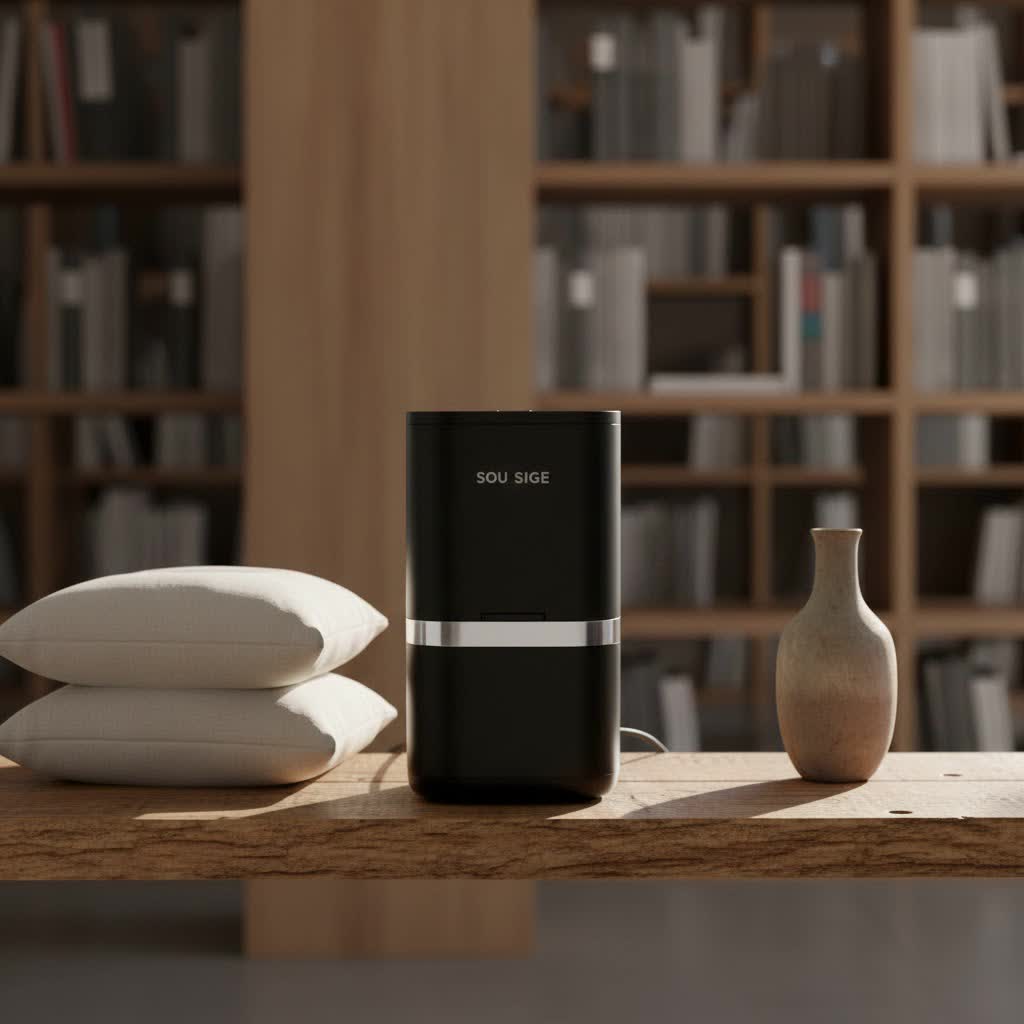
Sous Vide Eggs: What You Need to Know
Sous vide, a French term meaning “under vacuum,” is a cooking method renowned for its precision. For eggs, this typically means cooking them gently in their shells in a precisely temperature-controlled water bath. Unlike many other sous vide applications, you don’t usually need to vacuum seal whole eggs; their natural shell acts as a perfect vessel.
The history of sous vide dates back to the 1970s, initially embraced by professional chefs for its ability to produce consistent results, especially with delicate proteins. It has since become accessible to home cooks, offering a foolproof way to achieve textures previously difficult to master with traditional cooking methods.
The primary appeal of sous vide for eggs lies in its meticulous temperature control. This eliminates the guesswork and the risk of overcooking, which is notoriously easy with eggs. You can set the water bath to the exact degree required for your desired texture, from a barely set, creamy yolk to a completely firm yet tender hard-boiled egg.
Advantages of Sous Vide Eggs
- Unmatched Consistency: Sous vide ensures that your eggs are cooked evenly throughout, from edge to center, delivering the exact same perfect result every time. This precision prevents common pitfalls like rubbery whites or an unsightly green ring around the yolk.
- Precision in Texture: Want a perfectly runny yolk with fully set whites? Or perhaps a jammy yolk that holds its shape? Sous vide allows you to dial in the precise temperature to achieve specific, reproducible textures for both the yolk and the white.
- Enhanced Flavor: The gentle, consistent heat preserves the natural, delicate flavor of the egg, resulting in a richer, more nuanced taste.
- Food Safety (Pasteurization): By holding eggs at a specific low temperature (e.g., 130-135°F or 54-57°C) for 75-90 minutes, you can pasteurize them in their shells, making them safer for consumption in recipes that traditionally call for raw eggs, such as mayonnaise or Caesar dressing.
- Hands-Off Cooking: Once your eggs are in the water bath, the immersion circulator does all the work. This frees you up to prepare other components of your meal or simply relax, making it ideal for entertaining or meal prepping.
- Simplified Peeling: For certain consistencies, especially hard-boiled, sous vide can make eggs surprisingly easier to peel, reducing frustration and waste.
|
Our Picks for the Best Sous Vide in 2026
As an Amazon Associate I earn from qualifying purchases.
|
||
| Num | Product | Action |
|---|---|---|
| 1 | Greater Goods Kitchen Sous Vide Machine - Precision Cooker, Immersion Circulator, Brushless Motor, 1100 Watts (Onyx Black) |

|
| 2 | Anova Culinary Sous Vide Precision Cooker Mini, 850 Watts, Black and Orange, App Enabled, 2024 Model |
|
| 3 | Anova Culinary Sous Vide Precision Cooker 3.0 (WiFi), 1100 Watts |
|
| 4 | Sous Vide Machine,1300 Watts, Immersion Circulators, Sous Vide Precision Cooker, Steak Cooker, Temperature and Time Digital Display Control, Ultra-Quiet,Fast-Heating,Easy to store,IPX7 Waterproof |
|
| 5 | Anova Culinary Sous Vide Precision Cooker Pro, 1200 Watts, Black and Silver |
|
| 6 | INKBIRD WIFI Sous Vide Cooker ISV-100W, 1000 Watts Sous Vide Machine Immersion Circulator with 14 Preset Recipes on APP & Calibration Function, Thermal Immersion, Fast-Heating with Timer |
|
| 7 | Sous Vide Machines, Sous Vide Cooker, 1000 Watts Immersion Circulators with Recipe, Accurate Temperature and Time Control |
|
| 8 | Anova Culinary Sous Vide Precision Cooker Nano 2.0 |
|
| 9 | Sous Vide, Wancle Sous Vide Cooker 1100W IPX7 Waterproof Thermal Immersion Circulator With Reservation Function, Easy to store |
|
| 10 | Greater Goods Digital Food Scale for Kitchen & Baking, 10kg/22lb High-Capacity Weight Scale with 1g Precision, Stainless Steel Platform, Hi-Def LCD, Ideal for Bread, Sourdough & Bulk Cooking |
|
Potential Challenges with Sous Vide Eggs
While sous vide offers many benefits, there are a few considerations:
- Initial Equipment Investment: You’ll need an immersion circulator, which is an upfront cost, though many affordable options are available.
- Cooking Time: Some sous vide egg preparations, especially for hard-boiled or pasteurized eggs, can take longer than conventional methods.
- “Watery Whites”: A common complaint is a small amount of loose, watery white that can remain, particularly with younger or very fresh eggs cooked at lower temperatures. This can be mitigated by briefly dipping the egg in boiling water before or after sous vide, or by straining the loose white away when cracking.
Essential Equipment for Your Sous Vide Egg Journey
To embark on your sous vide egg adventure, you’ll need a few key pieces of equipment:
- Immersion Circulator (Sous Vide Cooker): This is the heart of your setup. It heats the water to a precise temperature and circulates it to maintain consistency. Popular brands include Anova and Breville Joule.
- Water Bath Container: A large pot, a stockpot, or a dedicated sous vide container will work. Ensure it’s deep enough for the water level to fall between the minimum and maximum indicators on your circulator.
- Slotted Spoon or Tongs: Essential for gently placing eggs into and removing them from the hot water bath to prevent cracking.
- Ice Bath (Optional but Recommended): A large bowl filled with ice and water is useful for immediately cooling cooked eggs, stopping the cooking process, and making them easier to peel.
- Small Mason Jars (for Egg Bites): If you plan to make sous vide egg bites, small (4 oz) canning jars with lids are necessary.
How to Get Started with Sous Vide Eggs: A Beginner’s Guide
Cooking eggs sous vide is surprisingly straightforward. Here’s a step-by-step guide for beginners:
- Set Up Your Water Bath: Fill your chosen container with water. Attach your immersion circulator and set it to your desired temperature (refer to the temperature chart below for guidance). Allow the water to reach the target temperature before adding eggs.
- Gently Place Eggs: Using a slotted spoon or tongs, carefully lower uncooked eggs (in their shells) directly into the preheated water bath. Avoid dropping them to prevent cracking.
- Cook for Desired Time: Set a timer for the recommended duration based on your preferred egg consistency. The precise temperature control of sous vide means you have a wider window for perfection, reducing the stress of overcooking.
- Cool in an Ice Bath (Optional but Recommended): Once the cooking time is complete, immediately transfer the eggs to an ice bath for 1-5 minutes. This rapidly stops the cooking process, ensuring the texture remains exactly as intended and often aids in easier peeling, especially for hard-boiled eggs.
- Serve and Enjoy: Crack open your perfectly cooked sous vide eggs and season them to taste. They’re ready to be enjoyed on toast, in salads, or as part of your favorite dish.
Sous Vide Egg Temperature and Time Chart
The beauty of sous vide is the ability to achieve a spectrum of textures. Here’s a general guide for large eggs, though slight adjustments may be needed based on egg size and desired firmness:
| Desired Consistency | Temperature (°F/°C) | Time (Minutes) | Description |
|---|---|---|---|
| Pasteurized | 130-135°F / 54-57°C | 75-90 | “Raw” egg, safe for consumption in uncooked preparations. |
| Very Runny Yolk | 140°F / 60°C | 45-60 | Barely set white, yolk completely runny. |
| Poached Style | 145°F / 63°C | 45-60 | Firm whites, yolk slightly thickened but still very runny. |
| Soft-Boiled/Jammy | 150°F / 66°C | 45-60 | Firm whites, creamy, jammy yolk. Perfect for ramen or toast. |
| Medium-Boiled | 155°F / 68°C | 45-60 | Whites and yolk firm but still tender and pliable. |
| Hard-Boiled | 165°F / 74°C | 45-60 | Fully set whites, firm but moist yolk, not crumbly or chalky. |
| Egg Bites | 165-170°F / 74-77°C | 60 | Custardy, firm texture (cooked in jars). |
(Note: Some recipes for soft-boiled/poached eggs use higher temperatures for shorter times, e.g., 167°F/75°C for 13 minutes, to achieve specific white-to-yolk firmness ratios.)
Advanced Tips and Tricks for Sous Vide Egg Success
Even with the precision of sous vide, a few expert tips can elevate your egg cooking even further:
- Dealing with Loose Whites: For a cleaner egg, especially with fresher eggs, some chefs recommend briefly submerging eggs in boiling water for 30 seconds to 3 minutes before the sous vide bath, or straining off the very thin, watery outer white after cracking.
- Temperature Consistency: Always ensure your water bath reaches and maintains the target temperature before adding eggs. Using a lid on your container can help maintain heat and reduce evaporation during longer cooks.
- Don’t Crowd the Bath: Give your eggs enough space in the water bath for proper circulation and even cooking. Overcrowding can lead to inconsistent temperatures and potential cracking.
- Meal Prep Like a Pro: Cook a batch of sous vide eggs, chill them immediately in an ice bath, and then store them in their shells in the refrigerator for up to 5 days. To reheat, simply submerge them in a 130-140°F (54-60°C) water bath for about 10 minutes, and they’ll be as good as fresh.
- Crack Carefully: When serving, gently crack the egg on a hard surface and carefully peel or spoon out the contents. For poached-style eggs, cracking directly into a bowl or onto a slotted spoon can help separate any remaining watery whites.
- Calibrate Your Device: If you suspect your immersion circulator’s temperature reading is off, use a reliable thermometer to check the water bath temperature and adjust accordingly.
Buying Guide: Choosing the Right Sous Vide Cooker for Eggs
Selecting an immersion circulator is a key step in mastering sous vide eggs. Here’s what to consider:
- Power and Heating Speed: Higher wattage (e.g., 1000W+) circulators heat water faster, which can be convenient. However, for eggs, lower wattage models (e.g., 800W) are perfectly adequate as precise temperature control is more critical than speed.
- Temperature Accuracy: Look for models known for their stable and accurate temperature control. This is paramount for achieving precise egg textures.
- Connectivity (Wi-Fi/Bluetooth): Many modern circulators offer app control, allowing you to monitor and adjust cooking from your phone. This can be a useful feature for convenience.
- Size and Clamp: Consider how easily the circulator will fit into your existing pots and how securely its clamp attaches. Compact models are great for smaller kitchens.
- Ease of Cleaning: Removable skirts or easy-to-wipe surfaces make cleaning a breeze.
- Price: Immersion circulators range from budget-friendly options to high-end models. Decide on features that are most important to you within your budget. Brands like Anova, Breville Joule, and Instant Pot Accu Slim are popular choices.
Delicious Sous Vide Egg Recipes to Try
The versatility of sous vide eggs opens up a world of culinary possibilities. Here are some ideas to get you started:
Classic Poached-Style Sous Vide Eggs
Perfect for Eggs Benedict, avocado toast, or atop a salad. Cook eggs at 145°F (63°C) for 45-60 minutes. Serve immediately after cracking for that luscious runny yolk and tender white.
Jammy Soft-Boiled Sous Vide Eggs
Ideal for ramen bowls, grain bowls, or simply with a sprinkle of flaky salt. Cook eggs at 150°F (66°C) for 45-60 minutes to achieve a thick, creamy, yet still liquid yolk.
Sous Vide Egg Bites (Starbucks Style)
A fantastic make-ahead breakfast or snack.
- Blend: Combine eggs with cottage cheese, shredded cheese (e.g., Gruyère, Monterey Jack), and seasonings in a blender until smooth.
- Prep Jars: Lightly grease small Mason jars. Add desired mix-ins like cooked bacon, roasted red peppers, or spinach to the bottom.
- Fill & Cook: Pour the egg mixture into the jars, leaving some headspace. Screw lids on finger-tight.
- Sous Vide: Cook in a water bath at 165-170°F (74-77°C) for 60 minutes, or until set.
- Finish: Carefully remove from jars. Optionally, broil briefly with extra cheese for a golden top.
Sous Vide Hard-Boiled Eggs for Salads
For perfect egg salad or deviled eggs, cook at 165°F (74°C) for 60 minutes. The yolks will be firm but moist, and the whites tender, avoiding the common rubbery texture.
“Sous vide eggs offer a level of control that transforms a simple ingredient into a culinary masterpiece, delivering perfect texture and flavor every single time.” – Chef Antoine Dubois, Culinary Innovator
Conclusion
Sous vide eggs are a testament to how precise temperature control can revolutionize everyday cooking. From consistently achieving a delicate, runny yolk to crafting perfectly custardy egg bites, this method empowers you to master egg preparation with confidence and creativity. Embrace the precision, experiment with temperatures, and discover a world of perfectly textured eggs that will impress every palate. Why not give sous vide eggs a try tonight and unlock their delicious potential?
Frequently Asked Questions
What is the ideal temperature for a runny sous vide egg yolk with set whites?
For a runny yolk and firm whites, aim for 145°F (63°C) for 45-60 minutes. This temperature precisely coagulates the whites while leaving the yolk beautifully fluid, making it perfect for classic preparations.
Can I pasteurize eggs using sous vide?
Yes, sous vide can effectively pasteurize eggs. Cooking them at 130-135°F (54-57°C) for 75-90 minutes ensures they are safe to consume in recipes that typically call for raw eggs, such as homemade mayonnaise or hollandaise.
Why are my sous vide egg whites still watery?
Watery whites can occur due to very fresh eggs or specific low temperatures. To address this, consider briefly plunging eggs into boiling water for 30-60 seconds before or after the sous vide bath, or simply straining the thinner, loose white when cracking the egg.
How long can sous vide eggs be stored after cooking?
After cooking, immediately chill sous vide eggs in an ice bath. Once cooled, they can be stored in their shells in the refrigerator for up to 5 days, making them an excellent option for meal prepping throughout the week.
