Have you ever dreamt of achieving restaurant-quality meat dishes in your own kitchen, perfectly cooked from edge to edge every single time? For years, inconsistent results have plagued home cooks, making the quest for that ideal steak or tender chicken breast a gamble. Enter sous vide meat, a revolutionary cooking method that promises precision, consistency, and unparalleled flavor, transforming your culinary endeavors. This comprehensive guide will demystify sous vide cooking, focusing specifically on how to master meat preparations, ensuring every bite is a testament to perfection.
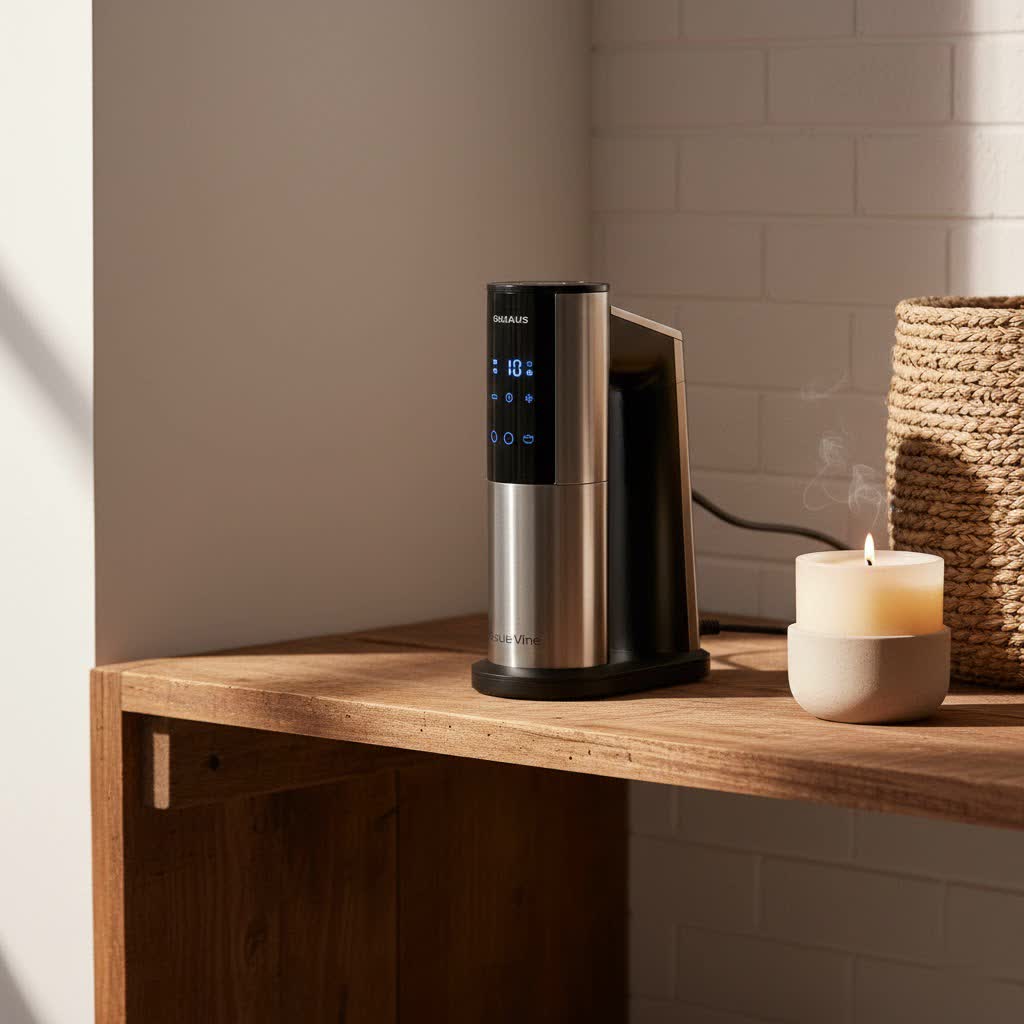
Sous Vide: What Is It?
Sous vide, a French term meaning “under vacuum,” is a cooking technique where food, typically sealed in a vacuum-proof bag, is cooked in a precisely temperature-controlled water bath. This method was pioneered by French chef Georges Pralus in the mid-1970s and has since become a staple in professional kitchens worldwide, now readily accessible to home cooks.
The magic of sous vide lies in its gentle, even heat distribution. Unlike traditional methods where food is exposed to fluctuating temperatures, sous vide immerses your meat in water held at an exact temperature. This ensures that the meat cooks uniformly from the exterior to the very center, preventing overcooked edges and undercooked middles. Furthermore, cooking at lower, precise temperatures over longer durations allows tough connective tissues in meat to break down into gelatin without drying out the muscle fibers, resulting in incredibly tender and succulent results.
Why Sous Vide Your Meat? The Benefits Unveiled
The advantages of using sous vide for cooking meat are numerous, appealing to both novice and experienced chefs alike.
- Perfect Consistency & Doneness: The most celebrated benefit is the ability to achieve exact doneness consistently. Whether you prefer your steak rare, medium-rare, or well-done, sous vide delivers the desired internal temperature throughout the entire piece of meat, from one edge to the other.
- Unparalleled Tenderness: By cooking at lower temperatures for extended periods, sous vide tenderizes meat far beyond what traditional methods can accomplish. Collagen, a tough protein in connective tissue, slowly converts into rich gelatin, transforming even leaner or tougher cuts into melt-in-your-mouth delights.
- Juiciness & Flavor Retention: Sealing meat in a vacuum bag locks in all its natural juices and marinades. This means moisture and flavor compounds have nowhere to escape, concentrating the taste and keeping your meat incredibly succulent. On average, meat cooked on a grill or skillet can lose up to 40% of its volume due to moisture loss, a stark contrast to sous vide.
- Hands-Off & Flexible Cooking: Once your meat is in the water bath, the sous vide machine does all the work. This hands-off approach frees you to focus on other aspects of your meal or simply relax. Moreover, the extended cooking window means your meat will hold its perfect doneness for hours, giving you flexibility in serving time.
- Enhanced Food Safety: While lower temperatures might initially raise concerns, sous vide, when performed correctly, can pasteurize food, making it safe to eat. By holding meat at a specific temperature for a sufficient duration, harmful bacteria are eliminated, even at temperatures lower than conventionally recommended. For instance, chicken pasteurizes at 136°F (57.7°C) if held for 63.3 minutes.
Essential Gear for Sous Vide Meat
To embark on your sous vide journey, a few key pieces of equipment are necessary.
- Immersion Circulator (Precision Cooker): This is the heart of your sous vide setup. An immersion circulator heats water to a precise temperature and circulates it to maintain an even temperature throughout the bath. Brands like Anova, Breville, and Instant offer reliable options.
- Water Bath Container: Any pot or container large enough to hold your meat submerged in water will work. Dedicated sous vide containers, often clear and with lids, help reduce evaporation and maintain temperature more efficiently.
- Vacuum Sealer & Bags: A vacuum sealer removes air from a specially designed bag, creating an airtight seal around your meat. This prevents it from floating and ensures maximum contact with the water. Alternatively, you can use high-quality freezer-safe zipper-lock bags and employ the “water displacement method” to remove air: slowly submerge the bag with food into water, letting the water pressure push out the air before sealing.
- Optional Accessories:
- Sous Vide Rack: Keeps bags separated and fully submerged, ensuring even cooking.
- Insulated Balls or Lid: Help minimize heat loss and water evaporation, especially during long cooks.
- Heavy Bottom Pans: For achieving a perfect post-sous vide sear.
Getting Started: A Step-by-Step Guide to Sous Vide Meat
Sous vide cooking might sound technical, but the process is remarkably straightforward.
- Choose Your Cut & Season: Select your preferred cut of meat. Season generously with salt, pepper, herbs, and any other desired spices or marinades. Keep it simple for your first few cooks to appreciate the meat’s natural flavor.
- Seal It Up: Place the seasoned meat into a vacuum-sealable bag or a high-quality freezer-safe zipper-lock bag. Ensure there’s enough space in the bag for even heat distribution. If using a vacuum sealer, seal according to the manufacturer’s instructions. If using a zipper-lock bag, submerge it slowly into the water bath, allowing the water pressure to push out the air before sealing the bag just above the waterline.
- Set the Temperature & Time: Consult a reliable sous vide chart (like the one below) for the recommended temperature and time based on your specific type of meat and desired doneness. Attach your immersion circulator to your water bath container and set it to the target temperature.
- Submerge & Cook: Once the water bath reaches the desired temperature, carefully place the sealed bag of meat into the water, ensuring it is fully submerged. Use a rack or weights if needed. Cook for the recommended duration.
- The All-Important Sear: After cooking, carefully remove the meat from the bag. Pat it thoroughly dry with paper towels—this is crucial for achieving a good sear. Heat a cast-iron skillet or heavy-bottomed pan over high heat with a high smoke point oil (like avocado or grapeseed oil). Sear the meat for 30-60 seconds per side, until a beautiful, golden-brown crust forms. This “reverse sear” adds texture and flavor that sous vide alone cannot provide.
Mastering Temperatures & Times for Different Meats
Precision is key in sous vide, and temperature dictates doneness, while time ensures tenderness and pasteurization. Below are general guidelines; individual preferences and meat thickness may require slight adjustments.
| Meat Type & Cut | Doneness/Texture | Temperature (°F/°C) | Minimum Time (Approx.) | Notes |
|---|---|---|---|---|
| Beef Steak (Ribeye, Strip, Sirloin) | Rare | 120-128°F / 49-53°C | 1-2 hours | For 1-1.5 inch thick steaks. Sear after cooking. |
| Medium-Rare | 129-134°F / 54-57°C | 1-4 hours | Most popular for steak, excellent tenderness. | |
| Medium | 135-144°F / 57-62°C | 1-4 hours | Firm texture, juicy. | |
| Medium-Well | 145-155°F / 63-68°C | 1-4 hours | ||
| Well-Done | 156-165°F / 69-74°C | 1-4 hours | Will be very soft and shreddable if cooked too long. | |
| Beef Roast (Chuck, Brisket, Short Ribs) | Tender & Shreddable | 155-170°F / 68-77°C | 24-48 hours | Lower temps (131°F/55°C) for 48 hrs for more “steak-like” results. |
| Pork Chops/Tenderloin | Juicy & Tender | 135-145°F / 57-63°C | 1-4 hours | Pink center is safe due to pasteurization. |
| Pork Ribs | Fall-off-the-bone | 160-176°F / 71-80°C | 12-24 hours | Finish on grill or under broiler. |
| Chicken Breast | Moist & Tender | 140-150°F / 60-66°C | 1-3 hours | Pasteurized at 140°F for 35 min; 145°F for 9 min. |
| Chicken Thighs/Legs | Juicy & Tender | 160-165°F / 71-74°C | 3-6 hours | Dark meat benefits from higher temps. |
| Duck Breast | Medium-Rare | 130-135°F / 54-57°C | 2-3 hours | Render fat in a hot pan after sous vide. |
| Lamb Chops/Leg | Medium-Rare | 130-135°F / 54-57°C | 1-4 hours | Similar to beef steak temps. |
Safety Considerations: The “Danger Zone”
|
Our Picks for the Best Sous Vide in 2026
As an Amazon Associate I earn from qualifying purchases.
|
||
| Num | Product | Action |
|---|---|---|
| 1 | Anova Culinary Sous Vide Precision Cooker Nano 2.0 |

|
| 2 | Anova Culinary Sous Vide Precision Cooker 3.0 (WiFi), 1100 Watts |
|
| 3 | Sous Vide, Wancle Sous Vide Cooker 1100W IPX7 Waterproof Thermal Immersion Circulator With Reservation Function, Easy to store |
|
| 4 | Greater Goods Digital Food Scale for Kitchen & Baking, 10kg/22lb High-Capacity Weight Scale with 1g Precision, Stainless Steel Platform, Hi-Def LCD, Ideal for Bread, Sourdough & Bulk Cooking |
|
| 5 | Greater Goods Kitchen Sous Vide Machine - Precision Cooker, Immersion Circulator, Brushless Motor, 1100 Watts (Onyx Black) |
|
| 6 | Anova Culinary Sous Vide Precision Cooker Mini, 850 Watts, Black and Orange, App Enabled, 2024 Model |
|
| 7 | INKBIRD WIFI Sous Vide Cooker ISV-100W, 1000 Watts Sous Vide Machine Immersion Circulator with 14 Preset Recipes on APP & Calibration Function, Thermal Immersion, Fast-Heating with Timer |
|
| 8 | Anova Culinary Sous Vide Precision Cooker Pro, 1200 Watts, Black and Silver |
|
| 9 | Sous Vide Machine,1300 Watts, Immersion Circulators, Sous Vide Precision Cooker, Steak Cooker, Temperature and Time Digital Display Control, Ultra-Quiet,Fast-Heating,Easy to store,IPX7 Waterproof |
|
| 10 | Sous Vide Machines, Sous Vide Cooker, 1000 Watts Immersion Circulators with Recipe, Accurate Temperature and Time Control |
|
It’s crucial to understand food safety with sous vide. The “danger zone” for bacterial growth is between 40°F (4°C) and 130°F (54.5°C). While sous vide often operates within or near this range, the extended cooking times above 130°F (54.5°C) lead to pasteurization, making food safe. For longer cooks (over 4 hours), ensure your temperature is at least 131°F (55°C) to prevent harmful bacteria like Clostridium botulinum. If cooking below 130°F (54.5°C), limit the cooking time to less than 4 hours, and sear thoroughly afterward to eliminate surface bacteria.
Tips & Tricks for Sous Vide Meat Success
Even with the precision of sous vide, a few expert tips can elevate your results.
- Don’t Overcrowd the Bath: Ensure there’s ample space for water to circulate around each bag. Overcrowding can lead to uneven cooking.
- Pat Dry Before Searing: This cannot be stressed enough. Moisture on the surface prevents the Maillard reaction (browning), which creates the flavorful crust.
- Experiment with Seasonings: Sous vide allows flavors to deeply infuse into the meat. Try new herb combinations, garlic, or a touch of butter in the bag for an extra layer of richness.
- Dealing with Frozen Meat: You can cook meat directly from frozen using sous vide; simply add one hour to the recommended minimum cooking time to ensure it reaches the target temperature.
- Advanced Techniques: For an even deeper crust, consider a quick pre-sear before the sous vide bath, then another sear after. This technique is particularly effective for thicker cuts.
“Sous vide cooking truly democratizes high-quality meat preparation. It takes away the guesswork and delivers a level of consistency and tenderness that’s incredibly satisfying for any home cook.” – Chef John Smith, Culinary Instructor
Beyond Steaks: Other Meats to Sous Vide
While sous vide steak is a popular entry point, the method is incredibly versatile for various meats:
- Chicken: Achieve unbelievably moist chicken breasts or thighs, preventing the dryness often associated with traditional methods.
- Pork: From juicy pork chops to fall-apart tender pulled pork shoulders, sous vide handles pork with finesse.
- Lamb: Lamb chops, leg of lamb, or shoulder benefit immensely from the tenderizing effects of sous vide.
- Fish: Delicate fish fillets cook perfectly evenly, never overcooked or flaky, maintaining their delicate texture and flavor.
Buying Guide: Choosing Your Sous Vide Setup
Investing in the right equipment is key to a rewarding sous vide experience.
- Determine Your Needs: Are you an occasional cook or a frequent sous vide enthusiast? This will influence the power and features you need.
- Immersion Circulators vs. All-in-One: Immersion circulators are more affordable and space-saving, clamping onto your existing pots. All-in-one units include a water bath and circulator, offering a dedicated setup.
- Consider Connectivity: Many modern immersion circulators offer Bluetooth or Wi-Fi connectivity, allowing you to control and monitor your cook from a smartphone app.
- Read Reviews: Look for models with consistent temperature control, quiet operation, and ease of cleaning.
- Source Reputably: Purchase from trusted retailers or directly from well-known brands to ensure product quality and warranty support.
Conclusion
Sous vide meat represents a paradigm shift in home cooking, offering a foolproof path to consistently perfect results. By embracing this precise, low-temperature, long-time cooking method, you unlock unparalleled tenderness, juiciness, and flavor in every cut. From succulent steaks to fall-off-the-bone ribs, sous vide empowers you to cook with confidence and creativity, transforming your kitchen into a haven of culinary excellence. Are you ready to elevate your meat dishes to a whole new level of perfection?
Frequently Asked Questions
Is it safe to cook meat at low temperatures with sous vide?
Yes, sous vide cooking is safe when proper time and temperature guidelines are followed. While temperatures might seem low, the extended cooking duration effectively pasteurizes the meat, eliminating harmful bacteria. For meat cooked longer than 4 hours, ensure the temperature is at least 131°F (55°C) to inhibit bacterial growth.
Do I always need to sear meat after sous vide?
While not strictly mandatory for safety (if pasteurized), searing after sous vide is highly recommended. The quick, high-heat sear creates a delicious, caramelized crust through the Maillard reaction, adding a critical layer of flavor and textural contrast that sous vide alone cannot achieve.
Can I sous vide different types of meat at the same time?
Yes, you can sous vide different meats simultaneously, but you must ensure they require the same temperature. If they need different temperatures or very different cooking times (e.g., a steak and a tough cut requiring 24+ hours), it’s best to cook them separately. Always ensure each item is properly sealed in its own bag.
