Imagine effortlessly achieving perfectly cooked meals, every single time, with restaurant-quality precision right in your own kitchen. This isn’t a culinary fantasy; it’s the reality brought to you by the sous vide cooker. This innovative kitchen appliance has transformed the way home cooks approach everything from succulent steaks to delicate fish, offering unparalleled control and consistent results that were once only the domain of professional chefs. If you’re ready to unlock a new level of culinary mastery and take the guesswork out of cooking, a sous vide cooker is your essential tool. Let’s delve into the world of sous vide and discover how this remarkable device can revolutionize your cooking experience.
What is Sous Vide?
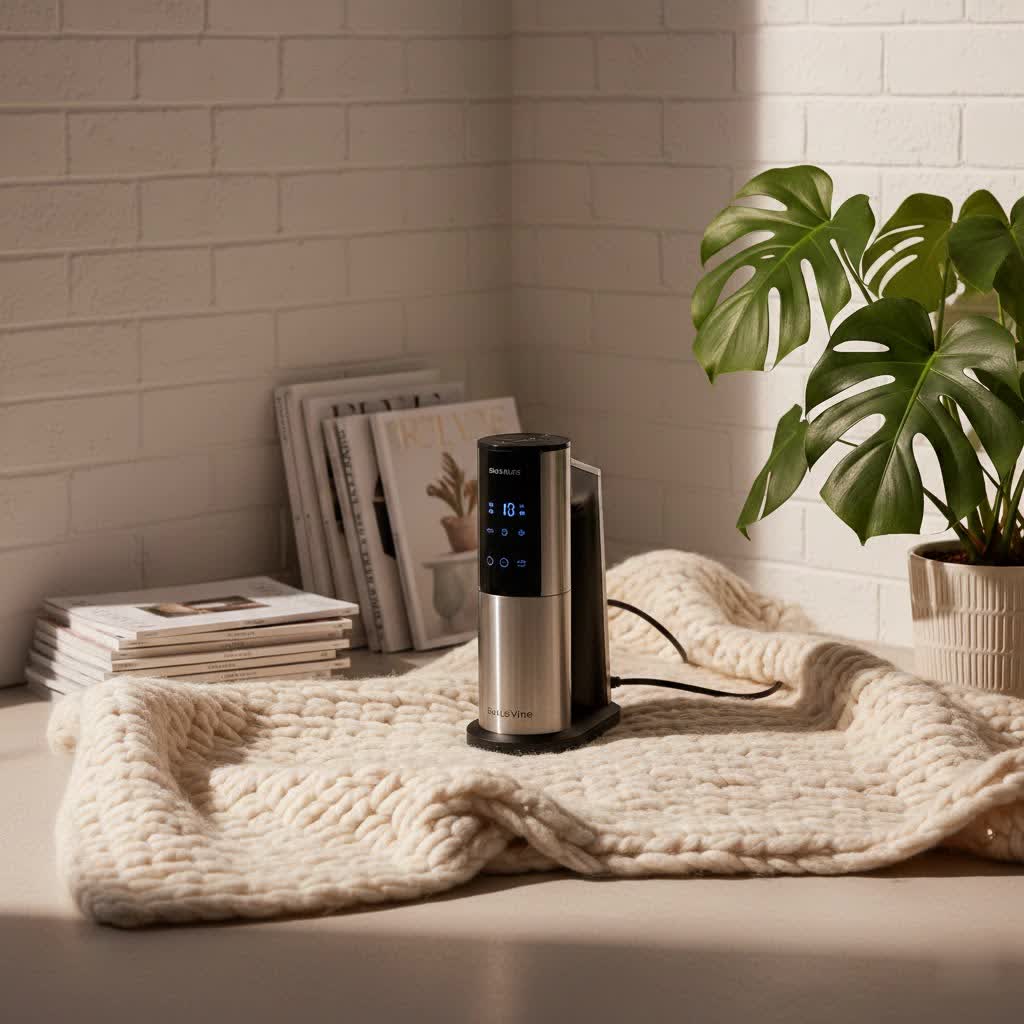
At its core, “sous vide” is a French term meaning “under vacuum,” referring to a cooking method where food is sealed in a vacuum-safe bag and then cooked in a precisely temperature-controlled water bath. Unlike traditional cooking methods that rely on time and intense, fluctuating heat, sous vide cooks food gently and evenly to an exact internal temperature. This precision eliminates the risk of overcooking, ensuring that your food reaches its desired doneness from edge to edge.
The origins of sous vide trace back to the mid-1970s, pioneered by French chefs like Georges Pralus, who used it to cook foie gras and minimize shrinkage. Over the decades, the technique evolved and became a staple in high-end restaurants. More recently, with the advent of affordable and user-friendly sous vide cookers (also known as immersion circulators), this once-exclusive method has found its way into home kitchens worldwide, making gourmet cooking accessible to everyone.
The primary advantage of using a sous vide cooker is its ability to maintain a consistent temperature, leading to predictable and perfect results. This hands-off approach also means you have more freedom in the kitchen. However, it’s worth noting that sous vide cooking typically takes longer than conventional methods, and foods often require a quick sear or finish after the water bath to develop a desirable crust or texture.
Benefits of Sous Vide Cooking
Embracing a sous vide cooker in your kitchen offers a myriad of benefits that elevate your cooking game and simplify meal preparation.
Ensure Perfect and Consistent Doneness
|
Our Picks for the Best Sous Vide in 2026
As an Amazon Associate I earn from qualifying purchases.
|
||
| Num | Product | Action |
|---|---|---|
| 1 | Sous Vide, Wancle Sous Vide Cooker 1100W IPX7 Waterproof Thermal Immersion Circulator With Reservation Function, Easy to store |

|
| 2 | Greater Goods Kitchen Sous Vide Machine - Precision Cooker, Immersion Circulator, Brushless Motor, 1100 Watts (Onyx Black) |
|
| 3 | Greater Goods Digital Food Scale for Kitchen & Baking, 10kg/22lb High-Capacity Weight Scale with 1g Precision, Stainless Steel Platform, Hi-Def LCD, Ideal for Bread, Sourdough & Bulk Cooking |
|
| 4 | INKBIRD WIFI Sous Vide Cooker ISV-100W, 1000 Watts Sous Vide Machine Immersion Circulator with 14 Preset Recipes on APP & Calibration Function, Thermal Immersion, Fast-Heating with Timer |
|
| 5 | Anova Culinary Sous Vide Precision Cooker Mini, 850 Watts, Black and Orange, App Enabled, 2024 Model |
|
| 6 | Sous Vide Machines, Sous Vide Cooker, 1000 Watts Immersion Circulators with Recipe, Accurate Temperature and Time Control |
|
| 7 | Sous Vide Machine,1300 Watts, Immersion Circulators, Sous Vide Precision Cooker, Steak Cooker, Temperature and Time Digital Display Control, Ultra-Quiet,Fast-Heating,Easy to store,IPX7 Waterproof |
|
| 8 | Anova Culinary Sous Vide Precision Cooker Nano 2.0 |
|
| 9 | Anova Culinary Sous Vide Precision Cooker Pro, 1200 Watts, Black and Silver |
|
| 10 | Anova Culinary Sous Vide Precision Cooker 3.0 (WiFi), 1100 Watts |
|
The most celebrated advantage of sous vide is its unwavering consistency. By cooking food to an exact temperature in a water bath, you achieve edge-to-edge doneness that’s virtually impossible with traditional methods. Say goodbye to overcooked exteriors and undercooked centers. Whether it’s a medium-rare steak cooked to 129°F (54°C) or perfectly jammy eggs, your food will have the ideal texture throughout, every single time.
Retain Maximum Flavor and Nutrients
When food is sealed in a vacuum bag and cooked in a gentle water bath, its natural flavors, juices, and nutrients are locked in. Unlike boiling or steaming, where water-soluble vitamins and flavors can leach into the cooking water, sous vide prevents this loss. Herbs, spices, and marinades added to the bag infuse deeply into the food, creating incredibly rich and vibrant tastes that are superior to conventionally cooked dishes.
Save Time and Effort
While the actual cooking time in a sous vide water bath can be longer, the process itself is largely hands-off. Once you set the temperature and time, your sous vide cooker does all the work, freeing you to focus on other tasks, prepare side dishes, or simply relax. This makes it an invaluable tool for meal prepping; you can cook large batches of food, chill them, and then quickly reheat them in the water bath when ready to eat, maintaining their original quality.
Expand Culinary Creativity
A sous vide cooker opens up a world of culinary possibilities, allowing you to achieve textures and preparations that are difficult or impossible with conventional cooking. From incredibly tender meats to perfectly cooked vegetables that retain their vibrant color and slight bite, you can experiment with confidence. It also allows for safe low-temperature cooking of delicate items, transforming your repertoire and impressing your guests.
Essential Sous Vide Equipment
To embark on your sous vide journey, you’ll need a few key pieces of equipment. While some items are indispensable, others offer convenience and enhance the experience.
Immersion Circulator (Sous Vide Cooker)
This is the heart of your sous vide setup. An immersion circulator is a device that clips onto the side of almost any pot or container, heating the water to a precise temperature and circulating it to ensure even heat distribution. Key features to consider when choosing a sous vide cooker include:
- Wattage: Higher wattage (1000W+) generally means faster heating and better temperature recovery.
- Connectivity: Many modern units offer Bluetooth or Wi-Fi connectivity, allowing you to control the cooker via a smartphone app. Some also feature onboard displays for manual control.
- Size and Design: Compact units are easier to store, while different clamping mechanisms (screw-on, clip-on, magnetic base) offer versatility with various pots. Brands like Breville Joule and Anova Culinary are popular for their reliability and features.
Water Bath or Container
You’ll need a vessel to hold the water and your food. Almost any large pot you already own will work for smaller cooks. For larger quantities or longer cooking times, dedicated sous vide containers made from polycarbonate are excellent as they often come with lids to prevent evaporation and retain heat efficiently. Coolers can also be used for very large items or to maintain temperature over extended periods.
Vacuum Bags and Sealer
Removing air from around your food is crucial for efficient heat transfer and optimal cooking results. You have a couple of options:
- Vacuum Sealer and Bags: For the most reliable and airtight seal, a dedicated vacuum sealer with compatible food-grade bags is ideal. This ensures no water seeps in and provides uniform cooking.
- Zipper-Lock Freezer Bags: For beginners or occasional use, high-quality zipper-lock freezer bags can be used with the “water displacement method.” By slowly submerging the bag in water, the water pressure pushes the air out, allowing you to seal the bag just above the waterline. Ensure the bags are freezer-grade to withstand the heat of the water bath.
Supporting Accessories
- Lids or Thermal Balls: To minimize water evaporation during long cooks and improve energy efficiency, cover your water bath with a lid, plastic wrap, or a layer of thermal balls (ping-pong balls).
- Racks: Stainless steel racks can help keep food submerged and organized, especially when cooking multiple items.
- Cast Iron Skillet or Torch: After sous vide cooking, meats and some vegetables benefit from a quick sear at high heat to develop a flavorful, browned crust – a process called the Maillard reaction. A heavy-bottomed cast iron skillet or a culinary torch is perfect for this.
Getting Started with Your Sous Vide Cooker
Beginning your journey with a sous vide cooker is simpler than you might think. Here’s a step-by-step guide for new users:
- Prepare Your Food: Season your ingredients generously with salt, pepper, herbs, and spices. You can also marinate your food in the bag, allowing flavors to penetrate deeply during cooking.
- Seal the Food: Place your seasoned food into a vacuum-sealable bag. If using a vacuum sealer, ensure a tight seal. If using a zipper-lock bag, employ the water displacement method: slowly lower the bag into a pot of water, letting the water pressure force the air out, then seal the bag completely before it’s fully submerged.
- Set Up Your Water Bath: Fill a pot or dedicated sous vide container with water. Attach your sous vide cooker securely to the side of the container, ensuring the water level is between the minimum and maximum fill lines marked on the circulator.
- Set Temperature and Time: Turn on your sous vide cooker and set it to the desired temperature and time according to your recipe. For example, a medium-rare steak is often cooked at 129°F (54°C) for 1-2 hours. The cooker will heat the water and maintain this precise temperature.
- Cook the Food: Once the water reaches the target temperature, carefully place your sealed food bag into the water bath, ensuring it is fully submerged. Use a rack or clips if necessary to prevent bags from floating.
- Monitor (Optional) and Wait: The beauty of sous vide is that it’s hands-off. You typically don’t need to monitor it constantly. Most modern sous vide cookers can be controlled or monitored via a smartphone app.
- Finish Your Dish: Once the cooking time is complete, remove the bag from the water bath. For most meats and some vegetables, pat the food very dry with paper towels (this is crucial for a good sear), then quickly sear it in a screaming hot pan, on a grill, or with a culinary torch for a minute or two per side until a delicious crust forms. Serve immediately and enjoy the perfect results!
Comparing Popular Sous Vide Cookers
The market offers several excellent sous vide cookers, each with unique features. Here’s a brief comparison of some popular options:
| Feature/Model | Breville Joule Turbo Sous Vide | Anova Precision Cooker 3.0 | Anova Precision Cooker Nano | Inkbird Sous Vide Precision Cooker |
|---|---|---|---|---|
| Wattage | 1100W | 1100W | 750W | 1000W |
| Connectivity | App-only (Wi-Fi) | App (Wi-Fi/Bluetooth) & Onboard Display | App (Bluetooth) & Onboard Display | App (Wi-Fi/Bluetooth) & Onboard Display |
| Size | Compact, slim | Standard | Very compact | Standard |
| Attachment | Magnetic base & Clip | Adjustable Clamp | Adjustable Clamp | Adjustable Clamp |
| Price Range | Higher | Mid-Range | Budget-Friendly | Budget-Friendly |
| Pros | Fast heating, precise, sleek design, powerful app with recipes | Accurate, reliable, versatile, onboard controls, comprehensive app | Small footprint, affordable, good for smaller cooks | Good value, solid performance for the price, user-friendly |
| Cons | No onboard display, app-dependent, premium price | Slightly larger, can be slower than Joule Turbo | Lower wattage, slower heating for larger baths | Some reports of slower heating compared to premium models |
> “Choosing the right sous vide cooker depends on your cooking style, budget, and how much you value app integration versus onboard controls. Each of these models brings something valuable to the home kitchen, making precision cooking accessible.” – Chef Elena Rodriguez, Culinary Technology Expert
Tips and Tricks for Sous Vide Success
Mastering your sous vide cooker involves a few insider tips and tricks that can elevate your cooking experience and prevent common pitfalls.
Temperature and Time for Various Foods
While specific recipes provide exact guidance, here’s a general framework:
- Steaks: For medium-rare perfection, target 129-132°F (54-55.5°C) for 1-3 hours depending on thickness. Longer times (up to 4-6 hours) can tenderize tougher cuts without overcooking.
- Chicken Breast: Achieve incredibly juicy results at 140-150°F (60-65.5°C) for 1-2 hours.
- Fish: Delicate fish like salmon benefits from 125-130°F (51.5-54°C) for 30-45 minutes.
- Eggs: Varying textures from runny to firm can be achieved between 140-167°F (60-75°C) for 45-60 minutes.
- Vegetables: Cook at higher temperatures, typically 183-185°F (84-85°C), for 1-3 hours to achieve tender-crisp results.
Handling Common Sous Vide Issues
- Water Evaporation: For longer cooks, especially over several hours, water can evaporate, potentially dropping below the circulator’s minimum fill line. Always cover your water bath with plastic wrap, a lid, or a layer of thermal balls to minimize this.
- Floating Bags: If your food bag floats, it won’t cook evenly. Use a heavy utensil, a rack, or binder clips to keep the bag fully submerged.
- Temperature Fluctuations: A good quality sous vide cooker will maintain temperature within a very tight range. If you notice significant swings, ensure your container is adequately insulated (e.g., covered) and not in a drafty area.
Maintenance and Cleaning
Regular cleaning extends the life of your sous vide cooker. After each use, wipe down the heating coil and circulator pump to remove any mineral deposits or food residue. For deeper cleaning, periodically run the immersion circulator in a water bath with equal parts white vinegar and water, or follow the manufacturer’s specific descaling instructions.
Simple and Delicious Sous Vide Recipes
Start with simple, high-impact recipes to build your confidence. A perfectly cooked sous vide steak followed by a hot pan sear is a fantastic starting point. Don’t be afraid to experiment with vegetables, poultry, and even desserts like custards and infused oils.
Sous Vide Cooker Buying Guide
Investing in a sous vide cooker is a step towards consistent, high-quality cooking. To ensure you choose the right model for your needs, consider the following:
-
Determine Your Needs and Budget:
- Frequency of Use: If you plan to use it daily, investing in a robust, high-wattage model with advanced features might be worthwhile. For occasional use, a budget-friendly option like the Anova Nano or Inkbird could be sufficient.
- Cooking Volume: Will you be cooking for one or a large family? Higher wattage units and larger containers are better for bigger batches.
- Space: Consider your kitchen counter and storage space. Compact immersion circulators are easier to store than all-in-one sous vide ovens.
-
Evaluate Key Features:
- Power (Wattage): Aim for at least 800-1000 watts for efficient heating, especially if using larger water baths. Higher wattage also helps maintain temperature stability when adding cold food.
- Temperature Accuracy: Look for models that maintain temperature within 0.1°F (0.05°C) for true precision.
- Control Interface: Decide if you prefer app-only control (like the Breville Joule), a physical onboard display, or a combination of both. Wi-Fi connectivity offers more flexibility for remote monitoring.
- Attachment Method: Most immersion circulators use an adjustable clamp. Some, like the Breville Joule, also feature a magnetic base for secure attachment to metal pots.
- Safety Features: Overheating protection, low water level alarms, and automatic shut-off are important safety considerations.
-
Read Reviews and Compare Brands:
- Consult reputable culinary websites, consumer review sites, and user testimonials. Pay attention to feedback regarding ease of use, temperature stability, and customer support.
- Compare models from leading brands like Breville, Anova Culinary, and Inkbird to find the best fit for your preferences.
-
Purchase from Reputable Retailers:
- Buy your sous vide cooker from authorized dealers or well-known online retailers to ensure you receive a genuine product with warranty support.
Delicious Dishes to Make with Your Sous Vide Cooker
The versatility of a sous vide cooker means you can prepare an incredible array of dishes with outstanding results.
- Sous Vide Steak: Achieve a steak cooked perfectly medium-rare from edge to edge, tender and juicy, needing only a quick sear for a delicious crust.
- Sous Vide Chicken Breast: Transform often-dry chicken breast into a consistently moist, tender, and flavorful meal, ideal for salads, sandwiches, or standalone entrees.
- Sous Vide Salmon: Cook delicate salmon fillets to flaky, buttery perfection without any risk of overcooking, preserving their natural oils and flavor.
- Sous Vide Eggs: Experiment with precise egg textures, from perfectly runny poached-style eggs for breakfast to custardy yolks for savory dishes.
- Sous Vide Vegetables: Cook root vegetables like carrots or potatoes, or green vegetables like asparagus, to a tender-crisp texture that retains vibrant color and enhanced natural sweetness.
- Sous Vide Pork Tenderloin: Create incredibly tender and juicy pork that’s never dry, with even cooking throughout.
- Infused Oils and Spirits: Harness the precise temperature control to create beautifully infused oils with herbs or garlic, or experiment with rapid infusions for cocktails.
Conclusion
The sous vide cooker is more than just another kitchen gadget; it’s a gateway to consistent culinary excellence, allowing you to produce perfectly cooked, flavorful, and incredibly tender food with minimal effort. From its humble origins in professional kitchens to its current status as a beloved home appliance, the sous vide machine empowers you to cook with confidence and precision. By investing in this remarkable tool, you’re not just buying a device; you’re unlocking a new world of culinary possibilities that will impress your palate and simplify your cooking routine. Are you ready to embrace the future of cooking and discover the difference a sous vide cooker can make in your home?
Frequently Asked Questions
Is sous vide cooking safe?
Yes, sous vide cooking is very safe when proper temperatures and times are followed. The precise temperature control of a sous vide cooker minimizes the risk of undercooking while preventing food from exceeding a target temperature, which helps ensure food safety, especially for meats and poultry. Always use food-grade bags.
Do I need a vacuum sealer for sous vide?
While a vacuum sealer provides the best and most consistent results by completely removing air, it’s not strictly necessary. For most cooks, high-quality zipper-lock freezer bags combined with the water displacement method (submerging the bag in water to force air out before sealing) work perfectly well.
Can I cook frozen food with a sous vide cooker?
Absolutely! One of the conveniences of sous vide is its ability to cook food directly from frozen. You’ll typically need to add extra cooking time, usually about 30-50% longer than for thawed food, to ensure it reaches the target internal temperature.
How long does sous vide cooking take?
Sous vide cooking generally takes longer than traditional methods because it uses lower temperatures. For example, a steak might cook for 1-3 hours, while tougher cuts of meat could require 12-48 hours to become tender. Delicate items like fish or eggs might only need 30-60 minutes.
What is the best temperature for cooking a medium-rare steak with sous vide?
For a perfectly medium-rare steak with a tender texture and pink center, a common recommended temperature for sous vide cooking is between 129°F to 132°F (54°C to 55.5°C). The cooking time will depend on the thickness of the steak, typically 1 to 2 hours for a 1.5-inch thick cut.
