The culinary landscape has undergone a remarkable transformation, moving from traditional guesswork to scientific precision. At the heart of this revolution lies sous vide, a technique that empowers home cooks and professional chefs alike to achieve restaurant-quality results with effortless consistency. If you’ve ever dreamt of a perfectly cooked steak, melt-in-your-mouth chicken, or vibrant, tender vegetables every single time, then understanding the world of sous vide is your next essential step.
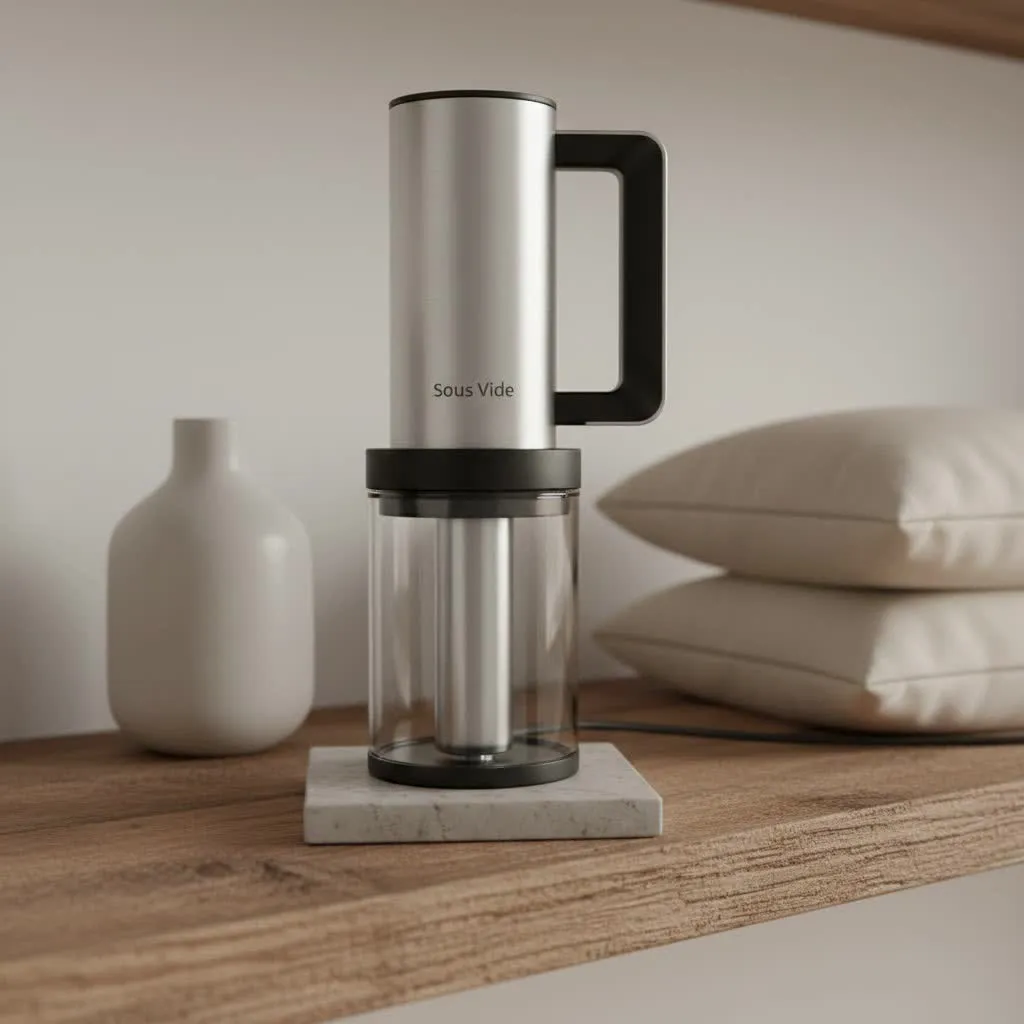
In this comprehensive guide, we’ll dive deep into the fascinating realm of sous vide, with a particular focus on the sous vide water oven. We’ll explore what it is, how it stacks up against other sous vide devices, and how to harness its power to elevate your cooking to new heights.
What is Sous Vide?
Sous vide, French for “under vacuum,” is a cooking method where food is sealed in an airtight bag and immersed in a precisely temperature-controlled water bath. This gentle, consistent heat ensures that food cooks evenly from edge to edge, achieving perfect doneness without the risk of overcooking. The technique has been a staple in high-end restaurants for decades, valued for its ability to deliver unparalleled consistency, enhanced flavor, and superior texture.
The history of sous vide traces back to the mid-1970s, pioneered by French chefs like Georges Pralus, who used it to cook foie gras with reduced shrinkage. Over time, advancements in technology have made this once-exclusive technique accessible to the home kitchen, with various devices now available to bring precision cooking into everyday life.
The primary advantage of sous vide is its unwavering precision. Unlike traditional cooking methods that expose food to fluctuating temperatures, a sous vide system maintains a steady water temperature, ensuring your food never exceeds the desired internal doneness. This results in consistent texture and moisture retention that is hard to achieve otherwise. On the flip side, sous vide typically requires longer cooking times compared to conventional methods, and an additional finishing step, like searing, is often needed for desired browning.
Sous Vide Water Oven: The Integrated Approach
A sous vide water oven, often referred to simply as a water bath unit, is a self-contained countertop appliance specifically designed for sous vide cooking. These units typically resemble a slow cooker or a small microwave, featuring an insulated basin with a built-in heating element and a control panel.
Historically, these integrated water ovens were among the first consumer-friendly sous vide devices to emerge, bringing the professional technique into home kitchens in a more accessible format than bulky laboratory equipment. Their design offers a certain level of convenience, as they are all-in-one units that don’t require you to find a separate pot or container. They also usually come with a lid, which helps to reduce water evaporation during long cooking sessions and provides better insulation, potentially saving a bit of energy.
However, the defining characteristic of many traditional sous vide water ovens is that they often do not actively circulate the water. This lack of circulation can be a significant drawback. Without a mechanism to move the water around, hot and cold spots can develop within the bath, leading to uneven cooking temperatures and, consequently, inconsistent results for your food. While some commercial-grade water baths may include stirring mechanisms, most home-use water ovens rely solely on convection for heat distribution, which isn’t always sufficient. Furthermore, these units tend to be bulkier than their immersion circulator counterparts, occupying more precious countertop and storage space, and can often come with a higher price tag.
Immersion Circulators: The Modern Standard
In contrast to the integrated water oven, an immersion circulator is a compact, stick-shaped device that clamps onto the side of almost any pot or container you already own. These innovative tools represent the modern standard for home sous vide cooking, championed by brands like Anova and Breville Joule.
Immersion circulators work by heating the water and, crucially, circulating it continuously around the container. This constant movement of water eliminates hot and cold spots, ensuring that the entire water bath maintains an incredibly precise and even temperature down to a fraction of a degree. This consistent heat distribution is paramount for achieving the hallmark edge-to-edge perfection that sous vide is known for.
The benefits of immersion circulators are manifold. Their compact size makes them easy to store, and their versatility allows them to be used with various container sizes, from small stockpots for individual meals to large insulated coolers for batch cooking or entertaining. They are generally more affordable than integrated water ovens, making sous vide more accessible to a wider audience. The main “con” is that you need to supply your own water bath container, and for longer cooks, covering the container is important to prevent excessive water evaporation.
Sous Vide Water Oven vs. Immersion Circulator: A Comparative Look
Choosing between a sous vide water oven and an immersion circulator often comes down to personal priorities regarding kitchen space, budget, and desired precision. Here’s a comparative breakdown to help you decide:
| Feature | Sous Vide Water Oven (Integrated Unit) | Immersion Circulator (Stick Style) |
|---|---|---|
| Design | All-in-one, self-contained unit, often resembles a slow cooker. | Compact, stick-shaped device that clamps onto external containers. |
| Water Circulation | Generally does not circulate water, leading to potential hot/cold spots. | Actively circulates water for highly consistent temperature throughout. |
| Temperature Control | Can be precise, but lack of circulation may compromise consistency with food loads. | Highly precise and consistent due to active circulation. |
| Size & Storage | Bulky, takes up significant countertop and storage space. | Space-saving, can be stored in a drawer, uses existing kitchen pots. |
| Versatility | Limited to the capacity of the built-in reservoir. | Highly versatile, can adapt to various container sizes for different needs. |
| Cost | Generally higher initial investment. | Typically more affordable, offering a lower entry barrier. |
| Evaporation | Built-in lid helps minimize water loss. | Requires a separate lid or cover (e.g., foil, plastic wrap) for long cooks. |
| Best Use Case | Ideal for those who prefer an all-in-one appliance and value simplicity over absolute temperature consistency. | Best for those prioritizing precise temperature control, versatility, and minimal storage. |
The crucial difference lies in water circulation. An immersion circulator’s ability to constantly move water ensures that every part of your sealed food parcel experiences the exact same temperature, leading to truly perfect and consistent results that are difficult to match with non-circulating water ovens.
Essential Equipment for Any Sous Vide Setup
Regardless of whether you choose an integrated water oven or an immersion circulator, certain core pieces of equipment are necessary for a successful sous vide experience:
- Sous Vide Device: Your chosen tool for heating and maintaining water temperature.
- Water Container/Bath: For immersion circulators, this can be any large pot, stockpot, or a dedicated polycarbonate sous vide container. For water ovens, this is the integrated reservoir. Ensure your container is deep enough for the food to be fully submerged without the water level falling below the device’s minimum fill line.
- Vacuum Sealing Equipment: This is fundamental to “sous vide” (under vacuum).
- Vacuum Sealer and Bags: Provides the most secure seal, ideal for long cooks and batch preparation. Look for BPA-free bags designed for sous vide.
- Water Displacement Method: A cost-effective alternative using heavy-duty Ziploc-style freezer bags. Slowly submerge the bag with food into water, allowing the water pressure to force air out before sealing the top just above the waterline.
- Reusable Silicone Bags: An eco-friendly option that works well with the water displacement method.
- Accessories:
- Racks or Weights: To keep food submerged in the water bath.
- Lid/Cover: Especially important for immersion circulators to prevent water evaporation during extended cooking times. A dedicated lid, foil, or even plastic wrap can work.
- Clips: To secure bags to the side of the container (useful for water displacement method).
Getting Started with Your Sous Vide Water Oven (or Setup)
Embarking on your sous vide journey is simpler than you might think. Here’s a step-by-step guide for beginners:
- Prepare Your Food: Season your protein, vegetables, or other ingredients as desired. For meats, a simple salt and pepper rub is often all you need, as sous vide locks in natural flavors. You can add herbs, garlic, or butter to the bag for infusion.
- Seal the Food: Place your prepped food into a vacuum-sealable bag or a heavy-duty freezer bag. If using a vacuum sealer, ensure a tight seal. If using the water displacement method, slowly submerge the bag, pressing out as much air as possible before sealing.
- Set Up Your Water Bath: Fill your sous vide water oven’s reservoir or your chosen container (for an immersion circulator) with water. Ensure there’s enough water to fully submerge your food, but not so much that it overflows when food is added.
- Set Temperature and Time: Consult a reliable sous vide temperature and time chart for your specific food item and desired doneness. Set your sous vide device to the precise temperature. For example, a medium-rare steak is typically cooked around 130°F (54°C). The cooking time will depend on the thickness of your food.
- Immerse and Cook: Once the water reaches the target temperature, gently lower your sealed food bags into the water bath, ensuring they are fully submerged. If using an immersion circulator, you can place a lid or cover on the container to reduce evaporation.
- Monitor (Optional but Recommended): While sous vide is hands-off, checking the water level occasionally during very long cooks (especially with immersion circulators) is a good practice to prevent the device from running dry.
- Finish Your Dish: Once the cooking time is complete, remove the food from the water bath. For most meats and some vegetables, a quick sear in a hot pan, on a grill, or with a blowtorch will create a delicious, browned crust (Maillard reaction). This step is crucial for enhancing flavor and texture.
Tips for Successful Sous Vide Cooking
- Choose the Right Temperature and Time: Precision is key. Always follow recommended guidelines for food safety, especially for poultry and eggs. Remember that cooking time primarily relates to thickness, not weight.
- Prevent Floating: If your food bags float, use sous vide racks, ceramic plates, or specialized weights to keep them fully submerged. This ensures even cooking.
- Mind Your Marinades: While you can add marinades or liquids to your sous vide bags, be cautious with vacuum sealing, as liquids can be sucked into the sealer. Freezing liquids into cubes before bagging can solve this.
- Pat Dry Before Searing: For a perfect crust, always remove food from the bag and thoroughly pat it dry with paper towels before searing. Excess moisture will steam rather than brown.
- Clean Your Device: Regular cleaning of your sous vide water oven or immersion circulator will ensure longevity and optimal performance. For immersion circulators, this often involves simply removing and cleaning the skirt around the heating element.
Buying Guide: Choosing Your Ideal Sous Vide Device
When investing in a sous vide device, consider these factors:
- Identify Your Needs:
- Space: Do you have ample counter space for a bulky water oven, or do you prefer a compact immersion circulator that stores easily?
- Budget: Immersion circulators are generally more entry-level friendly, while water ovens can be a more significant investment.
- Cooking Volume: How much food do you typically cook? An immersion circulator with a large container offers more flexibility.
- Look for Key Features:
- Power (Wattage): Higher wattage generally means faster heating and better temperature recovery.
- Temperature Accuracy: Look for devices that maintain temperature within 0.1°F/°C.
- Connectivity (Wi-Fi/Bluetooth): Many immersion circulators offer app control for remote monitoring and recipe guidance.
- Capacity: For water ovens, consider the internal volume. For circulators, consider the maximum water volume they can effectively heat.
- Noise Level: Some circulators are quieter than others.
- Read Reviews: Customer reviews and expert comparisons (like those from reputable culinary sites) offer invaluable insights into real-world performance and reliability.
- Consider Brands: Popular immersion circulator brands include Anova and Breville Joule. For integrated water ovens, Sous Vide Supreme used to be prominent, but the market has largely shifted.
Delicious Dishes to Craft with Sous Vide
The versatility of sous vide means you can elevate almost any dish:
- Sous Vide Steak: Achieve perfect medium-rare from edge to edge, then finish with a quick sear for an incredible crust.
- Sous Vide Chicken Breast: Say goodbye to dry chicken. Sous vide yields incredibly juicy, tender chicken every time.
- Sous Vide Salmon: Flaky, moist, and cooked to perfection, often in under an hour.
- Sous Vide Eggs: From perfectly runny yolks for eggs Benedict to creamy soft-boiled, precise temperature control transforms eggs.
- Sous Vide Vegetables: Enhance their natural sweetness and maintain a vibrant, crisp-tender texture.
- Sous Vide Desserts: Custards, cheesecakes, and even infused spirits benefit from the gentle, consistent heat.
Conclusion
The sous vide water oven and its more popular cousin, the immersion circulator, have democratized a cooking technique once reserved for elite kitchens. While the integrated sous vide water oven offers a self-contained solution, the immersion circulator often provides superior temperature consistency through active circulation, alongside greater versatility and space-saving benefits.
Embracing sous vide cooking means unlocking a new level of culinary precision, guaranteeing perfectly cooked, tender, and flavorful meals with minimal effort. It’s a method that builds confidence in the kitchen and delivers professional-grade results consistently.
Are you ready to transform your cooking and impress your guests with perfectly prepared dishes every single time?
Frequently Asked Questions
Is a sous vide water oven better than an immersion circulator?
|
Our Picks for the Best Sous Vide in 2026
As an Amazon Associate I earn from qualifying purchases.
|
||
| Num | Product | Action |
|---|---|---|
| 1 | Greater Goods Digital Food Scale for Kitchen & Baking, 10kg/22lb High-Capacity Weight Scale with 1g Precision, Stainless Steel Platform, Hi-Def LCD, Ideal for Bread, Sourdough & Bulk Cooking |

|
| 2 | Anova Culinary Sous Vide Precision Cooker Mini, 850 Watts, Black and Orange, App Enabled, 2024 Model |
|
| 3 | INKBIRD WIFI Sous Vide Cooker ISV-100W, 1000 Watts Sous Vide Machine Immersion Circulator with 14 Preset Recipes on APP & Calibration Function, Thermal Immersion, Fast-Heating with Timer |
|
| 4 | Anova Culinary Sous Vide Precision Cooker 3.0 (WiFi), 1100 Watts |
|
| 5 | Greater Goods Kitchen Sous Vide Machine - Precision Cooker, Immersion Circulator, Brushless Motor, 1100 Watts (Onyx Black) |
|
| 6 | Anova Culinary Sous Vide Precision Cooker Pro, 1200 Watts, Black and Silver |
|
| 7 | Sous Vide Machine,1300 Watts, Immersion Circulators, Sous Vide Precision Cooker, Steak Cooker, Temperature and Time Digital Display Control, Ultra-Quiet,Fast-Heating,Easy to store,IPX7 Waterproof |
|
| 8 | Sous Vide Machines, Sous Vide Cooker, 1000 Watts Immersion Circulators with Recipe, Accurate Temperature and Time Control |
|
| 9 | Anova Culinary Sous Vide Precision Cooker Nano 2.0 |
|
| 10 | Sous Vide, Wancle Sous Vide Cooker 1100W IPX7 Waterproof Thermal Immersion Circulator With Reservation Function, Easy to store |
|
For most home cooks seeking maximum precision and consistency, an immersion circulator is generally considered superior due to its active water circulation, which eliminates hot and cold spots. While water ovens are self-contained, many lack this crucial circulation feature.
Can I use a regular pot with a sous vide water oven?
No, a sous vide water oven is an all-in-one unit with its own integrated water reservoir. You would use a regular pot with an immersion circulator, which clamps onto the side of your existing cookware.
What are the main disadvantages of a sous vide water oven?
The primary disadvantages of traditional sous vide water ovens include their bulkier size, higher cost, and crucially, the lack of active water circulation, which can lead to uneven temperature distribution and less consistent cooking results compared to immersion circulators.
