Have you ever dreamt of consistently creating restaurant-quality meals in your own kitchen? Imagine a cooking method that guarantees perfectly tender steak, succulent chicken, and vibrant vegetables every single time, without the stress of overcooking. This dream becomes a delicious reality with a sous vide kit, a revolutionary approach that transforms everyday home cooking into an art of precision and flavor. Whether you’re a seasoned chef or a curious beginner, diving into the world of sous vide can elevate your culinary skills and bring unparalleled consistency to your dishes.
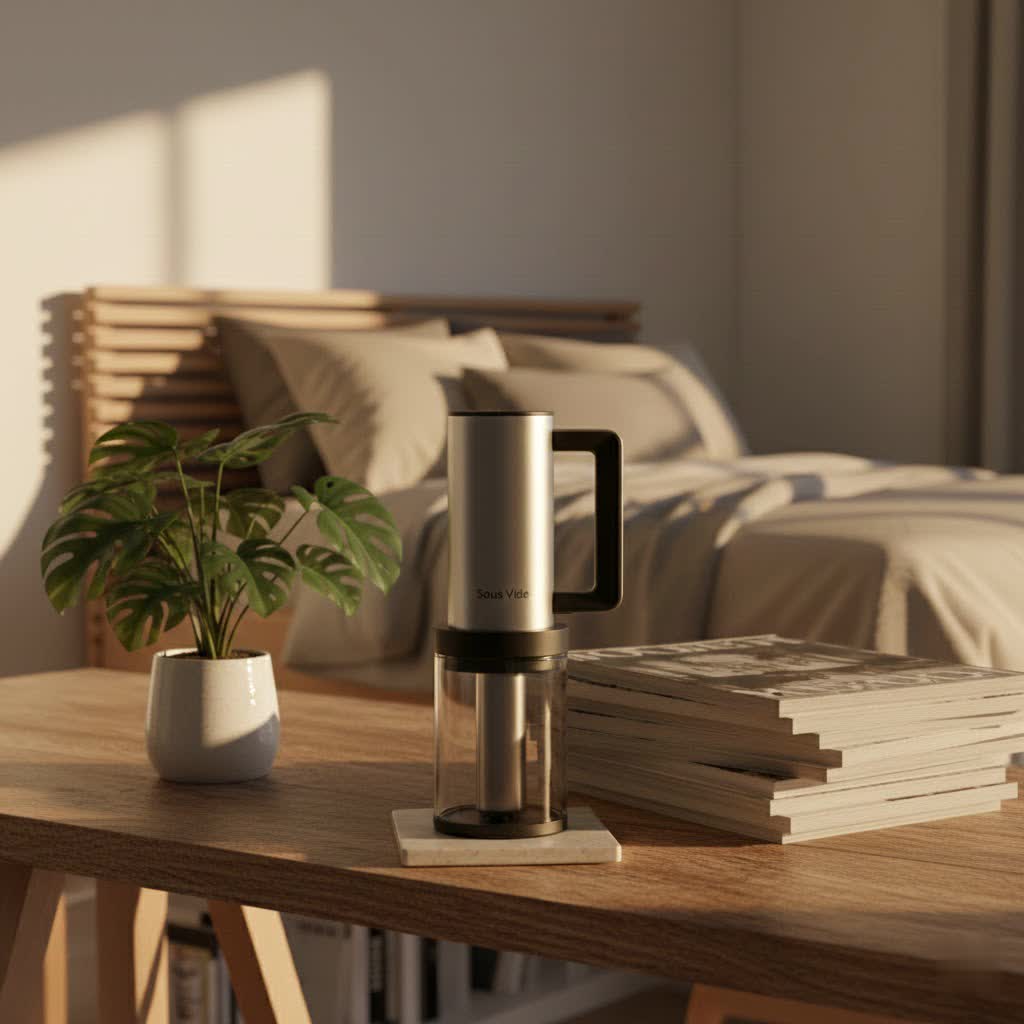
What is Sous Vide Cooking?
Sous vide, a French term meaning “under vacuum,” is a cooking technique where food is sealed in a bag and then immersed in a precisely temperature-controlled water bath. Unlike traditional cooking methods that rely on variable heat, sous vide cooks food gently and evenly from edge to edge, ensuring perfect doneness throughout. This method, which originated in professional kitchens in the 1970s, has increasingly found its way into home kitchens, celebrated for its foolproof results and exceptional quality.
Historically, sous vide was a complex technique primarily used by high-end restaurants to achieve consistent perfection. However, advances in technology have made compact, affordable immersion circulators widely available, democratizing this once-exclusive cooking method. This evolution has transformed sous vide into an accessible tool for home cooks seeking to refine their culinary craft and guarantee optimal results.
The primary advantage of sous vide is its unmatched precision, which virtually eliminates the risk of overcooking. Because the food cannot get hotter than the water bath, it cooks to the exact desired temperature without fear of drying out or becoming tough. While the cooking times might be longer than conventional methods, the hands-off nature and superior results make it a worthwhile investment for any home chef.
The Undeniable Benefits of Cooking with a Sous Vide Kit
Embracing a sous vide kit unlocks a world of culinary advantages that go beyond mere convenience. This method elevates the quality of your food, making every meal a consistent delight.
First and foremost, sous vide guarantees perfect, consistent doneness from edge to edge. Say goodbye to overcooked exteriors and undercooked centers; a steak, for example, will be perfectly medium-rare throughout, yielding an incredibly tender texture that’s hard to achieve otherwise. This precision allows you to replicate your favorite dishes with exactitude every time.
Another significant benefit is the remarkable ability to retain flavor and maximum nutrients. Since food is cooked in sealed bags, its natural juices, aromas, and delicate nutrients are locked in, rather than escaping into the cooking water or evaporating into the air. This results in more flavorful, moist, and nutritious meals that truly highlight the quality of your ingredients.
Sous vide cooking also offers surprising time and effort saving. While individual cook times can be longer, the process is largely hands-off. You can set the water bath and leave it to work its magic, freeing you to focus on other tasks or enjoy your time. Many also use sous vide for meal prepping, cooking ingredients in advance and then quickly finishing them when ready to serve.
Finally, a sous vide kit expands your culinary creativity. From perfectly poached eggs and delicate fish to tender meats, custards, and even infused spirits, sous vide opens up possibilities for dishes you might have thought were beyond your home kitchen’s capabilities. It empowers you to experiment with new textures and flavor profiles, pushing the boundaries of your cooking.
Essential Components of a Sous Vide Kit
To embark on your sous vide journey, you’ll need a few key pieces of equipment. A basic sous vide kit typically includes these core items, with additional accessories enhancing convenience and expanding capabilities.
At the heart of any sous vide setup is the immersion circulator, often simply called a sous vide machine or stick. This device clips onto the side of a container and precisely heats and circulates water to maintain a constant temperature. When choosing an immersion circulator, consider its wattage (higher wattage typically heats water faster), connectivity (Wi-Fi or Bluetooth for app control offers remote monitoring and recipe guidance), and whether it has an onboard display for manual operation. Popular brands like Anova, Breville Joule, and Inkbird offer models ranging from entry-level to professional-grade, each with varying features and price points.
Next, you’ll need a suitable water bath or container. This can be as simple as a large stockpot you already own, or you can invest in a dedicated sous vide container made from polycarbonate. The container needs to be large enough to comfortably hold your food with plenty of room for water circulation and for your immersion circulator to fit securely. Many cooks prefer clear containers to easily monitor the cooking process. Using a lid or even aluminum foil to cover the container is recommended to minimize water evaporation during longer cooking sessions.
To keep your food separate from the water bath, sealable bags are indispensable. For beginners or short cooks, high-quality freezer-safe zip-top bags can work effectively using the water displacement method (submerging the bag in water to force air out before sealing). However, for longer cooks or more advanced preparation, dedicated vacuum seal bags are superior. These bags are designed to withstand prolonged heat exposure and provide a tighter, more reliable seal, preventing food from floating.
While not strictly essential for every cook, a vacuum sealer is a highly recommended accessory for any serious sous vide enthusiast. A dedicated vacuum sealer efficiently removes air from the food bags, creating a perfect vacuum seal that prevents floating and ensures optimal heat transfer. Brands like Anova and FoodSaver offer reliable vacuum sealers that significantly improve your sous vide experience, making it easier and more consistent.
Other supporting accessories that can enhance your sous vide kit include racks or weights to ensure food remains fully submerged, especially when cooking multiple items; a kitchen torch for achieving a perfect sear and crust on meats after they come out of the water bath; and even a smoking gun to infuse delicate smoky flavors. These additions, while optional, contribute to a more versatile and refined sous vide cooking experience.
Getting Started with Your Sous Vide Kit: A Beginner’s Guide
Diving into sous vide cooking might seem intimidating, but with a basic understanding of the process, you’ll be creating culinary masterpieces in no time. Here’s a simple, step-by-step guide to get you started with your sous vide kit.
First, prepare your food. This involves seasoning your ingredients as desired, whether it’s a simple salt and pepper rub for a steak or a more elaborate marinade for chicken. You can add herbs, spices, or aromatics directly into the bag with your food to infuse flavors during cooking.
Next, you need to seal your food in a bag. If you have a vacuum sealer, place your seasoned food inside a vacuum seal bag and use the machine to remove all the air and create a tight seal. If you’re using a zip-top freezer bag, employ the water displacement method: slowly lower the bag into a pot of water, allowing the water pressure to push the air out, then seal the bag just above the waterline. The goal is to remove as much air as possible to ensure even cooking and prevent floating.
Once your food is bagged, it’s time to set up your water bath. Fill your container with water and attach your immersion circulator. Consult your recipe for the recommended temperature and time, then set your circulator accordingly. For example, a medium-rare steak might cook at 130°F (54°C) for 1-2 hours. Allow the water bath to reach the target temperature before adding your food.
Submerge the sealed food into the preheated water bath. Ensure the bag is fully immersed; if it floats, you might need to use a rack, clips, or a weighted object to keep it down. The immersion circulator will then maintain the precise temperature for the specified duration, gently cooking your food to perfection. This is largely a hands-off period, allowing you to attend to other tasks.
Finally, finish your dish. Once the sous vide cooking time is complete, carefully remove the food from the bag. While the food is perfectly cooked and tender, it won’t have the appealing browned crust that many dishes require. This is where finishing comes in: quickly sear meats in a scorching-hot pan, grill them, or use a kitchen torch to develop a beautiful maillard reaction and add textural contrast. Patting the food thoroughly dry before searing is crucial for achieving a superior crust.
Comparing Popular Sous Vide Kits & Immersion Circulators
The market for sous vide equipment has grown significantly, offering a range of choices for every budget and skill level. Understanding the differences between popular models can help you choose the best sous vide kit for your needs.
Here’s a comparison of some leading immersion circulators:
| Brand/Model | Price Range (Approx.) | Wattage | Connectivity | Key Features | Pros | Cons |
|---|---|---|---|---|---|---|
| Anova Precision Cooker | $100 – $200 | 800-1200W | Wi-Fi/Bluetooth | App control, onboard display, adjustable clamp | User-friendly, good precision, robust app, various models | Some models can be bulky, app reliance for advanced features |
| Breville Joule Turbo | $200 – $250 | 1100W | Wi-Fi/Bluetooth | Compact design, magnetic base, fast heating | Very compact, powerful, sleek design, quick heating | No onboard display (app-only control), higher price point |
| Inkbird Sous Vide Cooker | $60 – $100 | 1000W | Wi-Fi/Bluetooth | Onboard display, budget-friendly | Excellent value, decent precision, often quiet | App can be less refined than competitors, slower heating |
| Instant Accu Slim | $80 – $120 | 800W | None/Bluetooth | Compact, simple controls | Very affordable, easy to use, great for beginners | Lower wattage, less advanced features/connectivity |
When choosing your immersion circulator, consider your budget and how frequently you plan to use it. Beginners might start with a more affordable model like the Instant Accu Slim or Inkbird, which offer excellent basic functionality. If you value advanced features, remote monitoring, and a more refined user experience, investing in an Anova or Breville Joule might be worthwhile.
Wattage directly impacts heating speed, especially for larger water baths. Higher wattage means quicker preheating. Connectivity is a personal preference; app control offers convenience and recipe guidance, but some users prefer physical buttons. Lastly, size and design can matter for storage and aesthetics in your kitchen.
Tips and Tricks for Sous Vide Success
Mastering sous vide goes beyond just owning a kit; a few expert tips can elevate your results and make the experience even more rewarding.
One crucial aspect is choosing the right temperature and time for various foods. While general guidelines exist, experimenting to find your personal preference for doneness is key. Delicate items like fish or eggs require precise timing to avoid textural changes, whereas tougher cuts of meat can benefit from longer cook times at lower temperatures to tenderize them. Always refer to reliable sous vide charts or recipes as a starting point.
You might encounter a few common issues, such as floating bags. This often indicates air trapped inside. Ensure you remove as much air as possible during the sealing process. If bags still float, use a heavy plate, a specialized sous vide rack, or even metal binder clips with a weight to keep them fully submerged. Another common issue is water evaporation during long cooks. To combat this, always cover your water bath with its lid, plastic wrap, or a layer of ping-pong balls.
Proper maintenance and cleaning of your sous vide equipment will ensure its longevity. After each use, wipe down your immersion circulator and dry it thoroughly. Periodically, you may need to descale the heating coil using a vinegar solution to remove mineral buildup, especially if you have hard water. This keeps your device running efficiently and accurately.
Finally, don’t shy away from simple yet delicious sous vide recipes to build your confidence. Start with classics like perfectly cooked steak, chicken breast, or salmon. Once you master these, explore more adventurous dishes like tender pork chops, juicy burgers, or even infused oils and custards.
Your Comprehensive Sous Vide Kit Buying Guide
Investing in a sous vide kit is an exciting step for any home cook. To ensure you make the best choice, consider these factors when building or purchasing your setup.
First, assess your usage needs and budget. Are you a complete beginner looking to try out the method, or do you plan to use sous vide frequently for advanced cooking? Your answer will guide whether you opt for a basic, affordable circulator with essential components or a more feature-rich, higher-end model with all the accessories. Remember, you can always upgrade individual components later.
Next, research the essential features of immersion circulators. Look for precision (how accurately it maintains temperature, ideally within 0.1°F/0.05°C), power (wattage affects how quickly it heats and recovers temperature), and connectivity options (Wi-Fi for remote control and recipe libraries, or Bluetooth for closer-range control). Some circulators offer onboard displays, which can be useful if you prefer not to rely solely on a smartphone app.
Compare different brands and models based on reliability, customer reviews, and warranty. Anova, Breville Joule, and Inkbird are consistently top-rated brands known for their performance and innovation. Read reviews from other users to get real-world insights into a product’s pros and cons.
Finally, purchase your sous vide kit from reputable retailers. This ensures you receive authentic products, valid warranties, and reliable customer support. Many kitchenware stores, electronics retailers, and online marketplaces offer a wide selection of sous vide equipment. Consider bundled starter kits if you’re looking for an all-in-one solution to save money and ensure compatibility between components.
Delicious Dishes You Can Create with a Sous Vide Kit
One of the most exciting aspects of owning a sous vide kit is the incredible array of dishes you can prepare with unparalleled results. The precision of sous vide transforms everyday ingredients into extraordinary meals.
Sous Vide Beef is arguably the most popular application. Whether it’s a tender ribeye, a lean sirloin, or a hearty chuck roast, sous vide guarantees a perfect medium-rare (or your preferred doneness) from edge to edge, yielding incredibly juicy and tender results every time. A quick sear after the water bath creates that coveted crispy crust.
For poultry, Sous Vide Chicken breast or thighs remain incredibly moist and flavorful, avoiding the common pitfalls of dry or tough chicken. The even cooking ensures perfect texture, making it ideal for meal prep or weeknight dinners.
Sous Vide Salmon and other delicate fish maintain their flaky texture and natural moisture, as the gentle cooking prevents overcooking that can quickly dry out seafood in traditional methods. Infuse flavors with herbs and citrus directly in the bag for an aromatic dish.
Breakfast gets an upgrade with Sous Vide Eggs, which can be cooked to various consistencies, from perfectly jammy yolks ideal for toast to fluffy, custardy eggs for breakfast sandwiches.
Even Sous Vide Vegetables benefit from this method, emerging tender-crisp with vibrant colors and concentrated flavors, as their nutrients don’t leach into boiling water. Root vegetables like carrots or potatoes, and greens like asparagus, become wonderfully tender yet firm.
Conclusion
Embracing a sous vide kit is more than just adopting a new cooking method; it’s an investment in culinary consistency, elevated flavor, and peace of mind in the kitchen. From ensuring perfectly cooked steaks and succulent chicken to preserving vital nutrients and exploring new textures, sous vide empowers you to achieve professional-grade results with remarkable ease. This hands-off technique simplifies meal preparation, broadens your recipe repertoire, and consistently delivers dishes that truly impress. With the right immersion circulator, a suitable water bath, and reliable bags, you’re set to transform your cooking. What delicious sous vide masterpiece will you create first?
Frequently Asked Questions
What exactly is included in a basic sous vide starter kit?
|
Our Picks for the Best Sous Vide in 2026
As an Amazon Associate I earn from qualifying purchases.
|
||
| Num | Product | Action |
|---|---|---|
| 1 | Greater Goods Digital Food Scale for Kitchen & Baking, 10kg/22lb High-Capacity Weight Scale with 1g Precision, Stainless Steel Platform, Hi-Def LCD, Ideal for Bread, Sourdough & Bulk Cooking |

|
| 2 | Greater Goods Kitchen Sous Vide Machine - Precision Cooker, Immersion Circulator, Brushless Motor, 1100 Watts (Onyx Black) |
|
| 3 | Anova Culinary Sous Vide Precision Cooker Pro, 1200 Watts, Black and Silver |
|
| 4 | Anova Culinary Sous Vide Precision Cooker 3.0 (WiFi), 1100 Watts |
|
| 5 | Sous Vide Machine,1300 Watts, Immersion Circulators, Sous Vide Precision Cooker, Steak Cooker, Temperature and Time Digital Display Control, Ultra-Quiet,Fast-Heating,Easy to store,IPX7 Waterproof |
|
| 6 | Anova Culinary Sous Vide Precision Cooker Nano 2.0 |
|
| 7 | Sous Vide Machines, Sous Vide Cooker, 1000 Watts Immersion Circulators with Recipe, Accurate Temperature and Time Control |
|
| 8 | Anova Culinary Sous Vide Precision Cooker Mini, 850 Watts, Black and Orange, App Enabled, 2024 Model |
|
| 9 | INKBIRD WIFI Sous Vide Cooker ISV-100W, 1000 Watts Sous Vide Machine Immersion Circulator with 14 Preset Recipes on APP & Calibration Function, Thermal Immersion, Fast-Heating with Timer |
|
| 10 | Sous Vide, Wancle Sous Vide Cooker 1100W IPX7 Waterproof Thermal Immersion Circulator With Reservation Function, Easy to store |
|
A basic sous vide starter kit typically includes an immersion circulator (the machine that heats and circulates water), and often a handful of sealable bags. Many beginners use their own large pot as a water bath. Some comprehensive kits might also include a specialized container or a basic hand pump for vacuum sealing.
Do I need a vacuum sealer for sous vide cooking?
While a vacuum sealer is highly recommended for optimal results, especially for longer cooks, it’s not strictly necessary to start. You can use the “water displacement method” with high-quality zip-top freezer bags to remove air, which works well for many shorter sous vide recipes.
How long does sous vide cooking take compared to traditional methods?
Sous vide generally takes longer than traditional cooking methods because it uses lower, more precise temperatures. For example, a steak might cook for 1-2 hours sous vide compared to 10-15 minutes pan-searing. However, the cooking time is largely hands-off, and the results are consistently superior.
Can I use any pot for sous vide, or do I need a special container?
You can use almost any large pot or heat-safe container you already own for sous vide, as long as it’s deep enough for your immersion circulator and can hold sufficient water to cover your food. Many users opt for clear polycarbonate containers to easily monitor the cooking process.
Is sous vide cooking safe?
Yes, sous vide cooking is very safe when done correctly. The precise temperature control ensures food reaches and holds safe temperatures, eliminating guesswork. It’s crucial to follow recommended time and temperature guidelines for different food types to prevent bacterial growth and ensure food safety.
What are the best foods to start with when using a sous vide kit?
Excellent foods to start with include steak (e.g., sirloin, ribeye), chicken breast, pork chops, and salmon. These proteins showcase the benefits of sous vide incredibly well, consistently yielding tender, juicy, and perfectly cooked results that build confidence for more adventurous recipes.
How do I finish food after sous vide cooking?
After cooking sous vide, food is fully cooked but lacks a browned, crispy crust. The most common finishing methods involve searing it in a very hot pan (cast iron works great), grilling it, or using a kitchen torch for a minute or two on each side. Patting the food dry beforehand is essential for a good sear.
