Have you ever wondered how top chefs consistently achieve perfectly cooked dishes, tender from edge to edge with unparalleled flavor? The secret often lies in a powerful yet simple kitchen tool: the sous vide immersion circulator, often affectionately called a “Sous Vide Wand.” This revolutionary cooking method, once exclusive to professional kitchens, is now more accessible than ever, promising restaurant-quality results in your own home. Let’s dive into the fascinating world of sous vide and discover how this precision device can transform your culinary journey.
What is Sous Vide?
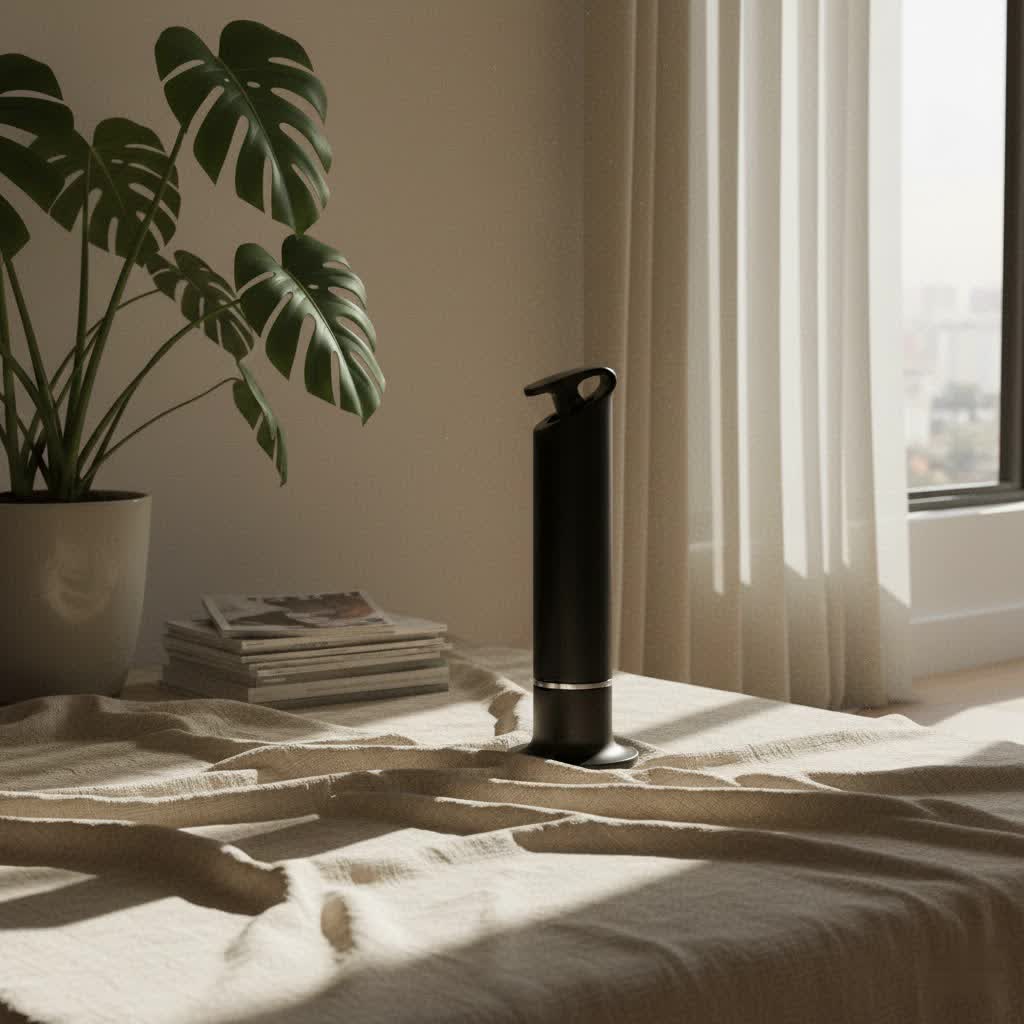
At its core, sous vide, a French term meaning “under vacuum,” refers to a cooking technique where food is sealed in a vacuum-safe bag and then cooked in a precisely temperature-controlled water bath. The sous vide wand, or immersion circulator, is the device that makes this possible. It’s a compact, stick-like appliance equipped with a heating element, a thermostat for precise temperature control, and a pump that circulates the water. This ensures the water bath maintains an exact, consistent temperature, cooking your food gently and evenly without any hot or cold spots.
The history of sous vide dates back to the 1970s, with French chef Georges Pralus often credited for its refinement. He discovered that cooking foie gras sous vide resulted in a significantly better texture and less loss of product. Over the decades, the technique evolved, becoming a staple in professional kitchens due to its incredible precision and consistent results.
The advantages of using a sous vide wand are numerous, revolutionizing how we approach cooking. It eliminates the guesswork, ensures food is cooked perfectly every time, and enhances both flavor and texture. While there are few drawbacks, such as the initial time investment for some dishes or the need for a finishing sear, the benefits far outweigh them for anyone seeking culinary excellence.
Benefits of Cooking with a Sous Vide Immersion Circulator
The sous vide method offers a distinct set of advantages that elevate cooking to a new level of precision and enjoyment.
-
Ensures Perfect and Consistent Doneness: This is arguably the biggest draw of sous vide. By cooking food to a precise internal temperature and holding it there, the immersion circulator prevents overcooking. Your steak will be perfectly medium-rare from edge to edge, chicken breast will be juicy and tender, and fish will flake beautifully, every single time. There’s no more guessing or cutting into your food to check for doneness.
-
Maximizes Flavor and Nutrient Retention: When food is cooked in a vacuum-sealed bag, all the natural juices, marinades, herbs, and spices are locked in. Unlike traditional cooking methods where moisture and flavor can evaporate, sous vide cooking concentrates these elements, resulting in intensely flavorful and moist dishes. Furthermore, the low, controlled temperatures help preserve delicate vitamins and nutrients that might be lost with higher heat cooking.
-
Offers Time and Effort Savings: While some sous vide cooks can be lengthy, the method offers incredible flexibility. It’s largely a “set it and forget it” process. Once your food is in the water bath, you don’t need to constantly monitor it. This frees you up to prepare side dishes, entertain guests, or simply relax. For instance, a steak can remain in the water bath at its target temperature for an extended period without degrading in quality, giving you a generous window for perfect timing.
-
Expands Culinary Creativity: Sous vide isn’t just for steaks. It opens up a world of possibilities for experimenting with different textures and flavors. From perfectly poached eggs to infused oils, tender vegetables, and even desserts like custards, the precise temperature control allows you to achieve results that are difficult, if not impossible, with conventional cooking methods. You can transform tougher, less expensive cuts of meat into incredibly tender, gourmet dishes.
Essential Equipment for Sous Vide Cooking
To embark on your sous vide journey, you’ll need a few key pieces of equipment. The beauty of the immersion circulator is its adaptability, allowing you to use many items you likely already own.
-
Immersion Circulator (Sous Vide Wand): This is the heart of your setup. It’s a standalone device that clamps onto the side of almost any pot or container. Key features to look for include:
- Power/Wattage: Higher wattage generally means faster heating and better temperature recovery, especially for larger water baths or when adding cold food. Models typically range from 800W to 1200W.
- Temperature Control and Accuracy: Look for models with precise temperature settings (e.g., 0.1°F/0.1°C increments) and reliable accuracy.
- Connectivity: Many modern wands offer Bluetooth or Wi-Fi connectivity, allowing you to control and monitor cooking from your smartphone via an app. Some also have onboard displays and controls for manual operation.
- Durability and Design: Consider ease of cleaning, quiet operation, and overall build quality. Popular brands include Anova, Breville Joule, and Inkbird.
-
Pot or Water Bath Container: You’ll need a vessel to hold the water and your food.
- Size and Material: A large stockpot or Dutch oven you already own often works perfectly for smaller cooks. For larger quantities or longer cooks, a dedicated polycarbonate container (often called a Cambro container) with a lid is ideal. These are transparent, durable, and good insulators. Avoid Styrofoam coolers, as they can absorb water.
- Lid: A lid (or even plastic wrap) is crucial, especially for longer cooks, to minimize water evaporation and help maintain a consistent temperature, thus reducing energy consumption. Many polycarbonate containers have custom-fitted lids with a cutout for the circulator.
-
Vacuum Seal Bags and Vacuum Sealer: Sealing your food is fundamental to sous vide.
- Bags: Food-grade, BPA-free vacuum sealer bags or heavy-duty zipper-lock freezer bags are necessary. Thinner bags may compromise their seal during longer cooks.
- Vacuum Sealer: For optimal results and convenience, a dedicated vacuum sealer is highly recommended. It efficiently removes air, ensuring maximum contact between the food and the water, and preventing bags from floating.
- Water Displacement Method: If you don’t have a vacuum sealer, you can use the water displacement method with zipper-lock bags. Slowly lower the bag (with food inside) into the water bath, allowing the water pressure to push the air out before sealing the zipper just above the waterline.
-
Supporting Accessories:
- Racks or Weights: To prevent bags from floating and ensure even cooking, racks (like a plate holder) or simple weights (such as ceramic pie weights or even heavy spoons placed in the bag) can be used to keep food submerged.
- Binder Clips: These are handy for securing bags to the side of your container, especially with the water displacement method.
Getting Started with Sous Vide: A Beginner’s Guide
Embracing sous vide cooking is simpler than you might imagine. Follow these steps to prepare your first perfectly cooked meal.
-
Prepare Your Water Bath:
- Attach your sous vide wand to the side of a suitable pot or container.
- Fill the container with water. Ensure the water level is between the “MIN” and “MAX” lines indicated on your immersion circulator. Remember that adding food will raise the water level, so don’t fill it to the absolute maximum initially.
- Pro Tip: Start with hot tap water to speed up the preheating process and save energy.
-
Set Temperature and Time:
- Turn on your sous vide wand.
- Set the desired cooking temperature and time according to your recipe or a reliable sous vide cooking guide. For example, for a medium-rare steak, you might set it to 130°F (54.4°C).
- Allow the water bath to preheat to the target temperature. Many circulators will beep or notify you when it’s ready. Covering the container during preheating can also help it reach temperature faster.
-
Prepare Your Food:
- Season your food generously with salt, pepper, and any desired herbs or aromatics (garlic, rosemary, thyme). Adding a small amount of olive oil to the bag, especially for fish or chicken, can prevent sticking and enhance moisture.
- Place the seasoned food into a vacuum-sealable or heavy-duty zipper-lock freezer bag. Ensure pieces are laid flat and not overcrowded for even cooking.
-
Remove Air and Seal the Bag:
- Remove as much air as possible from the bag. Use a vacuum sealer for the most efficient and reliable seal.
- If using the water displacement method, slowly lower the open bag into the water bath, allowing the water pressure to force the air out around the food. Once most of the air is expelled, seal the bag completely just above the waterline. The goal is to ensure the food is fully submerged without air pockets.
-
Submerge and Cook:
- Gently lower the sealed food bag into the preheated water bath.
- Ensure the bag is fully submerged and not touching the immersion circulator or the sides of the container, which could hinder water circulation. Use clips or a rack if needed to keep the bag in place and submerged.
- Let the food cook for the recommended duration. The beauty of sous vide is that minimal monitoring is required during this phase.
-
Finish Your Dish (Optional, but Recommended):
- Once the cooking time is complete, carefully remove the bag from the water bath.
- For most proteins, especially meats, a quick finish is essential to develop a flavorful crust through the Maillard reaction. Pat the food thoroughly dry with paper towels (this is critical for a good sear!).
- Sear the food in a screaming hot cast-iron skillet with a high smoke point oil, grill it, or use a blowtorch for 1-2 minutes per side until a beautiful crust forms. Remember, the food is already cooked, so you’re only adding color and texture.
- Pro Tip: For an even better sear, chill your cooked food in an ice bath for 10-15 minutes after removing it from the sous vide. This cools the exterior without affecting the interior doneness, allowing you more time to achieve a deep, even crust without overcooking the inside during searing.
Comparing Popular Sous Vide Wands
The market offers a range of sous vide immersion circulators, each with unique features. Choosing the right one depends on your budget, desired features, and cooking frequency. Here’s a brief overview of popular types and brands:
| Feature/Brand | Anova Precision Cooker | Breville Joule Turbo | Inkbird Sous Vide Cooker | Instant Accu Slim |
|---|---|---|---|---|
| Price Range | Mid-range to High-end | Mid-range to High-end | Affordable to Mid-range | Affordable |
| Power (Wattage) | 800W – 1200W (depending on model) | 1100W | 1000W | 800W – 1000W |
| Connectivity | Wi-Fi & Bluetooth, Onboard Display | Bluetooth (App-driven) | Wi-Fi, Onboard Display | Onboard Display |
| Control | App and physical controls | Primarily App-controlled | App and physical controls | Physical controls |
| Key Advantage | User-friendly interface, reliable | Compact, fast heating, magnetic base | Good value, quiet operation, accurate | Budget-friendly, good for beginners |
| Pros | Wide range of models, consistent | Sleek design, powerful, quick | Solid performance, often on sale | Straightforward, reliable for basic use |
| Cons | Some models can be slower to heat | No physical controls (for some) | App can be less refined | Fewer advanced features/connectivity |
- Anova Precision Cooker: Often considered an industry standard, Anova offers various models with different wattages and features. They are known for their user-friendly apps and reliable performance. The Anova Precision Cooker 3.0 and Pro models are highly regarded for their power and accuracy.
- Breville Joule Turbo Sous Vide: This sleek and compact circulator is praised for its rapid heating capabilities and strong magnetic base that allows it to stand upright in many pots. It is primarily app-driven, offering a minimalist design.
- Inkbird Sous Vide Cooker: A popular choice in the affordable to mid-range category, Inkbird models offer good build quality, accurate temperature control, and often include Wi-Fi connectivity and physical controls, making them versatile.
- Instant Accu Slim Sous Vide Immersion Circulator: From the makers of the Instant Pot, this circulator offers an excellent entry point into sous vide, providing reliable performance and ease of use at a budget-friendly price.
Tips and Tricks for Sous Vide Success
Mastering sous vide involves a few simple techniques that can significantly improve your results.
-
Optimal Temperature and Time for Various Foods:
- Steak (Medium-Rare): 130-135°F (54.4-57.2°C) for 1-3 hours (depending on thickness).
- Chicken Breast: 149-150°F (65-65.5°C) for 1-2 hours.
- Pork Chops: 140-145°F (60-62.8°C) for 1-2 hours.
- Salmon: 110-125°F (43.3-51.7°C) for 30-45 minutes for flaky, moist results.
- Eggs (Soft-Boiled): 140-145°F (60-62.8°C) for 45-60 minutes.
- Vegetables (Crisp-Tender): Generally 180-185°F (82.2-85°C) for 30-60 minutes, depending on the vegetable and desired texture.
- Always consult a reputable sous vide chart for precise recommendations based on food type and desired doneness.
-
Troubleshooting Common Sous Vide Issues:
- Floating Bags: Ensure all air is removed during sealing. Use weights (like a heavy spoon inside the bag or a ceramic plate/rack over it) or binder clips to secure the bag to the container’s side.
- Water Evaporation: Cover your water bath with a lid, aluminum foil, or even plastic wrap. For very long cooks, consider sous vide water balls or a dedicated insulated container.
- Lack of Crust After Searing: The key is to pat the food extremely dry before searing. A hot pan, high smoke point oil, and short searing time (1-2 minutes per side) are crucial. Chilling the food in an ice bath for a few minutes before searing can give you more time for crust development without overcooking.
-
Care and Maintenance of Your Equipment:
- Cleaning the Circulator: Regularly clean the heating coil and pump housing to prevent mineral buildup (scale). A common method is to run the circulator in a water bath with a 1:1 solution of white vinegar and water for 30 minutes.
- Storage: Most immersion circulators are compact and can be stored in a drawer or cabinet, freeing up counter space. Ensure it’s completely dry before storing.
-
Simple and Delicious Sous Vide Recipes:
- Perfect Steak: Season a thick-cut steak, cook at 130-135°F for 1-3 hours, then sear until deeply browned.
- Juicy Chicken Breast: Season chicken breast, cook at 149-150°F for 1-2 hours, then quickly sear for a golden finish.
- Flaky Salmon: Season salmon fillets, cook at 120-125°F for 30-45 minutes, then pan-sear skin-side down for crispy skin.
- 63-Degree Egg: Cook eggs in their shells at 145°F (63°C) for 45-60 minutes for a unique custardy yolk and soft white.
- Tender Vegetables: Bag asparagus or carrots with butter and herbs, cook at 180-185°F for 30-45 minutes.
Buying Guide: Choosing Your Ideal Sous Vide Wand
Selecting the right sous vide immersion circulator is an exciting step towards elevated cooking. Consider these factors to find the best fit for your kitchen and culinary ambitions.
-
Assess Your Needs:
- Frequency of Use: Will you be cooking sous vide occasionally or several times a week? Frequent users might benefit from more durable, powerful, and feature-rich models.
- Batch Size: How much food do you typically cook? If you often cook for a crowd or meal prep large quantities, a higher wattage circulator with good circulation will maintain temperature more effectively in a larger water bath.
- Space Constraints: Immersion circulators are generally space-saving, but consider if you prefer an app-driven model (like some Joule versions) that is more compact, or one with onboard controls if you prefer minimal reliance on your phone.
-
Key Features to Prioritize:
- Power and Heating Speed: A higher wattage (1000W+) ensures faster preheating and quick temperature recovery when cold food is added. This is particularly important for larger water volumes.
- Temperature Accuracy and Stability: The core benefit of sous vide is precision. Look for devices that offer accuracy within a fraction of a degree and maintain a stable temperature throughout the cook.
- User Interface and Connectivity: Decide if you prefer physical buttons, a scroll wheel, a touchscreen, or primarily app-controlled operation. Wi-Fi enabled models allow remote monitoring and control, which can be very convenient.
- Clamp Design: A robust and adjustable clamp is essential to securely attach the circulator to various pot sizes. Some models also feature magnetic bases for added stability in metal pots.
- Noise Level: While most modern circulators are relatively quiet, some can be noisier than others due to the pump. This might be a consideration if your kitchen is part of an open living space.
-
Comparing Price and Brand Reputation:
- Budget: Sous vide wands range from entry-level options under $100 to professional-grade units over $200. Determine what you’re willing to invest, knowing that even affordable models can deliver excellent results.
- Brand Reviews: Established brands like Anova, Breville Joule, and Inkbird have strong reputations for reliability and customer support. Reading user reviews and expert comparisons can provide valuable insights into real-world performance.
- Warranty: Check the warranty period and customer service availability, as this indicates a manufacturer’s confidence in their product.
-
Reading User Reviews: Online reviews from platforms like Amazon, culinary blogs, and dedicated sous vide communities (like Reddit’s r/sousvide) can offer practical advice and highlight potential pros and cons that official product descriptions might not cover. Pay attention to comments regarding long-term durability, ease of cleaning, and app functionality.
By carefully considering these aspects, you can confidently choose a sous vide wand that perfectly matches your cooking style and helps you unlock a new world of culinary possibilities.
Delicious Dishes to Master with Your Sous Vide Wand
The sous vide method truly shines when preparing a variety of ingredients, consistently delivering results that are challenging to achieve with traditional cooking techniques.
Sous Vide Beef
|
Our Picks for the Best Sous Vide in 2026
As an Amazon Associate I earn from qualifying purchases.
|
||
| Num | Product | Action |
|---|---|---|
| 1 | Anova Culinary Sous Vide Precision Cooker 3.0 (WiFi), 1100 Watts |

|
| 2 | Anova Culinary Sous Vide Precision Cooker Pro, 1200 Watts, Black and Silver |
|
| 3 | Greater Goods Kitchen Sous Vide Machine - Precision Cooker, Immersion Circulator, Brushless Motor, 1100 Watts (Onyx Black) |
|
| 4 | Anova Culinary Sous Vide Precision Cooker Mini, 850 Watts, Black and Orange, App Enabled, 2024 Model |
|
| 5 | Greater Goods Digital Food Scale for Kitchen & Baking, 10kg/22lb High-Capacity Weight Scale with 1g Precision, Stainless Steel Platform, Hi-Def LCD, Ideal for Bread, Sourdough & Bulk Cooking |
|
| 6 | Sous Vide Machines, Sous Vide Cooker, 1000 Watts Immersion Circulators with Recipe, Accurate Temperature and Time Control |
|
| 7 | Anova Culinary Sous Vide Precision Cooker Nano 2.0 |
|
| 8 | Sous Vide Machine,1300 Watts, Immersion Circulators, Sous Vide Precision Cooker, Steak Cooker, Temperature and Time Digital Display Control, Ultra-Quiet,Fast-Heating,Easy to store,IPX7 Waterproof |
|
| 9 | INKBIRD WIFI Sous Vide Cooker ISV-100W, 1000 Watts Sous Vide Machine Immersion Circulator with 14 Preset Recipes on APP & Calibration Function, Thermal Immersion, Fast-Heating with Timer |
|
| 10 | Sous Vide, Wancle Sous Vide Cooker 1100W IPX7 Waterproof Thermal Immersion Circulator With Reservation Function, Easy to store |
|
Experience steak cooked to absolute perfection, edge-to-edge medium-rare, every single time. Beyond steaks, sous vide transforms tougher cuts like chuck roast or short ribs into incredibly tender, flavorful meals, ideal for shredding or slicing.
Sous Vide Chicken
Say goodbye to dry, bland chicken breasts. Sous vide ensures chicken is cooked through, incredibly juicy, and uniformly tender. Thighs and whole chickens also benefit, maintaining moisture and developing deeper flavor.
Sous Vide Fish
Delicate fish, often prone to overcooking, becomes wonderfully flaky and moist with sous vide. Salmon, cod, and halibut emerge perfectly cooked, retaining their natural oils and flavors.
Sous Vide Eggs
From perfectly soft-boiled eggs with jammy yolks to custardy poached eggs, sous vide offers unparalleled control over egg textures. Experiment with different temperatures and times to discover your favorite consistency.
Sous Vide Vegetables
Even vegetables benefit from precision cooking. Carrots, asparagus, potatoes, and corn cook evenly, retaining their vibrant color, firm texture, and nutritional value, often infused with herbs and butter directly in the bag.
These are just a few starting points. The versatility of the sous vide wand means you can explore everything from infused oils and desserts to complex sauces, all with the same foundational promise of precision and perfection.
Conclusion
The sous vide immersion circulator, or “sous vide wand,” has demystified the art of precise cooking, bringing restaurant-quality results within reach of every home chef. By offering unparalleled control over temperature, it guarantees consistent doneness, enhances flavor, and preserves the natural moisture and nutrients of your food. From perfectly seared steaks to juicy chicken and tender vegetables, the sous vide method opens up a world of culinary possibilities, making complex dishes approachable and everyday meals extraordinary.
Are you ready to elevate your cooking and experience the magic of precision? The sous vide wand is more than just a gadget; it’s a gateway to culinary confidence and creativity.
