The quest for culinary perfection often leads us down fascinating paths, and few cooking methods offer the precision and consistent results of sous vide. This revolutionary technique, once a secret of gourmet kitchens, has become accessible to home cooks, promising restaurant-quality meals every time. If you’ve ever yearned for a steak cooked to the exact shade of medium-rare from edge to edge, or chicken so consistently juicy it practically melts, sous vide is your answer. This guide will unlock the secrets to achieving those precise “target temperatures,” exploring everything from the essential equipment to advanced techniques and delicious recipe ideas, ensuring you master this transformative cooking method.
What is Sous Vide?
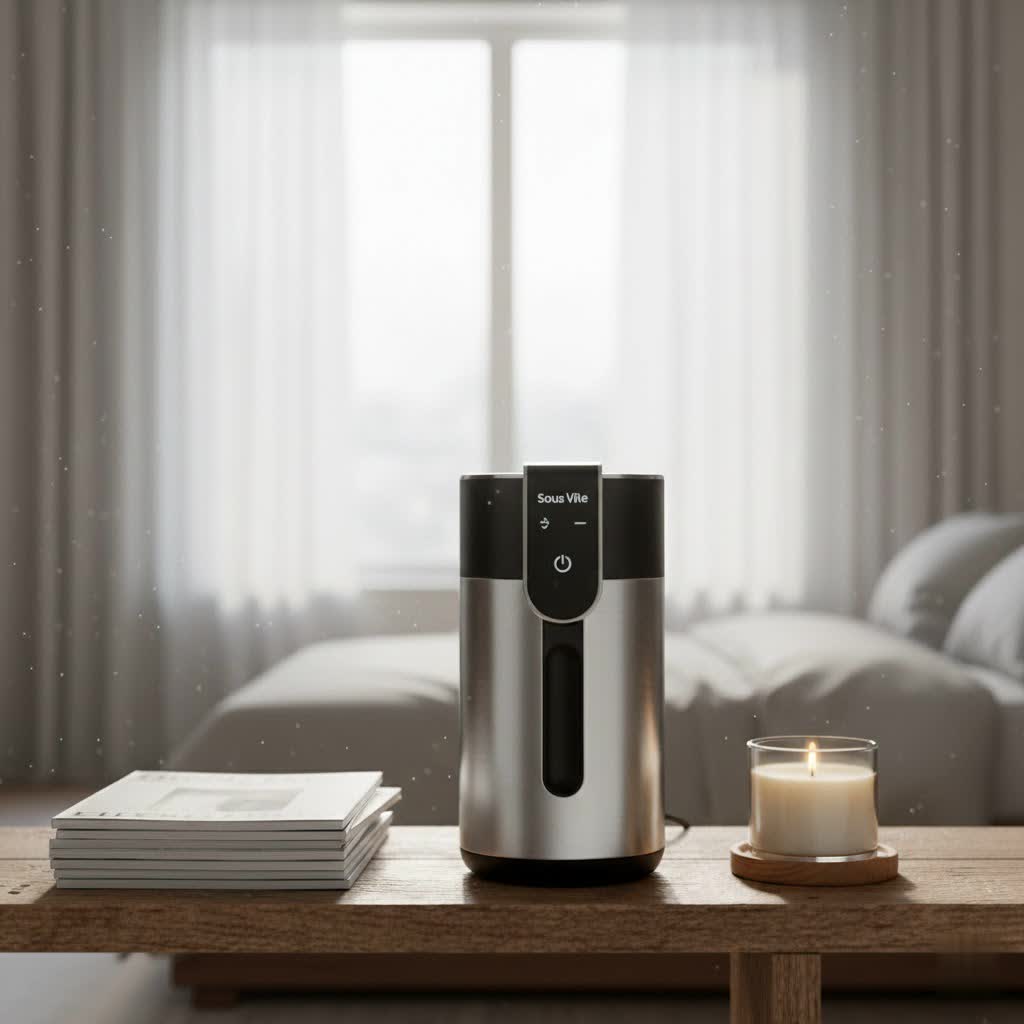
Sous vide, a French term meaning “under vacuum,” describes a method of cooking where food is sealed in a vacuum-safe bag and immersed in a water bath maintained at a precisely controlled temperature. Unlike traditional cooking where food is exposed to fluctuating heat, sous vide cooks food gently and evenly to its desired final temperature, ensuring perfect doneness throughout.
The origins of sous vide trace back to the mid-1970s, initially developed for industrial food preservation. French chef Georges Pralus is often credited with applying it to fine dining, discovering its ability to prevent foie gras from losing fat during cooking. Since then, it has evolved into a staple for chefs and home cooks alike, appreciated for its unparalleled precision and consistency.
Advantages and Disadvantages of Sous Vide
Advantages:
- Unmatched Precision and Consistency: Cook food to the exact doneness you desire, every single time, without the risk of overcooking the edges or undercooking the center.
- Enhanced Flavor and Juiciness: The sealed environment prevents moisture and aromatic compounds from escaping, resulting in incredibly flavorful and succulent food.
- Nutrient Preservation: Lower, more controlled temperatures help retain more vitamins and nutrients compared to high-heat methods.
- “Set It and Forget It” Convenience: Once the food is in the water bath, it can cook for extended periods without constant monitoring, freeing up your time.
- Food Safety: Precise temperature control ensures food reaches safe pasteurization levels, even at lower temperatures, without compromising quality.
Disadvantages:
- Specialized Equipment Required: An immersion circulator and vacuum sealer (or appropriate bags) are necessary investments.
- Longer Cooking Times: Sous vide is a gentle, slower process than traditional methods, requiring patience.
- Lack of Maillard Reaction: Cooked food often lacks the desirable browned crust, necessitating a quick finishing step like searing.
- Initial Learning Curve: Understanding temperature and time guidelines for various foods takes some practice.
|
Our Picks for the Best Sous Vide in 2026
As an Amazon Associate I earn from qualifying purchases.
|
||
| Num | Product | Action |
|---|---|---|
| 1 | Anova Culinary Sous Vide Precision Cooker 3.0 (WiFi), 1100 Watts |

|
| 2 | Sous Vide, Wancle Sous Vide Cooker 1100W IPX7 Waterproof Thermal Immersion Circulator With Reservation Function, Easy to store |
|
| 3 | Sous Vide Machine,1300 Watts, Immersion Circulators, Sous Vide Precision Cooker, Steak Cooker, Temperature and Time Digital Display Control, Ultra-Quiet,Fast-Heating,Easy to store,IPX7 Waterproof |
|
| 4 | Anova Culinary Sous Vide Precision Cooker Mini, 850 Watts, Black and Orange, App Enabled, 2024 Model |
|
| 5 | Greater Goods Digital Food Scale for Kitchen & Baking, 10kg/22lb High-Capacity Weight Scale with 1g Precision, Stainless Steel Platform, Hi-Def LCD, Ideal for Bread, Sourdough & Bulk Cooking |
|
| 6 | Sous Vide Machines, Sous Vide Cooker, 1000 Watts Immersion Circulators with Recipe, Accurate Temperature and Time Control |
|
| 7 | INKBIRD WIFI Sous Vide Cooker ISV-100W, 1000 Watts Sous Vide Machine Immersion Circulator with 14 Preset Recipes on APP & Calibration Function, Thermal Immersion, Fast-Heating with Timer |
|
| 8 | Anova Culinary Sous Vide Precision Cooker Nano 2.0 |
|
| 9 | Anova Culinary Sous Vide Precision Cooker Pro, 1200 Watts, Black and Silver |
|
| 10 | Greater Goods Kitchen Sous Vide Machine - Precision Cooker, Immersion Circulator, Brushless Motor, 1100 Watts (Onyx Black) |
|
Benefits of Sous Vide Cooking
Sous vide offers a suite of benefits that elevate the home cooking experience, moving beyond mere convenience to genuinely enhance the quality of your meals.
Ensuring Perfect and Consistent Doneness
The hallmark of sous vide is its ability to deliver perfectly cooked food from edge to edge. By maintaining a stable water bath temperature, the food cooks evenly throughout, eliminating the dreaded gray band in a steak or dry spots in chicken. Whether you aim for a rare, medium-rare, or well-done result, sous vide allows you to achieve that precise doneness consistently, giving you complete control over your culinary outcomes.
Maximizing Flavor and Nutrient Retention
Traditional cooking methods often lead to moisture loss and the escape of volatile flavors. Sous vide’s sealed environment prevents this, locking in the natural juices and flavors. This results in remarkably tender, succulent meats and vibrant, crisp-tender vegetables. Moreover, the lower cooking temperatures help preserve heat-sensitive nutrients that might otherwise degrade under high-heat exposure.
Saving Time and Effort with Passive Cooking
While sous vide typically involves longer cooking times, much of this is passive. Once your food is sealed and in the water bath, you can attend to other tasks without worrying about overcooking. This “set it and forget it” aspect makes it ideal for meal prepping or entertaining, as you can prepare components hours in advance and finish them just before serving.
Expanding Culinary Creativity
Sous vide opens up a world of culinary possibilities. It allows for the gentle infusion of flavors by adding herbs or spices directly into the bag, creating deeply aromatic dishes. You can achieve unique textures, like perfectly jammy eggs or pull-apart tender tough cuts of meat, that are challenging to replicate with conventional methods. This precision empowers you to experiment and innovate with confidence.
Essential Sous Vide Equipment
Embarking on your sous vide journey requires a few key pieces of equipment. Investing in quality tools will ensure safety, precision, and a rewarding cooking experience.
Immersion Circulator
The immersion circulator is the heart of your sous vide setup. It’s a device that heats and circulates water, maintaining a precise and consistent temperature throughout your water bath.
- Function: It clips to the side of a pot or container, heating the water to your desired temperature and circulating it to ensure uniform heat distribution, preventing cold spots.
- How to Choose: Look for models with reliable temperature accuracy (within 0.1°F/0.05°C), sufficient power (800-1200 watts for faster heating), and a user-friendly interface. Many modern circulators offer Wi-Fi or Bluetooth connectivity, allowing remote control via a smartphone app, which can be a game-changer for convenience.
Water Bath or Container
You’ll need a vessel to hold the water and your food.
- Choice: A large stockpot works well for smaller items. For larger cuts or multiple portions, consider a dedicated polycarbonate food container or an insulated cooler. Coolers are excellent for long cooks as they retain heat efficiently, reducing energy consumption and minimizing water evaporation.
- Size and Material: Ensure your container is large enough to allow ample water circulation around the food bags. Clear containers are beneficial for monitoring the cooking process.
Vacuum Bags and Vacuum Sealer
Proper sealing is crucial for efficient heat transfer and preventing water from entering the bag.
- Importance: Removing air from the bag ensures maximum contact between the food and the heated water, guaranteeing even cooking. It also locks in moisture and flavors.
- Types:
- Zip-top bags: For shorter cooks or lower temperatures (below 195°F/90°C), heavy-duty freezer bags can be used with the water displacement method. This involves slowly submerging an open bag of food into water, allowing the water pressure to force the air out before sealing.
- Clamp-style vacuum sealers: These are popular for home use and work by sucking air out of specially designed bags and then heat-sealing them. They are generally affordable but can struggle with liquids.
- Chamber vacuum sealers: These professional-grade machines create a vacuum in an entire chamber, allowing for sealing of liquids without issue and using more cost-effective bags. They are a significant investment for serious enthusiasts or professionals.
Supporting Accessories
- Racks and Weights: To prevent food bags from floating (due to trapped air or gas production during cooking), racks can keep them submerged, or you can use sous vide weights.
- Insulating Lids/Balls: For longer cooks, a lid for your water bath or a layer of insulating plastic balls can significantly reduce evaporation and energy loss.
Sous Vide Guide for Beginners
Getting started with sous vide is simpler than you might think. Follow these steps to prepare delicious, perfectly cooked meals.
1. Prepare Your Food
Start by seasoning your protein or vegetables. Remember that flavors can intensify in the sealed environment, so adjust seasoning accordingly. For meats, you can salt, pepper, and add herbs. Some recipes might call for brining or marinating.
- Special considerations: Avoid raw garlic in long cooks as it can produce an unpleasant metallic flavor; opt for garlic powder or cooked garlic instead. For very long cooks, some experts recommend using a neutral oil like grapeseed instead of extra virgin olive oil, which can sometimes develop off-flavors over extended periods at low temperatures. If using alcohol in a marinade, cook it off first to prevent bag puffing.
2. Set the Temperature and Time
This is where precision shines. Consult a reliable sous vide temperature chart (like the ones below) to determine the ideal temperature for your desired doneness and food type. For instance, a medium-rare steak typically requires around 130-132°F (54.4-55.6°C). The cooking time will depend on the thickness of your food and whether pasteurization is desired, not necessarily the internal temperature once reached.
3. Vacuum Seal and Submerge
Place your seasoned food into a vacuum-safe bag. Use your vacuum sealer to remove as much air as possible, then seal the bag. If using a zip-top bag, employ the water displacement method. Gently lower the sealed bag into the preheated water bath, ensuring it is fully submerged and there’s adequate space for water to circulate around it. Use weights or a rack if necessary to keep the bag from floating.
4. Cook and Monitor
Allow the food to cook for the recommended duration. While sous vide is largely hands-off, occasionally check the water level, especially during long cooks, and top it up with hot water if needed. Your immersion circulator will maintain the target temperature automatically.
5. Finish and Serve
Once the cooking time is complete, carefully remove the bag from the water bath. For most meats and some vegetables, a quick finishing step is essential to develop flavor and texture.
- Searing: Pat meats thoroughly dry with paper towels, then sear quickly in a very hot pan (cast iron works great) with a high-smoke-point oil, or use a blowtorch. Aim for 30-60 seconds per side to create a beautiful crust without overcooking the interior.
- Other Finishes: Vegetables might benefit from a quick sauté or broil. Fish and eggs can often be served directly from the bath.
Comparing Popular Sous Vide Machines
Choosing the right sous vide machine can significantly impact your cooking experience. While the core function remains the same – precise temperature control – variations in design, features, and power distinguish different models.
Most sous vide machines fall into two main categories: immersion circulators and all-in-one water baths. Immersion circulators are more common, compact devices that clip onto any suitable pot. All-in-one units integrate the heating element and water bath into a single appliance, often offering better insulation and evaporation control.
When comparing machines, consider these key features:
- Price: Entry-level immersion circulators are quite affordable, making sous vide accessible. Professional-grade models or all-in-one units come with a higher price tag.
- Power (Wattage): Higher wattage (e.g., 1000-1200W) heats water faster and maintains temperature more efficiently in larger water baths or when cooking a lot of food. For casual home use, 800W is generally sufficient.
- Temperature Precision and Stability: The best machines maintain water temperature within a fraction of a degree, crucial for consistent results. Most reputable brands offer excellent stability thanks to PID controllers.
- Connectivity (Wi-Fi/Bluetooth): Many modern circulators connect to smartphone apps, allowing you to control and monitor your cook remotely, access recipes, and receive notifications.
- Capacity: Ensure the circulator can handle the volume of water you typically use. Some high-power units are designed for larger baths, suitable for big family meals or entertaining.
- Noise Level: While all circulators make some noise, some are quieter than others, a factor to consider if cooking in an open-plan kitchen.
- User Interface: Look for clear displays, intuitive controls, and easy-to-set temperatures and timers.
Leading brands like Anova and ChefSteps (with their Joule circulator) dominate the home market, known for their precision and smart features. PolyScience and Breville offer robust, often more powerful options, favored by serious home cooks and professionals.
Tips and Tricks for Successful Sous Vide Cooking
Even with the right equipment, a few expert tips can enhance your sous vide results and troubleshoot common issues.
Mastering Temperature and Time for Various Foods
The “target temperature” is king in sous vide, determining your food’s final doneness.
- Meat:
- Beef/Lamb: For medium-rare, aim for 130-134°F (54.4-56.7°C). Medium is typically 135-139°F (57.2-59.4°C). Tougher cuts benefit from longer cooking times (e.g., 24-48 hours for brisket at 131°F/55°C) to tenderize collagen without overcooking.
- Pork: For juicy pork, 135-140°F (57.2-60°C) is ideal, offering a slight pink hue. For traditional “done” pork, 145°F (62.8°C) is common.
- Poultry: Chicken breast is often cooked at 145-150°F (62.8-65.6°C) for incredibly tender and juicy results. Dark meat (thighs) benefits from slightly higher temperatures like 148-165°F (64.4-73.9°C) for tenderness.
- Fish: Delicate fish benefits from lower temperatures, often 104-122°F (40-50°C) for a moist, flaky texture. Salmon at 122°F (50°C) is a popular choice.
- Eggs: Sous vide is fantastic for eggs, allowing precise control over yolk and white consistency. A perfect soft-boiled egg is often achieved at 146°F (63°C) for 45-60 minutes.
- Vegetables: Vegetables generally require higher temperatures, around 180-185°F (82.2-85°C), to properly soften and become tender-crisp.
Food Safety Note: For meats, cooking at 130°F (54.4°C) or higher for a sufficient duration ensures pasteurization. It’s crucial to refer to reliable charts for minimum safe cooking times, especially for poultry and pork, or when serving vulnerable populations.
Handling Common Sous Vide Issues
- Floating Bags: Trapped air or gas production can make bags float, leading to uneven cooking. Use racks, weights, or a heavy ceramic plate to keep them submerged.
- Cloudy Water: While generally harmless, it can indicate a small leak in the bag. Ensure proper sealing.
- Mushy Texture: Over-tenderizing, especially for fish or already tender cuts, can result from excessively long cooking times or too high a temperature. Adhere to recommended times.
Equipment Maintenance and Cleaning
Regular cleaning extends the life of your circulator. Follow the manufacturer’s instructions for descaling (removing mineral buildup from hard water) using vinegar or citric acid. Store your machine properly, ideally in its original packaging or a designated storage spot, to protect it.
Simple and Delicious Sous Vide Recipes
Start with simple recipes to build confidence. A classic example is a medium-rare steak: season, seal, cook at 131°F (55°C) for 2 hours (for 1.5″ thickness), then sear. Experiment with chicken breasts, salmon fillets, or even perfectly soft-boiled eggs to quickly experience the benefits of precision cooking.
Sous Vide Buying Guide
Investing in sous vide equipment can transform your cooking. To make the best choice, consider your needs and evaluate key features.
1. Determine Your Usage Needs
- Beginner vs. Enthusiast vs. Professional: Are you looking for a basic model to try out the technique, or do you need a robust, feature-rich device for frequent use or larger quantities?
- Budget: Prices vary widely, so set a realistic budget.
- Frequency of Use: If you plan to use it daily, durability and ease of cleaning become more important.
- Types of Food: If you mostly cook single steaks, a compact circulator is fine. For large roasts or meal prepping for a family, a more powerful unit and a larger water bath are beneficial.
2. Identify Essential Features
- Temperature Accuracy: This is non-negotiable. Look for reviews confirming stability within +/- 0.1°F (0.05°C).
- Power (Wattage): Higher wattage means faster heat-up times and better performance in larger water baths. 1000W+ is a good benchmark.
- Circulation Capacity: How many liters of water can it effectively circulate? Ensure it matches your planned container size.
- Connectivity: Wi-Fi/Bluetooth and app control offer convenience, allowing you to start, stop, and monitor cooks from your phone.
- Safety Features: Auto-shutoff for low water levels is a crucial safety mechanism.
- Durability and Build Quality: Look for stainless steel components and robust construction for longevity.
- Ease of Cleaning: Removable parts and simple designs make cleaning easier.
3. Compare Brands and Models
Research reputable brands like Anova, ChefSteps (Joule), and Breville/PolyScience. Read product specifications and compare features side-by-side. While specific pricing can fluctuate, focus on the value offered for the features you prioritize.
4. Read User Reviews
Real-world feedback from other users is invaluable. Check for comments on reliability, customer service, noise levels, and overall satisfaction. Pay attention to reviews that mirror your intended use case.
5. Purchase from Reputable Retailers
Buy your equipment from trusted stores or official brand websites to ensure you receive genuine products, proper warranties, and reliable customer support.
Delicious Sous Vide Dishes
The beauty of sous vide lies in its versatility. It can transform everyday ingredients into extraordinary meals. Here are some popular and incredibly delicious dishes you can prepare with precision using sous vide:
- Sous Vide Beef Steak: The quintessential sous vide dish. Achieve a perfect edge-to-edge medium-rare (e.g., 131°F/55°C for 2 hours) every time, followed by a quick, high-heat sear for an irresistible crust.
- Sous Vide Chicken Breast: Say goodbye to dry chicken. Cooking chicken breast at 145°F (63°C) for 1-2 hours yields incredibly juicy, tender meat that can be finished in a pan or on the grill.
- Sous Vide Salmon: Preserve the delicate texture and flavor of salmon by cooking it at a precise 122°F (50°C) for 30-45 minutes. It results in a moist, flaky fillet that melts in your mouth.
- Sous Vide Pork Tenderloin: This lean cut can easily dry out traditionally. Sous vide ensures it remains succulent and tender, often cooked around 135-140°F (57.2-60°C) for 1-4 hours.
- Sous Vide Eggs: From perfectly jammy yolks for ramen (145°F/63°C for 45 minutes) to fluffy soft-boiled eggs, sous vide offers unparalleled control over egg texture.
- Sous Vide Vegetables: Enhance the natural sweetness and maintain a perfect al dente texture for vegetables like carrots, asparagus, or broccoli by cooking them around 185°F (85°C).
Conclusion
Sous vide cooking is a powerful technique that brings restaurant-quality precision and consistency to your kitchen. By understanding and mastering the concept of “target temperature,” you unlock a world where perfectly cooked food is not a lucky accident, but a guaranteed outcome. From the foundational knowledge of how sous vide works to selecting the right equipment and applying expert tips, you now have the tools to achieve culinary excellence. Embrace the journey of precision cooking, and discover the joy of consistently delivering dishes that are perfectly cooked, incredibly flavorful, and beautifully tender every single time. What culinary masterpiece will you create with sous vide next?
Frequently Asked Questions
What is the lowest safe temperature for sous vide beef?
The lowest safe temperature generally recommended for sous vide beef, especially for medium-rare doneness, is 129°F (54°C). At this temperature, given sufficient cooking time, harmful bacteria like Salmonella and E. coli are effectively eliminated, ensuring both safety and the desired texture.
Is it safe to sous vide under 130°F (54.4°C)?
Cooking sous vide below 130°F (54.4°C) can be risky for certain foods because it might not be hot enough to rapidly kill bacteria, including pathogens such as Salmonella and E. coli, especially for extended periods. While some very rare preparations exist, it’s crucial to consult comprehensive food safety guidelines and understand the associated risks for specific food types and thicknesses.
What happens if I cook at the wrong temperature?
Cooking food at the wrong temperature in a sous vide bath can lead to undesirable results. If the temperature is too low, the food may not be safe to eat as pathogens might not be adequately reduced. Conversely, if the temperature is too high for the desired doneness, the food can become overcooked, leading to a loss of moisture, flavor, and optimal texture.
What is the usual temperature for sous vide cooking?
The typical temperature range for sous vide cooking varies significantly depending on the food being prepared and the desired outcome. For meats, temperatures commonly range from 129°F (54°C) for medium-rare to around 145°F (63°C) for medium-well. Vegetables generally require higher temperatures, often around 180-185°F (82-85°C), to achieve a tender consistency.
How long can food stay in a sous vide bath without overcooking?
One of the key advantages of sous vide is that food cannot overcook past the set temperature of the water bath. However, while it won’t get “more done,” leaving food in for excessively long periods (e.g., many hours beyond recommended) can sometimes affect its texture, potentially making it mushy due to prolonged protein breakdown. For tender cuts, a few extra hours are usually fine, but very long cooks (24+ hours) are typically reserved for tougher cuts.
