Step into a world where perfectly cooked meals are no longer a culinary mystery but a consistent reality. For over a decade, sous vide has revolutionized kitchens from home enthusiasts to Michelin-starred restaurants, transforming the way we approach food preparation. At the heart of this transformation lies the sous vide precision cooker, a device that promises and delivers unparalleled control over your cooking.
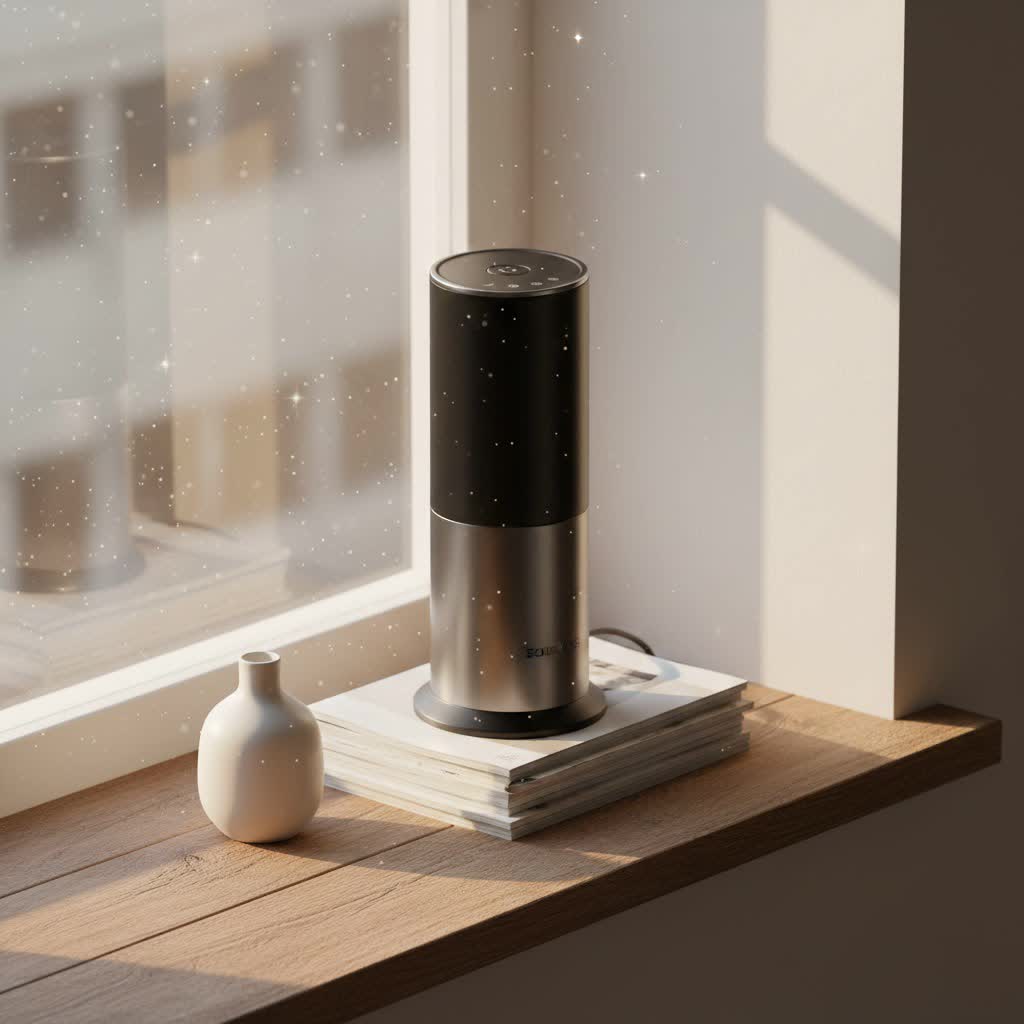
This comprehensive guide will demystify the sous vide precision cooker, exploring its mechanics, benefits, essential companions, and how to choose the ideal model for your kitchen. Whether you’re a curious beginner or looking to upgrade your setup, prepare to unlock the full potential of precision cooking.
What is a Sous Vide Precision Cooker?
A sous vide precision cooker, often called an immersion circulator, is the core device for sous vide cooking. This French term, meaning “under vacuum,” describes a method where food, typically sealed in a vacuum-safe bag, is cooked in a precisely temperature-controlled water bath. The precision cooker maintains this exact temperature throughout the cooking process and circulates the water to ensure even heat distribution.
Historically, sous vide was a technique reserved for professional chefs using specialized, often laboratory-grade, equipment. However, with the advent of compact and affordable precision cookers, this sophisticated cooking method has become accessible to home cooks, sitting comfortably alongside blenders and slow cookers in modern kitchens.
Advantages of using a Sous Vide Precision Cooker:
- Unmatched Precision: Delivers exact and consistent doneness from edge to edge, eliminating guesswork.
- Flavor and Nutrient Retention: Food cooks in its own juices within a sealed bag, concentrating flavors and preserving nutrients that might otherwise escape.
- Hands-Off Cooking: Once set, the cooker manages the temperature, allowing you to focus on other tasks or enjoy your guests.
- Creative Freedom: Opens up possibilities for unique textures and flavors, from perfectly poached eggs to tender, slow-cooked meats.
- Reduced Waste: Nearly impossible to overcook, reducing the chances of ruined meals.
Potential Disadvantages:
- Requires Forethought: Longer cooking times mean you often need to plan meals in advance.
- Additional Equipment: Requires vacuum-sealable bags and a cooking vessel (pot, tub).
- Initial Learning Curve: While easy to use, understanding ideal temperatures and times for different foods takes some experience.
Benefits of Cooking with a Sous Vide Precision Cooker
The appeal of sous vide lies in its ability to transform everyday cooking into a precise, consistent, and often effortless culinary art. Here are the key benefits:
Ensures Perfect and Consistent Doneness
|
Our Picks for the Best Sous Vide in 2026
As an Amazon Associate I earn from qualifying purchases.
|
||
| Num | Product | Action |
|---|---|---|
| 1 | Anova Culinary Sous Vide Precision Cooker 3.0 (WiFi), 1100 Watts |

|
| 2 | Greater Goods Digital Food Scale for Kitchen & Baking, 10kg/22lb High-Capacity Weight Scale with 1g Precision, Stainless Steel Platform, Hi-Def LCD, Ideal for Bread, Sourdough & Bulk Cooking |
|
| 3 | Greater Goods Kitchen Sous Vide Machine - Precision Cooker, Immersion Circulator, Brushless Motor, 1100 Watts (Onyx Black) |
|
| 4 | Anova Culinary Sous Vide Precision Cooker Pro, 1200 Watts, Black and Silver |
|
| 5 | Anova Culinary Sous Vide Precision Cooker Nano 2.0 |
|
| 6 | Sous Vide Machines, Sous Vide Cooker, 1000 Watts Immersion Circulators with Recipe, Accurate Temperature and Time Control |
|
| 7 | Anova Culinary Sous Vide Precision Cooker Mini, 850 Watts, Black and Orange, App Enabled, 2024 Model |
|
| 8 | INKBIRD WIFI Sous Vide Cooker ISV-100W, 1000 Watts Sous Vide Machine Immersion Circulator with 14 Preset Recipes on APP & Calibration Function, Thermal Immersion, Fast-Heating with Timer |
|
| 9 | Sous Vide, Wancle Sous Vide Cooker 1100W IPX7 Waterproof Thermal Immersion Circulator With Reservation Function, Easy to store |
|
| 10 | Sous Vide Machine,1300 Watts, Immersion Circulators, Sous Vide Precision Cooker, Steak Cooker, Temperature and Time Digital Display Control, Ultra-Quiet,Fast-Heating,Easy to store,IPX7 Waterproof |
|
The most celebrated advantage of a sous vide precision cooker is its ability to achieve uniform doneness. Unlike traditional methods where heat fluctuates and gradients exist, sous vide cooks food to an exact internal temperature from the very center to the edge. This means no more overcooked edges and undercooked centers, especially for delicate proteins like steak, fish, and chicken. Chef Richard Blais notes that for professional chefs, even half a degree Celsius can make a significant difference, and for home cooks, it guarantees a perfectly cooked chicken breast every time.
Preserves Maximum Flavor and Nutrients
When food is sealed in a bag and cooked in a water bath, its natural juices, marinades, and seasonings are locked in. This gentle, consistent heating process prevents moisture and fat loss that often occurs with high-heat cooking. The result is intensely flavorful, moist, and tender food that retains more of its inherent nutrients. Imagine a steak infused with herbs and garlic, tasting richer than ever before.
Saves Time and Effort (Hands-Off Cooking)
While sous vide cooking often involves longer overall times, the actual “active” cooking time is dramatically reduced. Once you’ve sealed your food and set the precision cooker, it’s largely hands-off. You can prep meals in advance, set them to cook, and walk away, knowing your food will be held at the perfect temperature until you’re ready to serve. This convenience allows you to reclaim time in the kitchen, making it ideal for entertaining or busy weeknights. As Chef Blais explains, “You do a lot of work beforehand, and the convenience is that I cooked my steaks before the party started, so I can have a glass of wine with my guests.”
Expands Culinary Creativity
Sous vide allows you to experiment with textures and flavors impossible to achieve through conventional cooking. Beyond perfectly cooked meats and vegetables, precision cookers are used for tasks like infusing oils, making custards and yogurts in jars, rendering fat, and even proofing bread dough. It empowers cooks to explore advanced techniques with simplified execution.
Essential Equipment for Sous Vide Cooking
Beyond the precision cooker itself, a few other items are necessary to embark on your sous vide journey:
Immersion Circulator (The Precision Cooker)
This is the heart of your sous vide setup. It clips to the side of a cooking vessel, heats the water to a precise temperature, and circulates it for even distribution.
- Function: Heats and circulates water to maintain a consistent temperature.
- How to Choose:
- Wattage: Higher wattage (e.g., 1000-1200W) means faster heating and better temperature maintenance, especially for larger water volumes. Some professional models go up to 1450W.
- Temperature Accuracy: Look for models with an accuracy of +/- 0.1 to 0.2 degrees Fahrenheit for optimal results.
- Connectivity: Many models offer Wi-Fi or Bluetooth connectivity, allowing control via smartphone apps, which often include recipes and cooking guides. Some units, like the Breville Joule Turbo, are app-only, while others, like the Anova Precision Cooker, offer both app and onboard controls.
- Design & Size: Consider how compact it is for storage and if the clamp is adjustable to fit various pots.
- Noise Level: Some circulators can be noisy during operation.
Water Bath Container (Pot or Tub)
You need a container to hold the water and your food.
- Size: Choose a size appropriate for the amount of food you typically cook. For larger batches or longer cooks where evaporation might be a concern, a bigger container is better. Some devices, like the Breville HydroPro Sous Vide, can handle up to 45 liters.
- Material: Heat-safe materials like large stock pots, food-grade plastic tubs (e.g., polycarbonate), or even coolers work well. Clear containers are helpful for monitoring.
- Lid: A lid (or even plastic wrap) helps prevent water evaporation during long cooks and improves heating efficiency.
Vacuum Sealer and Vacuum-Sealable Bags
While not strictly required for all sous vide, a vacuum sealer greatly enhances the experience.
- Importance: Removing air from the bag ensures maximum contact between the food and the water, leading to efficient and even cooking. It also prevents bags from floating.
- Types of Bags:
- Vacuum Sealer Bags: Designed for use with a vacuum sealer, offering the most secure and air-free seal.
- Zip-Top Freezer Bags: Can be used for “water displacement” method (submerging the bag almost entirely to push out air before sealing), but may not be as reliable for very long cooks. Ensure they are food-safe and heat-resistant.
Supporting Accessories
These can enhance your sous vide experience:
- Racks or Weights: Prevent bags from floating, ensuring full submersion for even cooking.
- Insulated Sleeves or Lids: Improve thermal efficiency and reduce evaporation for extended cooks.
- Heat-Safe Mat: Protects your countertop from the heated water bath.
Getting Started with Sous Vide for Beginners
Embarking on your first sous vide cook is simpler than you might think. Follow these steps for a successful experience:
-
Prepare Your Food:
- Searing/Browning (Optional): For meats, a quick pre-sear can add flavor. Alternatively, you can sear after cooking.
- Seasoning: Season your food generously with salt, pepper, herbs, and spices before sealing. Marinades also work wonderfully.
- Portioning: Cut food into appropriate portions for even cooking.
-
Set Up Your Water Bath:
- Attach Precision Cooker: Clip your sous vide precision cooker to the side of your chosen cooking vessel (pot, tub, cooler).
- Fill with Water: Fill the container with water, ensuring it’s between the minimum and maximum fill lines of your immersion circulator. Leave enough room so the water won’t overflow when food is added.
- Set Temperature and Time: Refer to reliable sous vide guides or recipes for recommended temperatures and times for your specific food. For example, a medium-rare steak might be 130°F (54.5°C) for 1-2 hours.
-
Seal and Submerge Your Food:
- Vacuum Seal: Place your seasoned food in a vacuum-sealable bag and use your vacuum sealer to remove all air and create a tight seal. If using a zip-top bag, use the water displacement method: slowly submerge the bag into the water bath, letting the water pressure push out the air before sealing the zipper almost completely.
- Submerge: Once the water bath reaches your target temperature, carefully place the sealed food bag into the water. Ensure the bag is fully submerged. Use a rack or weight if needed to keep it from floating.
-
Monitor and Finish:
- Cook: Let the precision cooker do its work. Most modern cookers have timers and alarms.
- Check Doneness: For most foods, especially meats, doneness is determined by temperature, while tenderness is determined by time. Once the time is up, your food will be perfectly cooked to your desired doneness.
- Finishing (Optional but Recommended): For foods like steaks, chicken, or fish, a quick sear in a hot pan, grill, or with a blowtorch can create a delicious crust and enhance texture. This step, called “reverse searing,” takes only a minute or two per side.
Popular Sous Vide Precision Cookers: A Comparison
The market offers a range of sous vide precision cookers, each with unique features catering to different needs and budgets. Here’s a comparison of some popular options:
| Feature/Model | Anova Culinary Precision Cooker | Breville Joule Turbo Sous Vide | Instant Accu Slim Sous Vide | Anova Culinary Precision Cooker Nano | Breville HydroPro Sous Vide | Inkbird Sous Vide Precision Cooker |
|---|---|---|---|---|---|---|
| Power (Wattage) | 1,000-1200W | 1,100W | 800W | 750W | 1,450W | 1,000W |
| Max Water Temp | 197°F (91.7°C) | 197°F (91.7°C) | 203°F (95°C) | 197°F (91.7°C) | 194°F (90°C) | 210°F (99°C) |
| Connectivity | Wi-Fi/Bluetooth/Onboard | App-only (Bluetooth/Wi-Fi) | None | Bluetooth/Onboard | None | Wi-Fi/App/Onboard |
| Key Features | Adjustable clamp, user-friendly | Compact, fast heating, Turbo mode | Budget-friendly, compact | Compact, precise | Commercial-grade, Sous Vide Toolbox | Affordable, easy to use |
| Pros | Reliable, accurate, good app | Very fast, sleek, powerful | Accurate for price, simple | Small, accurate | Extremely powerful, accurate | Good performance for price |
| Cons | Can be noisy, Wi-Fi can be spotty | Expensive, no manual controls | Slower heating, no app | Fixed clamp, no Wi-Fi | Expensive, no app control | Tedious setup, slower to temp |
| Ideal User | Home cooks, beginners & advanced | Tech-savvy, speed-focused | Budget-conscious beginners | Space-conscious, light users | Serious enthusiasts, pro use | Beginners, occasional users |
Note: Specifications and pricing are subject to change. Always check the latest information before purchasing.
Tips and Tricks for Sous Vide Success
Mastering sous vide takes a little practice, but these tips will help you achieve outstanding results consistently.
- Choose the Right Temperature and Time: This is crucial. Use reliable charts and recipes as a starting point. Remember, temperature dictates doneness, while time impacts tenderness, especially for tougher cuts of meat. A slightly longer cook time won’t usually overcook your food but can make it incredibly tender.
- Prevent Floating Bags: Air in the bag or light ingredients can cause bags to float, leading to uneven cooking. Use a rack, a heavy plate, or even binder clips to attach bags to the side of the container to keep them submerged.
- Minimize Evaporation: For long cooks (several hours or days), cover your water bath with plastic wrap, foil, or a lid. Sous vide specific lids or thermal balls can also help retain heat and reduce water loss. Some machines have low-water alarms that will shut off the unit if the level drops too much.
- Pre-Searing vs. Post-Searing: While many prefer to sear after sous vide cooking for a beautiful crust, some chefs pre-sear for deeper flavor development, especially for larger roasts, before the water bath. Experiment to find your preference.
- Dealing with Leaks: If a bag leaks during cooking, the water can become contaminated. It’s best to discard the food. Double-check your seals and use high-quality bags to prevent this.
- Cleaning and Maintenance: Most immersion circulators have removable parts (like the stainless steel skirt) that make cleaning easy. Regular cleaning prevents mineral buildup, especially in hard water areas. Follow manufacturer instructions for descaling.
- Embrace the Chill Bath: For meal prepping or storing cooked food, rapidly cool your sous vide cooked items in an ice bath before refrigerating or freezing. This quickly brings the food through the “danger zone” for bacterial growth.
How to Buy the Best Sous Vide Precision Cooker (Buying Guide)
Choosing the right sous vide precision cooker can seem daunting with the array of options available. Here’s a structured approach to help you decide:
-
Assess Your Usage Needs:
- Frequency: How often do you plan to use it? Daily, weekly, or for special occasions?
- Batch Size: Do you typically cook for one or two, or large family meals/entertaining? This impacts the necessary wattage and water bath capacity.
- Experience Level: Are you a beginner needing guided recipes and simple controls, or an experienced cook who values precision above all else?
-
Evaluate Essential Features:
- Wattage: Aim for at least 800-1000 watts for efficient heating, especially if you plan to cook larger volumes of water.
- Temperature Accuracy: Look for models that boast high accuracy (e.g., +/- 0.1°F). This is the core function.
- Connectivity (App Control): Decide if Wi-Fi/Bluetooth control is a must-have. Apps often provide recipes, cooking guides, and remote monitoring. Be aware that some (like older Joule models) are app-only.
- Physical Controls: Do you prefer onboard buttons and a display, or are you comfortable relying solely on a smartphone app?
- Clamp Design: An adjustable clamp offers more flexibility to fit various pots and containers securely.
- Size and Storage: Consider your kitchen space. Compact models like the Anova Nano are ideal for limited storage.
-
Compare Brands and Models:
- Anova Culinary: A popular choice known for user-friendly interfaces and robust app support. Offers models from budget-friendly Nano to powerful Pro.
- Breville Joule: Known for its sleek, compact design, rapid heating, and excellent app experience. Some models are app-exclusive.
- Instant Accu Slim: A budget-friendly option that delivers solid performance for its price, often without advanced connectivity.
- Inkbird: Another strong contender in the affordable segment, offering a good balance of features and price.
- PolyScience/All-Clad (Pro-level): High-end, commercial-grade options for those seeking ultimate precision and durability, often at a higher price point and without smart features.
-
Read Reviews and Watch Demos:
- Customer reviews provide real-world insights into a product’s performance, ease of use, and potential quirks. Pay attention to comments regarding temperature stability, noise, and app reliability.
- Video demonstrations can illustrate how a particular model attaches, operates, and how intuitive its controls are.
-
Consider Your Budget:
- Sous vide precision cookers range from under $100 to several hundred dollars. Determine how much you’re willing to invest, balancing features with cost. Often, a mid-range model offers the best value for home cooks.
Delicious Dishes to Cook with a Sous Vide Precision Cooker
The possibilities with a sous vide precision cooker are vast, allowing you to achieve restaurant-quality results at home. Here are some popular and incredibly satisfying dishes:
- Sous Vide Steak (Beef Tenderloin, Ribeye, Sirloin): Cook to your perfect desired doneness (e.g., 129°F/54°C for medium-rare) and then finish with a quick, high-heat sear for an incredible crust.
- Sous Vide Chicken Breast: Achieve incredibly juicy, tender chicken that’s never dry (e.g., 149°F/65°C for 1.5 hours). Perfect for salads, sandwiches, or main dishes.
- Sous Vide Salmon/Fish: Cook delicate fish to flaky perfection without overcooking (e.g., 125°F/52°C for 45 minutes), preserving its natural moisture and flavor.
- Sous Vide Eggs: From perfectly jammy soft-boiled (145°F/63°C for 45 minutes) to custard-like poached, sous vide offers unparalleled consistency for eggs.
- Sous Vide Vegetables (Carrots, Asparagus, Potatoes): Cook vegetables to a tender-crisp texture, often with butter and herbs in the bag, enhancing their natural sweetness and retaining vibrant color.
- Sous Vide Pork Tenderloin: Ensures a uniformly cooked, moist, and flavorful pork tenderloin, free from dryness.
- Sous Vide Ribs: Tender, fall-off-the-bone ribs can be achieved with long, low-temperature cooks (e.g., 155°F/68°C for 24-36 hours) before a final grill or oven finish.
- Sous Vide Desserts: Crème brûlée, custards, and even infused oils can be made with precision, resulting in silky smooth textures.
> “Sous vide isn’t just about cooking; it’s about controlling the outcome. It’s taking the guesswork out of the kitchen and consistently delivering perfection.” – Chef John Doe, Culinary Innovator and Sous Vide Expert
Conclusion
The sous vide precision cooker has undeniably transformed the landscape of home cooking, offering a level of control and consistency that was once the exclusive domain of professional kitchens. By mastering this simple yet profound technique, you can elevate everyday meals into extraordinary culinary experiences, ensuring perfect doneness, rich flavors, and a remarkably stress-free cooking process.
Ready to achieve consistently perfect results and unleash your culinary creativity? Embracing a sous vide precision cooker is your next step. What delicious dish will you create first with the power of precision?
Frequently Asked Questions
Is a sous vide precision cooker worth it for a home cook?
Yes, a sous vide precision cooker is absolutely worth it for a home cook who values consistent results, perfectly cooked proteins, and the convenience of hands-off cooking. It eliminates the guesswork, reduces the chance of overcooking expensive ingredients, and opens up new culinary possibilities.
What’s the difference between a sous vide machine and an immersion circulator?
The terms “sous vide machine” and “immersion circulator” are often used interchangeably, but “immersion circulator” specifically refers to the stick-style device that heats and circulates water in any external container. A “sous vide machine” can also refer to an all-in-one water oven that includes a built-in container. Most precision cookers on the market today are immersion circulators.
Can I use regular Ziploc bags for sous vide?
While dedicated vacuum sealer bags are ideal for long cooks and optimal results, you can use high-quality, food-safe zip-top freezer bags for sous vide cooking. The key is to use the “water displacement method” to remove as much air as possible before sealing, preventing the bag from floating and ensuring efficient heat transfer.
How long does it take to cook with a sous vide precision cooker?
Sous vide cooking times can vary significantly depending on the food type and desired tenderness. While some items like fish or vegetables might cook in under an hour, thicker cuts of meat or tougher ingredients can take several hours, or even days, to achieve ultimate tenderness. Remember, temperature controls doneness, and time controls tenderness.
Do I need to sear food after sous vide cooking?
For most meats, especially steaks, chicken, or pork, a post-sous vide sear is highly recommended. The sous vide process cooks the food perfectly internally, but a quick sear in a very hot pan, on a grill, or with a blowtorch creates a desirable crust, adds flavor, and improves overall texture.
